
Vulnerability to scams is not stupidity. It is the result of specific circumstances, reduced scepticism, language barriers, social isolation, or unfamiliarity with a system, being specifically identified and deliberately exploited. Scammers targeting vulnerable groups build their scripts directly around those specific circumstances.
Scammers targeting vulnerable groups do not target people at random. They research and select targets based on circumstances that make a particular approach more likely to succeed, then tailor the entire script around that specific vulnerability.
The FBI’s IC3 2025 Annual Report found people over 60 lost $7.7 billion to fraud, a 60% increase over 2024, with investment fraud complaints among seniors rising 79% year-over-year. Phishing complaints from seniors nearly doubled, from roughly 23,000 to 48,000 complaints in a single year.
This post explains how seniors, children, immigrants, and other groups facing compounded vulnerability are specifically targeted, and what actually helps someone you care about who is at elevated risk. This is part of the wider picture covered in the full guide to high-risk threats.

How Are Seniors Targeted With High-Trust Authority Scams?
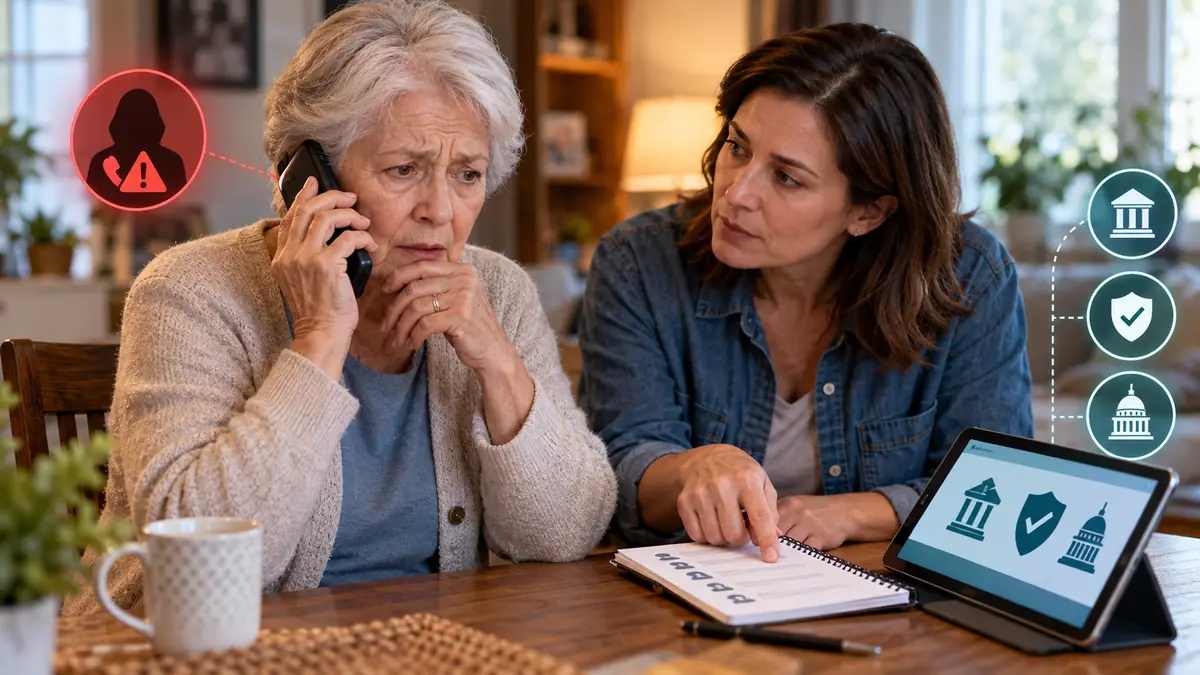
Older adults grew up in an era where institutional authority, a bank, the police, a government office, was rarely questioned over the phone, which is precisely the trust digital arrest scams and fake bank call scams are built to exploit.
Cognitive changes associated with ageing can also reduce the speed of sceptical evaluation under pressure, though this is frequently overstated. The larger factor documented across cases is social isolation, since a senior with fewer people to consult before acting is significantly easier to keep on a call long enough to complete a scam.
Investment fraud complaints among seniors specifically rose 79% year-over-year according to the FBI IC3 2025 Annual Report, reflecting scripts increasingly tailored toward retirement savings and fixed incomes rather than generic financial appeals.
Widowhood and recent bereavement compound this risk further, since scammers specifically monitor obituaries and estate notices for exactly this reason, timing contact to coincide with a period when a person is managing unfamiliar financial responsibility for the first time, often alone, and without the spouse who previously handled these decisions jointly.
Retired professionals from technical or authority-adjacent careers, former police officers, judges, and civil servants, appear disproportionately in documented digital arrest cases in India, since a scammer impersonating law enforcement can rely on that background to make the scenario feel procedurally familiar rather than obviously implausible, even to someone who spent a career working alongside genuine institutions.
Why Do Children Face Unique Risks Online?
Children have not yet developed the sceptical filters adults build through years of exposure to scams, and they frequently have significant online exposure, gaming platforms, social media, messaging apps, without the same level of adult supervision applied to other areas of their lives.
This combination, less scepticism paired with more unsupervised exposure, is precisely what grooming and gaming-platform exploitation are built to exploit. This connects directly to how online grooming actually works, which covers the specific relationship-building pattern in more depth.
Children are also less likely to recognise that a friendly, generous stranger online might have a specific goal, since the concept of manufactured trust is not yet part of their working understanding of how people interact.
Peer influence adds a further layer specific to children and teenagers, where a scam or risky trend spreading through a school or friend group carries social credibility an adult stranger’s message never could, since the recommendation arrives from someone the child already trusts rather than from an unfamiliar source they might otherwise question.

How Do Immigrants Face Compounded Vulnerabilities?
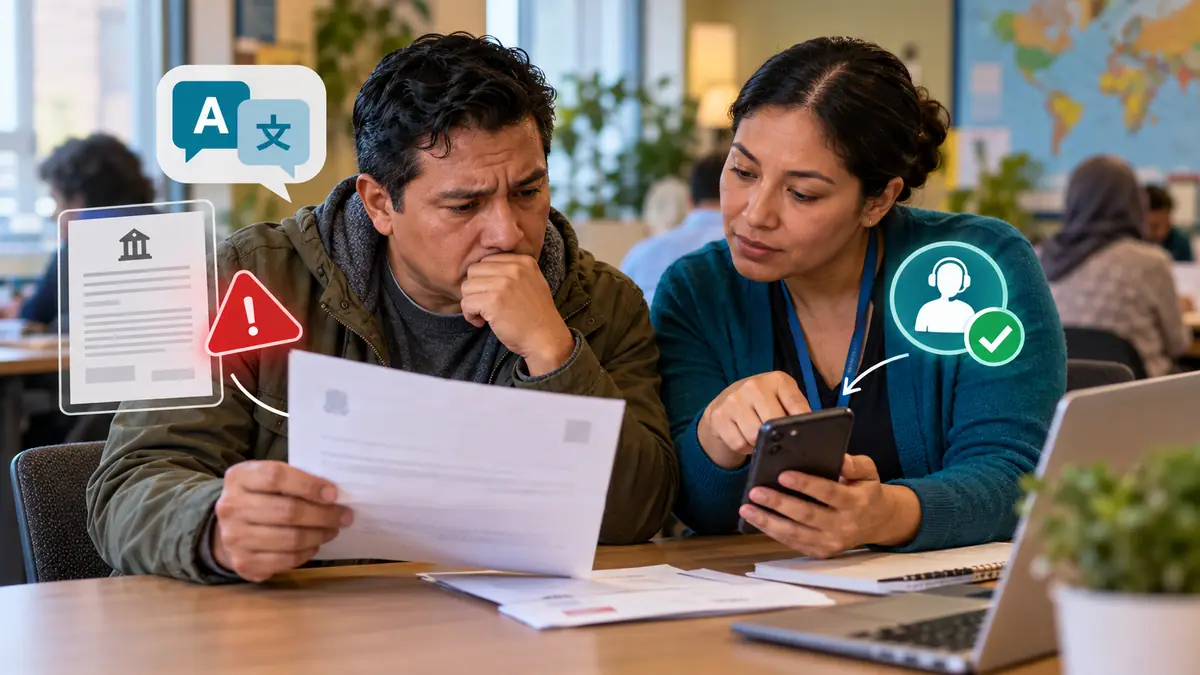
Language barriers reduce a person’s ability to read the small inconsistencies that often reveal a scam, an odd phrase, a mistranslated legal term, that a native speaker would catch instinctively. Scammers targeting immigrant communities frequently exploit this directly.
Uncertainty about legal status adds a second, more severe layer, since a scammer posing as an immigration official can threaten deportation or legal consequences that feel far more plausible and urgent to someone genuinely unfamiliar with the actual legal process in a new country.
Unfamiliarity with local institutions, which government office handles what, which calls are genuinely routine, removes a layer of context-based scepticism that longer-term residents rely on without consciously noticing they are using it.
Remittance scams add a category specific to immigrant communities sending money to family abroad, where a fraudulent request to reroute a routine transfer, sometimes appearing to come from the receiving family member’s own compromised account, exploits both the urgency typically attached to family financial support and the practical difficulty of quickly verifying a claim across an international time difference.
Who Else Faces Elevated Risk, and How Do You Help?
People in a mental health crisis, disabled people who depend on a caregiver for financial or digital access, and marginalised groups facing compounded harassment all face distinct, specific vulnerabilities that general scam advice does not fully address, since the exploitation is built around the specific dependency or crisis involved. This connects to how scammers exploit confusion and tech overwhelm, a mechanism that hits these groups especially hard.
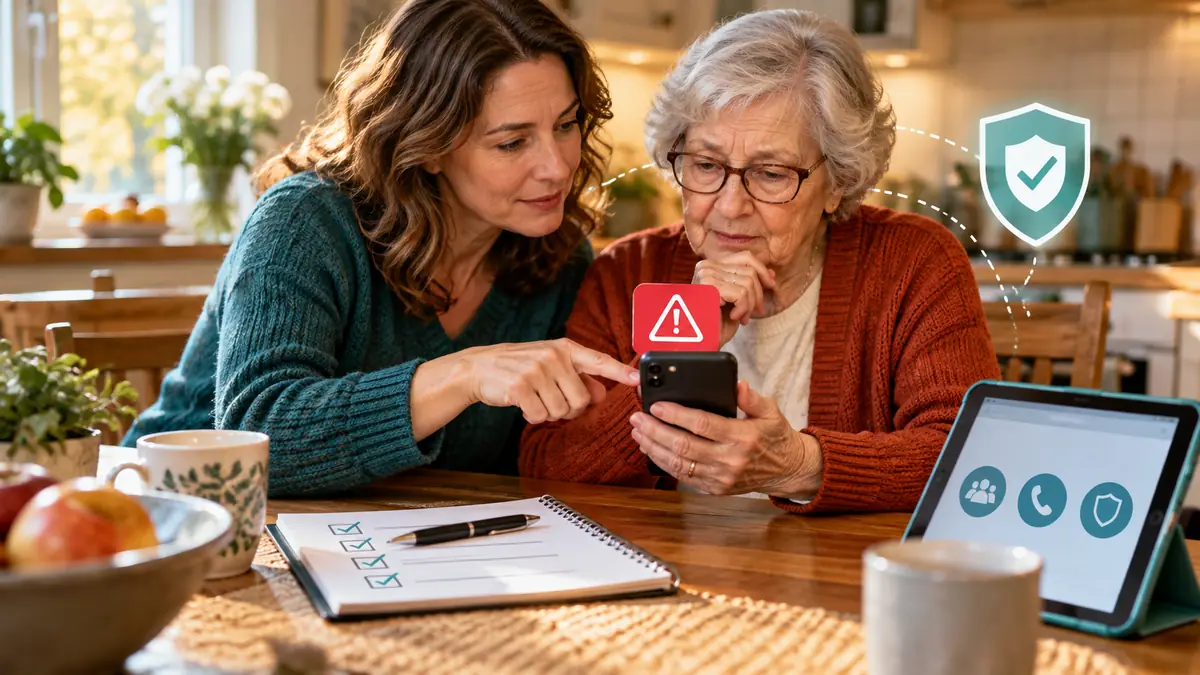
If you are supporting someone at elevated risk, focus on removing isolation rather than lecturing about scepticism. A person who knows they can call you before acting on any urgent request is measurably harder to scam than one who feels they must decide alone under pressure.
Set up practical safeguards together where appropriate, a shared code word for genuine emergencies, a standing rule to verify any unexpected request independently, since these structural habits work even in the exact moment when careful thinking is hardest to access.
Where a language barrier is part of the picture, keep a list of trusted, verified contact numbers for banks, insurers, and government offices written down in the person’s preferred language, since looking up an unfamiliar number correctly under pressure is a task that itself becomes considerably harder when reading comprehension is already strained.
For more on this, see AARP’s Fraud Watch Network, NCMEC, and the FBI’s IC3.
Frequently Asked Questions
Is it disrespectful to set up scam safeguards with an older family member?
Framed as a shared, practical habit rather than a judgement about their capability, most people welcome it. Presenting it as something you are doing together, rather than something being imposed on them, makes a meaningful difference in how it lands.
What is the single most protective thing I can do for someone at elevated risk?
Reduce their isolation specifically around financial and urgent decisions. Being someone they can call before acting, without judgement, consistently outperforms any single piece of scam-recognition advice.
Scammers targeting vulnerable groups follow a systematic pattern, not an opportunistic one. Understanding the specific vulnerability being exploited is what allows the people around someone to provide genuinely useful protection.
Talk to one person in your life at risk from scammers targeting vulnerable groups this week, not about scams generally, but about a specific plan for what they will do before acting on an urgent request, and who they will call first to check before acting, so the plan already exists, feels natural, and is genuinely rehearsed before real pressure ever actually arrives at their door.
If this was useful, share it with someone who needs to know.