
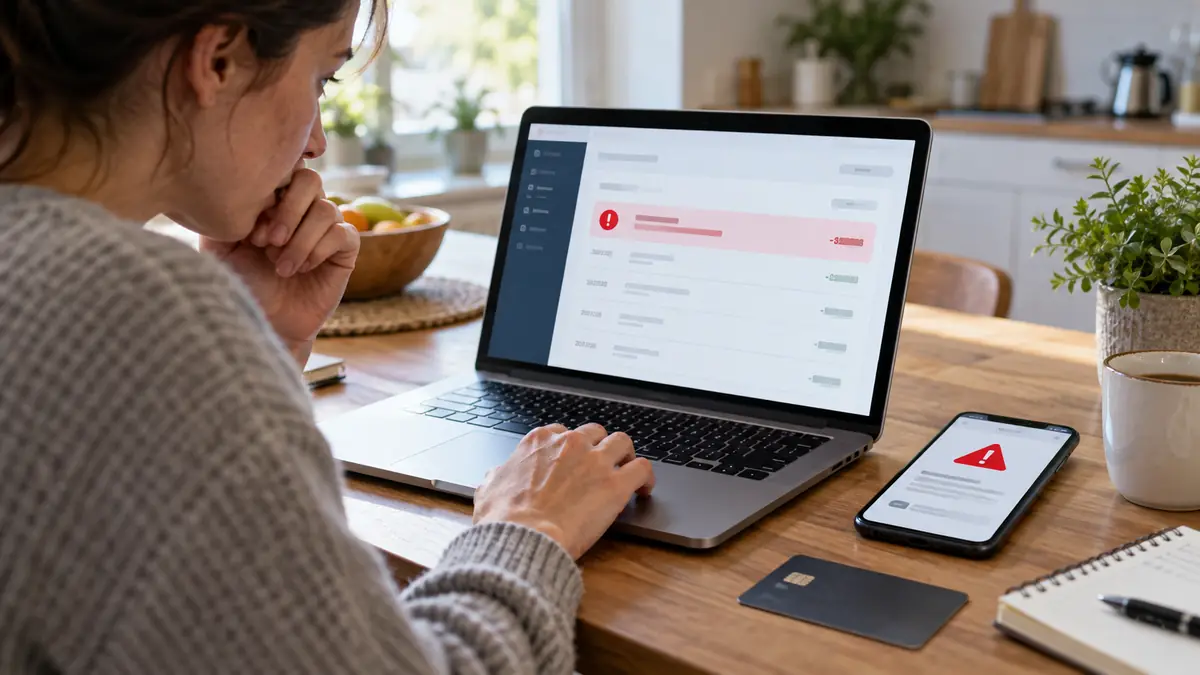
You are checking your bank statement and there it is: a charge you do not recognise. Not a small one you might have forgotten about, a real one, somewhere you have never shopped. This is unauthorised payment fraud, and the next hour matters more than any other.
The next sixty minutes matter more than almost anything else you do about it. Unauthorised payment fraud is at its most recoverable in that first hour, before the money moves further and before the trail goes cold.
This post walks through exactly what to do the moment you spot it, who to call first, what your chargeback rights actually cover, and the habits that reduce your exposure going forward. For the full section overview, see how your money is targeted online.
How Does This Kind of Fraud Actually Happen?
Cards get cloned at compromised card readers, or their numbers get harvested through phishing sites and data breaches, then sold on to whoever will use them fastest before the fraud is caught.
Payment app fraud works differently, tricking you directly into authorising a transfer yourself, often through a fake bank call convincing you your account is already compromised and needs to be “secured” by moving money to a new account.
Wire transfers carry the highest risk of all, since they generally cannot be reversed once sent. New York’s Attorney General sued Zelle’s parent company Early Warning Services in August 2025, alleging more than a billion dollars had been stolen from users through exactly this kind of social engineering.
Card-not-present fraud, where a stolen card number is used online without the physical card ever being present, has grown faster than in-person cloning specifically because it requires no physical proximity to the victim at all, just a leaked number from any one of the data breaches that occur with increasing regularity across retailers, and processors.
QR code payment fraud has added a further variant specifically relevant to UPI-heavy markets like India, where a scammer swaps a legitimate merchant’s QR code for a lookalike one, or sends a fraudulent payment request disguised as a refund, exploiting the fact that most UPI users have grown accustomed to trusting a scanned code without verifying the underlying account details it actually points to.
What Should You Do in the First Sixty Minutes?
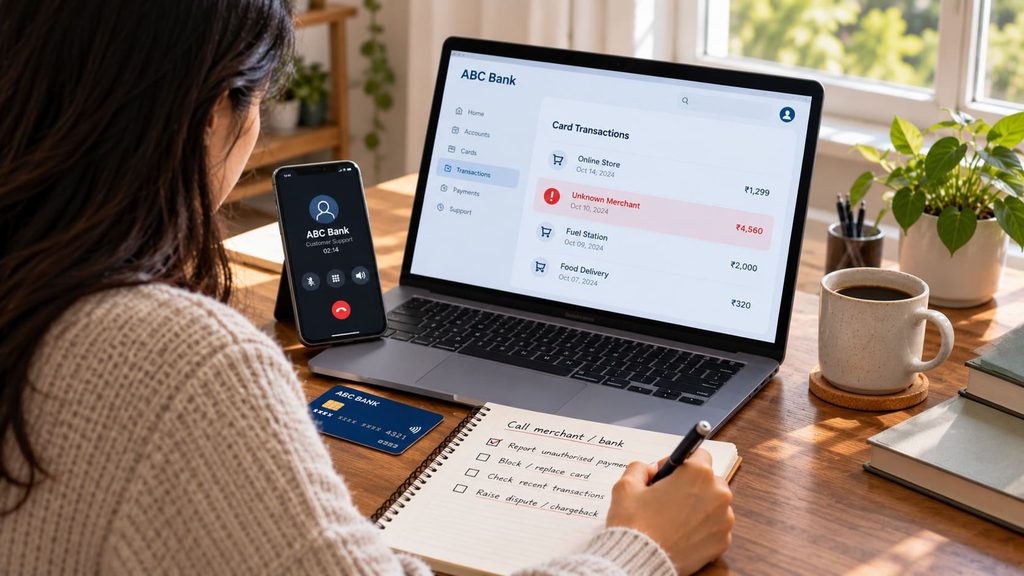
Call your bank or card issuer immediately using the number on the back of your card, not any number provided in a message or email, since fake support numbers are a common secondary trick.
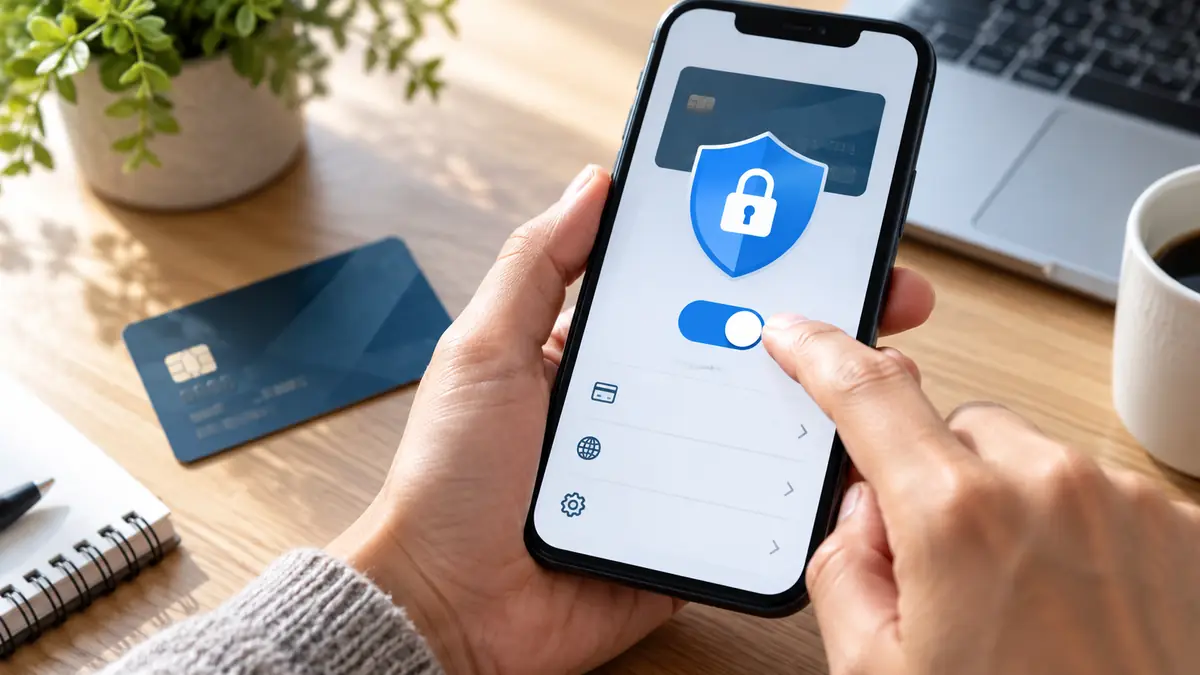
Freeze or block the card through your banking app while you are still on the call if that option exists, stopping any further use of it in real time rather than waiting for the representative to process the request.
Change your online banking password immediately afterward, in case the fraud originated from a compromised login rather than a cloned card alone. Payment fraud losses reached 2.9 billion dollars in 2025, the fastest-growing fraud category tracked, according to Security.org’s account takeover research. The CFPB’s consumer tools explain your dispute rights in plain language once a charge is confirmed unauthorised.
Request a written or emailed confirmation reference for every step taken during that first call, since a documented timeline strengthens any later dispute and gives you something concrete to point to if the case needs escalating beyond a first-line representative.
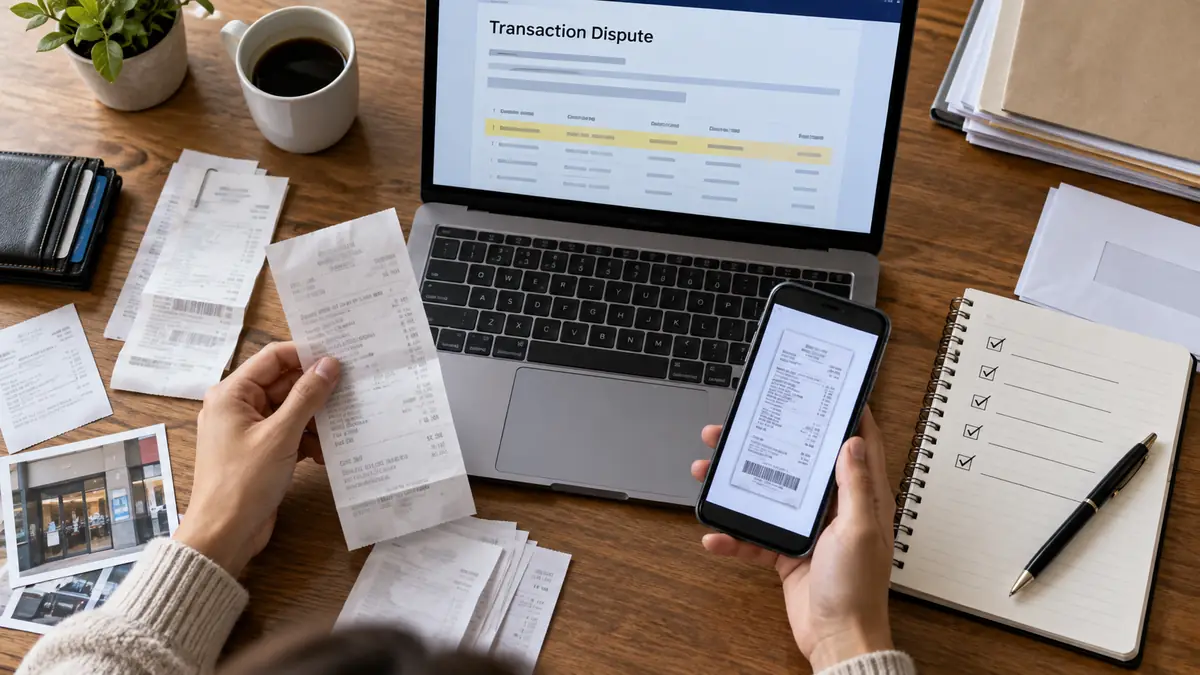
Take a screenshot of the unfamiliar charge itself before disputing it, including the exact amount, merchant name, and timestamp shown, since this record can disappear or change status in your banking app once a dispute is opened, and having it preserved separately avoids any ambiguity later about what you originally saw.
What Do Your Chargeback Rights Actually Cover?
A chargeback lets you dispute a card transaction directly with your bank, reversing the charge while the claim is investigated, and it generally offers stronger protection than a payment app transfer does.
Coverage varies by payment method and by country. Credit cards typically carry the strongest chargeback protections, debit cards somewhat less, and instant payment app transfers, once authorised, are often the hardest to reverse at all.
In the UK, the Payment Systems Regulator now mandates reimbursement for victims of authorised push payment fraud, where a person is tricked into authorising the transfer themselves, a protection that took effect in October 2024 and shifted more of the recovery burden onto banks.
India and the US still generally place the recovery burden more heavily on the account holder for authorised transfers than the UK’s newer regime does, which makes the initial verification step, confirming a request is genuine before transferring anything, considerably more important in those markets than relying on after-the-fact reimbursement.
Reserve Bank of India guidelines do offer some protection for unauthorised electronic transactions specifically, limiting a customer’s liability if the fraud is reported within three working days of receiving the transaction notification, provided the customer was not negligent in sharing their own credentials, which makes prompt reporting a genuinely material factor in how much of the loss is ultimately recoverable.
What Reduces Your Exposure to Payment Fraud Going Forward?
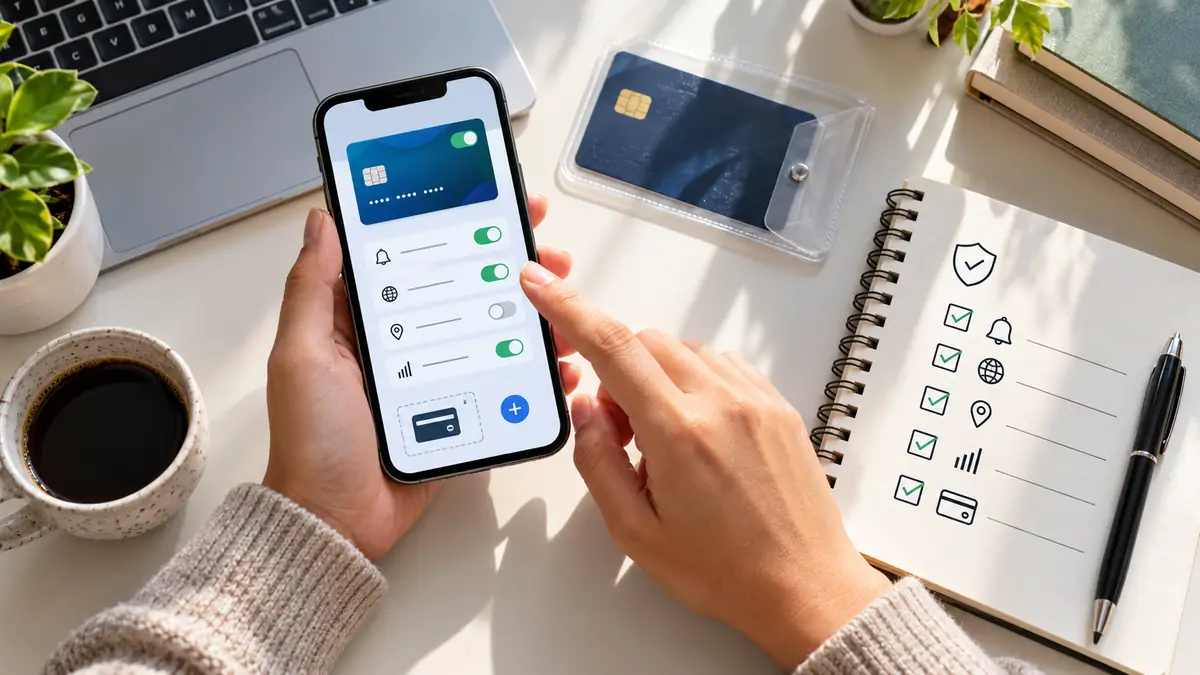
Verify any request to move money to a “safe account” independently, by calling your bank back on the number printed on your card, never the number the caller provides, before transferring anything.
Enable transaction alerts for every card and account you hold, so any charge, however small, reaches you the moment it happens rather than showing up unnoticed on a monthly statement.
This connects closely to how fake bank calls lead to account takeover, and if your accounts are already compromised, your real options for recovering lost money walk through the next steps in more depth. Reviewing how criminals target your bank accounts and digital wallets is also worth revisiting periodically.
These resources go deeper on this topic: the FTC’s consumer protection guidance, and the FBI’s IC3.
Frequently Asked Questions
Will I get my money back if I report fraud quickly?
Reporting within the first 72 hours meaningfully improves recovery odds. The FBI’s Recovery Asset Team successfully froze or recovered funds in 73% of cases reported within that window in 2025, though outcomes still vary by payment method and how quickly the funds were moved onward.
What is the difference between fraud and a chargeback dispute?
Fraud means you never authorised the transaction at all. A chargeback dispute can also cover situations where you did authorise a purchase but never received the goods or service, which carries different rules and a different resolution process.
The first hour after discovering unauthorised payment fraud is the most important one you will have, and moving quickly, with the right number, to the right person, meaningfully increases your chance of getting the money back.
Save your bank’s genuine fraud reporting number in your phone right now, before unauthorised payment fraud ever reaches you, so you are not searching for it in a panic the moment a suspicious charge actually appears on your statement, when every extra minute genuinely counts against you and clear, calm thinking is genuinely the hardest thing in the world to manage under sudden, unexpected financial pressure like this.
If this was useful, share it with someone who needs to know.