
The people most susceptible to scams are not unintelligent. They are human, and being human means running on mental shortcuts that work well most of the time and are exploited precisely when it matters most. Cognitive biases and scams are connected far more closely than intelligence ever was.
Cognitive biases and scams are connected far more closely than intelligence and scams ever were. These biases are not flaws in your thinking. They are shortcuts, refined by people who have mapped them precisely enough to trigger on command.
Understanding your own biases will not eliminate them entirely. It creates a gap between impulse and action, and that gap is where most exploitation actually gets stopped.
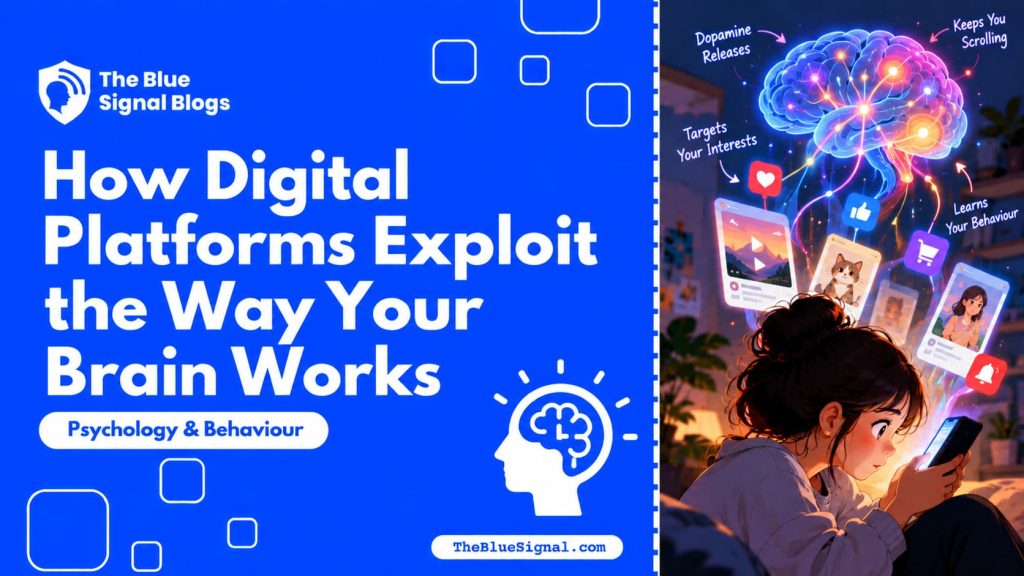
This post explains confirmation bias, availability bias, and optimism bias specifically, and how each is deliberately triggered in scam and manipulation scenarios. This is part of the wider picture covered in how platforms exploit your brain.

What Is Confirmation Bias, and How Is It Used Against You?
Confirmation bias means you notice and accept information that matches what you already expect, while unconsciously discounting information that contradicts it, without any deliberate intention to be unfair to the evidence.
A scammer posing as a bank representative exploits this directly by opening with something you already believe is plausible, that fraud alerts happen, that banks call customers, then building the rest of the interaction on that accepted premise rather than asking you to believe something new from scratch.
Verizon’s 2025 Data Breach Investigations Report found pretexting, creating a fabricated scenario built on a believable premise, present in over 50% of social-engineering breaches, confirming that psychological exploitation, not technical hacking, drives most successful attacks. AARP’s Fraud Watch Network translates this research into plain-language warning signs for exactly these cognitive traps.
Education and professional experience do not neutralise confirmation bias, since the bias operates on the structure of belief rather than on the amount of knowledge a person holds. A chartered accountant who understands fraud statistics professionally can still accept a fabricated premise personally, because the bias engages before conscious analysis has a chance to begin.
This is precisely why confirmation bias is so effective against experienced, educated targets specifically. Scammers running digital arrest schemes in India frequently research a target’s profession beforehand, tailoring the opening premise to something that particular person is already primed to find credible, a courier delay for someone who shops online often, a tax notice for someone who recently filed returns.
How Do Availability Bias and Optimism Bias Work Differently?
Availability bias makes recent, vivid events feel more likely than they statistically are, which is why a scam referencing a recent, well-publicised event, a tax deadline, a festival, a data breach in the news, feels more credible than a generic claim would.
Optimism bias works in the opposite emotional direction, the quiet belief that bad things happen to other people, not to you specifically. This is exactly why the same scam that seems obviously suspicious when described to someone else can feel different when it is happening to you directly.
This connects closely to how fear and urgency are used to scam people, since urgency is frequently what stops optimism bias from being questioned in the moment it would matter most.
Both biases are measurable, not just theoretical. Behavioural researchers have repeatedly shown that people rate their own risk of falling for a scam as lower than the average person’s risk, a statistical impossibility across an entire population that reveals just how consistently optimism bias distorts personal risk assessment.
Availability bias also explains why scam warnings themselves can backfire if timed poorly. A warning about a specific scam type fades from memory within weeks, while a scammer referencing something genuinely current, a festival payment deadline, a recent cyclone relief drive, taps into whatever is freshest in a target’s mind at the moment the call arrives.
How Are These Biases Deliberately Triggered in Real Scenarios?
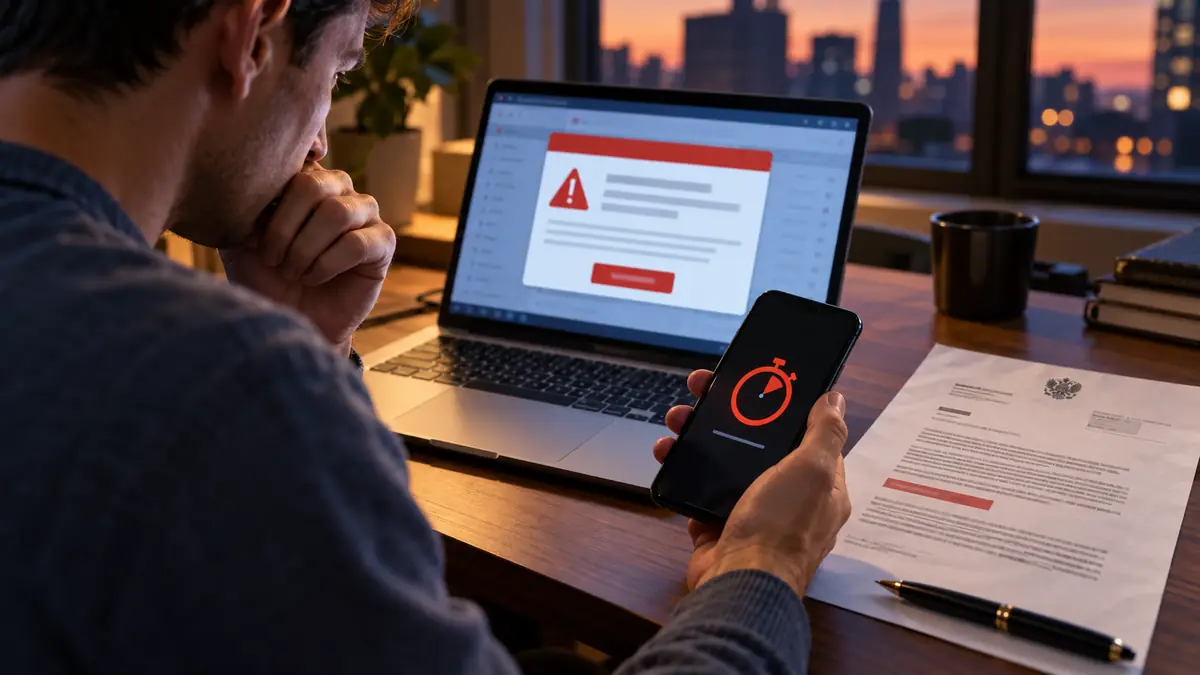
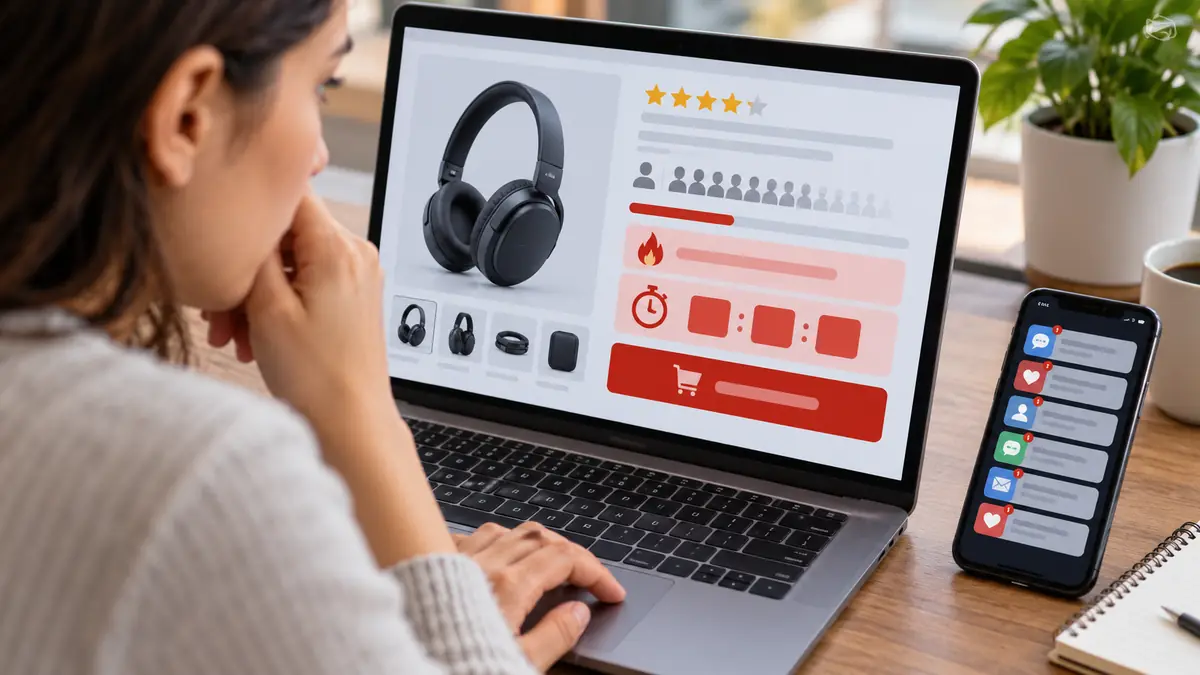
Scammers combine biases rather than relying on just one. A digital arrest scam might open with a believable premise, referencing a real parcel or account, exploit availability bias with a recent news reference, and then use urgency to prevent optimism bias from ever getting the chance to reassert itself.
This layering is deliberate and tested, not improvised. The scripts used across documented cybercrime operations are refined the same way advertising copy is, kept only when they reliably produce the intended emotional and behavioural response.
Recognising this layering matters more than memorising any single bias in isolation, since real attacks rarely rely on just one mechanism working alone.
Investment fraud follows a similar layered pattern over a longer timeframe. A small initial “win” confirms the scheme’s legitimacy, feeding confirmation bias with real evidence rather than just a plausible story, while the promise of an even larger, time-limited return exploits both availability bias, the vivid memory of the first payout, and optimism bias, the belief that this particular scheme is the exception.
This is also why victim-blame is so misplaced. A person who lost money to a well-layered scheme was not careless. They were responding exactly as a human brain is built to respond to a carefully sequenced set of triggers, tested and refined against thousands of previous targets before ever reaching them.

How Do You Create the Gap Between Impulse and Action?
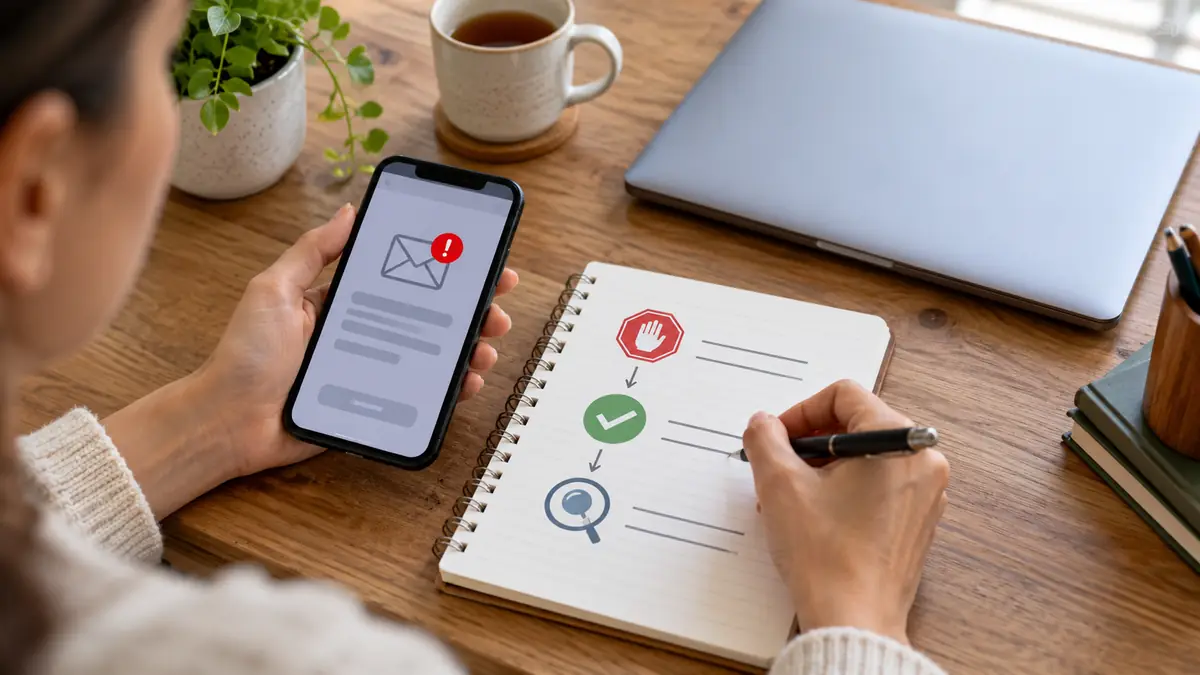
Build in a deliberate pause before acting on any message or call that creates urgency, even a single minute, since most of these biases operate fastest under time pressure and lose their grip the moment you slow down.
Ask yourself specifically which bias might be active: does this confirm something I already believed too easily, does it reference something recent that made it feel more real, or am I assuming this couldn’t happen to someone like me?
Practice this awareness before you actually need it, since trying to identify a bias for the first time in the middle of a high-pressure call is far harder than recognising a pattern you have already thought through calmly. This connects to why people obey scammers pretending to be authorities and to why stress and decision fatigue make you more vulnerable.
These resources go deeper on this topic: the American Psychological Association, the FBI’s IC3, and the Center for Humane Technology.
Frequently Asked Questions
Does being intelligent or well educated protect you from these biases?
No. Confirmation bias, availability bias and optimism bias operate on the structure of belief, not on how much someone knows. Doctors, engineers and finance professionals appear regularly among documented scam victims precisely because expertise does not switch off these shortcuts.
Can you train yourself out of cognitive bias completely?
Not completely, since these shortcuts are a normal, permanent feature of how brains process information quickly. What you can build is the habit of pausing and naming a bias when it activates, which closes most of the gap a scammer is relying on.
Understanding how cognitive biases and scams connect does not eliminate the biases, but it creates a gap between impulse and action that significantly reduces how effectively they can be exploited.
The next time a message or call creates a strong, immediate reaction, name which of these cognitive biases and scams tactics might be driving it before you respond.
If this was useful, share it with someone who needs to know.