
What does Instagram actually know about you? Not what you posted, what it knows. What social media collects goes far beyond your own posts.
The honest answer to what social media collects is significantly more than most users assume, built from far more than the photos and captions you consciously chose to share.
Every scroll, every pause, every message you almost sent but deleted, all of it feeds a system built to understand you well enough to keep you scrolling, not necessarily to show you what you would genuinely value most.
This post explains what platforms collect and how, why the algorithm favours content that triggers strong emotional reactions, and how to review and limit what you are sharing without realising it. This is part of the wider picture covered in who is watching you online.

What Do Platforms Actually Collect From You?
Beyond posts and messages, platforms track how long you pause on specific content, how quickly you scroll past other content, what you almost typed before deleting it, and who you interact with most, even privately.
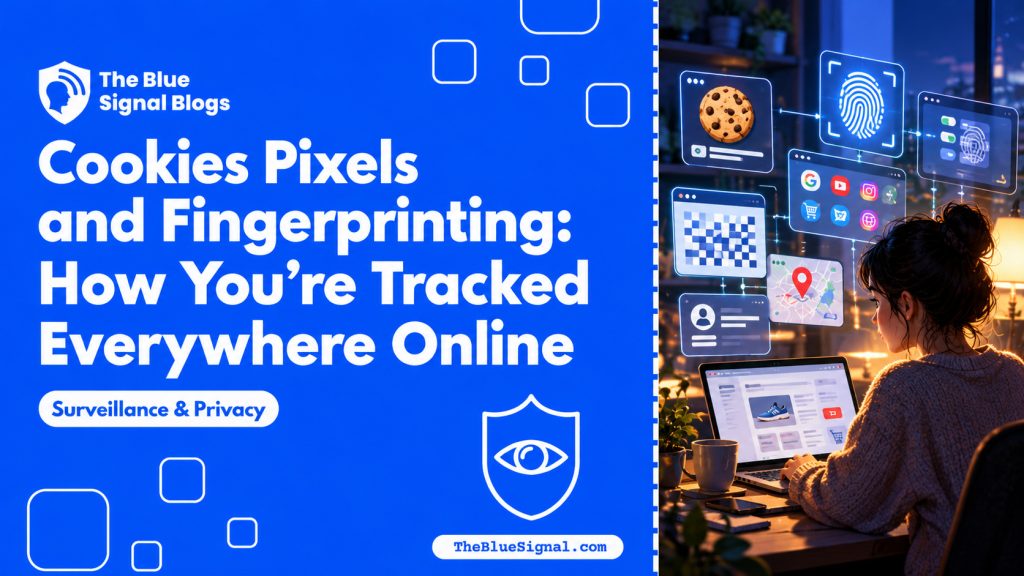
A 2025 security research exposure of a Chinese surveillance database containing 4 billion records was documented as one of the largest single data exposures ever, illustrating the sheer scale at which platform-adjacent data now accumulates. Separately, Meta faced ongoing litigation over collecting data from non-users entirely, through tracking pixels embedded on external websites, gathering information on people who had never created an account at all. Incogni’s Social Media Privacy Ranking compares exactly what each major platform collects and how accessible its controls actually are.
An FTC staff report on social media surveillance found that platforms retained user data indefinitely and shared it broadly, describing the data handling controls it reviewed as woefully inadequate.
Voice and camera data add a further, often underestimated dimension. Several major apps process audio or video briefly on-device to power features like automatic captions or filters, and while platforms generally state this processing does not involve storing raw recordings, the boundary between momentary processing and retained data has been the subject of repeated regulatory scrutiny precisely because it is so difficult for an outside party to verify independently.
Indefinite retention is worth sitting with specifically, since it means content and behavioural data from years ago, a message you sent as a teenager, a search from a difficult period in your life, typically remains in a platform’s systems long after it has any relevance to who you are now. Unlike a physical record that fades or gets lost, digital retention defaults to permanence unless a specific deletion request is made, which is precisely why the data archives covered later in this post so often surprise people with how far back they extend.

Why Does the Algorithm Show You What It Shows You?
The platform is not showing you content it believes you will genuinely enjoy. It is showing you content that keeps you on the platform, and those two goals are often very different things.
Emotionally charged content, particularly content that provokes anger or anxiety, reliably generates more engagement than calm or neutral content. That difference in performance creates a structural pull toward amplifying divisive material by design, regardless of whether it reflects your actual interests or wellbeing.
Targeting based on private messages and inferred emotional state extends this further, using signals from your closed conversations to refine what public content the algorithm decides to surface next. This overlaps directly with filter bubbles and confirmation bias, since the same engagement-driven logic decides what viewpoints you see repeated back to you.
This dynamic compounds over time in a way that is easy to miss day to day. Each engagement with emotionally charged content trains the algorithm to show slightly more of it, which produces slightly more engagement, which trains the algorithm further still. Nobody experiences this as a single dramatic shift, it arrives as a gradual tilt in what a feed looks like six months later compared to when an account was new, by which point the change feels like simply how the platform is, rather than a direction it was actively steered toward.

What Is Shadowbanning, and How Would You Know?
Shadowbanning describes a platform quietly reducing the visibility of your content without telling you, so your posts reach far fewer people than usual while appearing, to you, to have posted normally.
Signs include a sudden, sustained drop in engagement with no clear cause, content not appearing in hashtag or search results where it normally would, and followers reporting they no longer see your posts in their feed at all.
Platforms rarely confirm this directly, which makes it difficult to distinguish from an algorithm change affecting many accounts at once. Documenting engagement over time is the most reliable way to notice a genuine, targeted pattern.
A practical check some users rely on is asking a friend who does not follow you to search for your content directly using specific, distinctive terms from a recent post. If the content appears reliably in that search but not in hashtag browsing or explore-style discovery feeds, that pattern is more consistent with visibility being deliberately limited than with a general algorithm shift, though this remains an inference rather than confirmed proof, since platforms very rarely disclose these decisions directly.

How Can You Review and Limit What Social Media Collects?
Download your data archive from each major platform periodically. Most offer this directly in settings, and the contents are often far more extensive than users expect, including inferred interest categories and advertiser lists.
Review ad preference and activity settings specifically, since these frequently reveal exactly which categories a platform has sorted you into, sometimes including sensitive inferences you never explicitly shared.
Pay particular attention to any category that surprises you, an inferred health condition, a political leaning, a life event you never posted about directly, since these are the clearest evidence of behavioural inference rather than simple content collection. Removing yourself from a specific category, where the platform allows it, does not guarantee the underlying inference is deleted, but it does typically stop that category from being used to target you going forward.
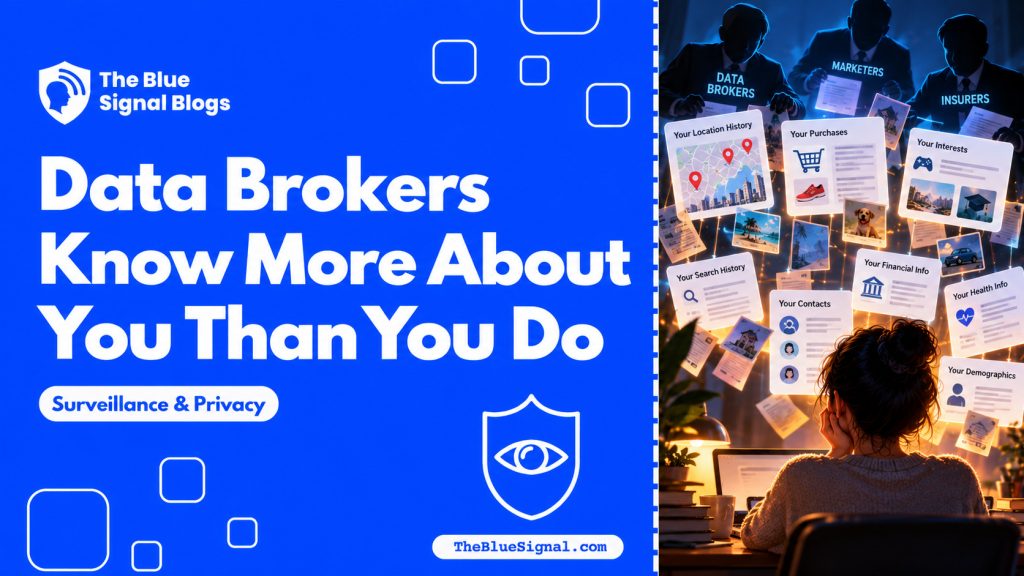
Limit third-party app connections linked to your account, since each one can extend what is collected well beyond the platform itself. This connects closely to how data brokers know more about you than you do and to the privacy settings worth changing on every platform.

For further reading, EFF’s Surveillance Self-Defense guide, The Markup’s tracking investigations, and the UK Information Commissioner’s Office each cover this topic in more depth.
What social media collects shapes far more than the feed itself. The platform is not showing you what it thinks you will enjoy most. It is showing you what keeps you scrolling, and those are frequently not the same thing.
To see what social media collects about you specifically, download your data archive from one platform today, and look at the advertiser and interest category lists. Most people are surprised by what they find there, and by how far back some of the entries actually go, sometimes years further than most people would ever have guessed.
If this was useful, share it with someone who needs to know.