
Walk through any city centre today and the cameras watching you are not simply recording footage for later. Many of them are identifying you, in real time, against a database you have never seen and never agreed to be part of. Facial recognition surveillance has quietly become the default in more public spaces than most people realise.
Facial recognition surveillance has moved from an experimental technology to routine infrastructure in a remarkably short time, and most people have no clear sense of where it operates or what happens to the match once it is made.
Mass surveillance changes more than what authorities know about a specific incident. It changes what people are willing to say and do in public, a chilling effect that is part of understanding the technology, not a separate concern from it.
This post explains how government and corporate surveillance actually works, how your data has been used in predictive policing, and what rights and reporting options exist if you want to push back. For the full section overview, see who is watching you online.
How Does Government and Corporate Surveillance Actually Work?
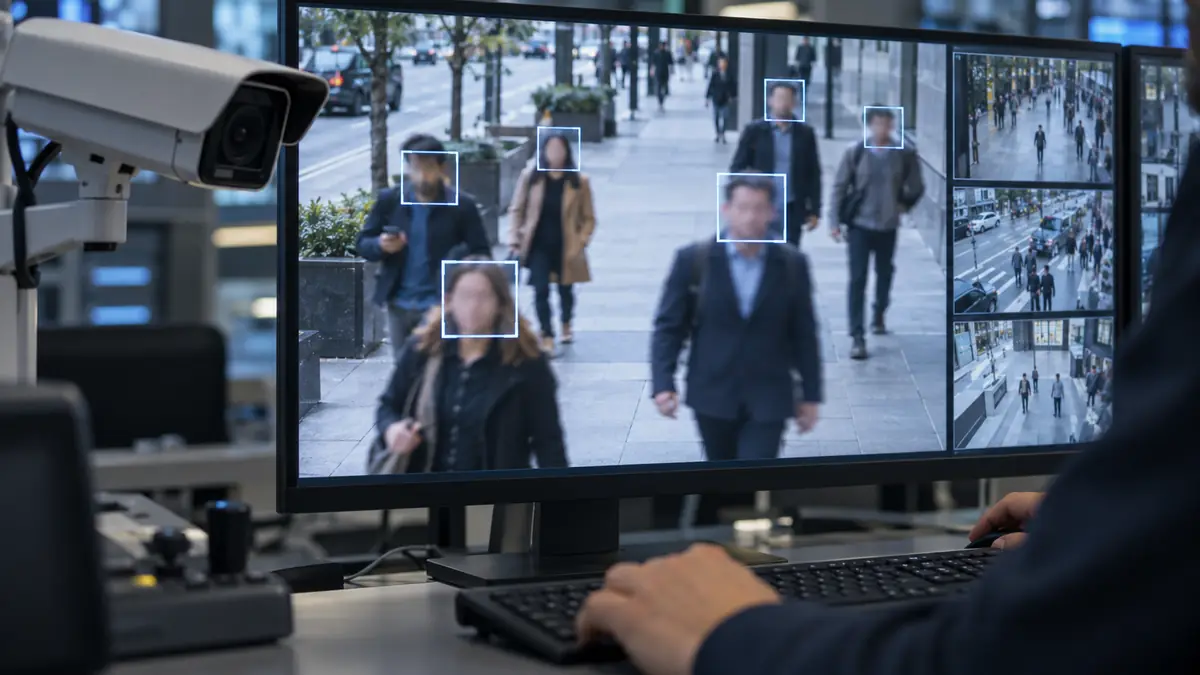
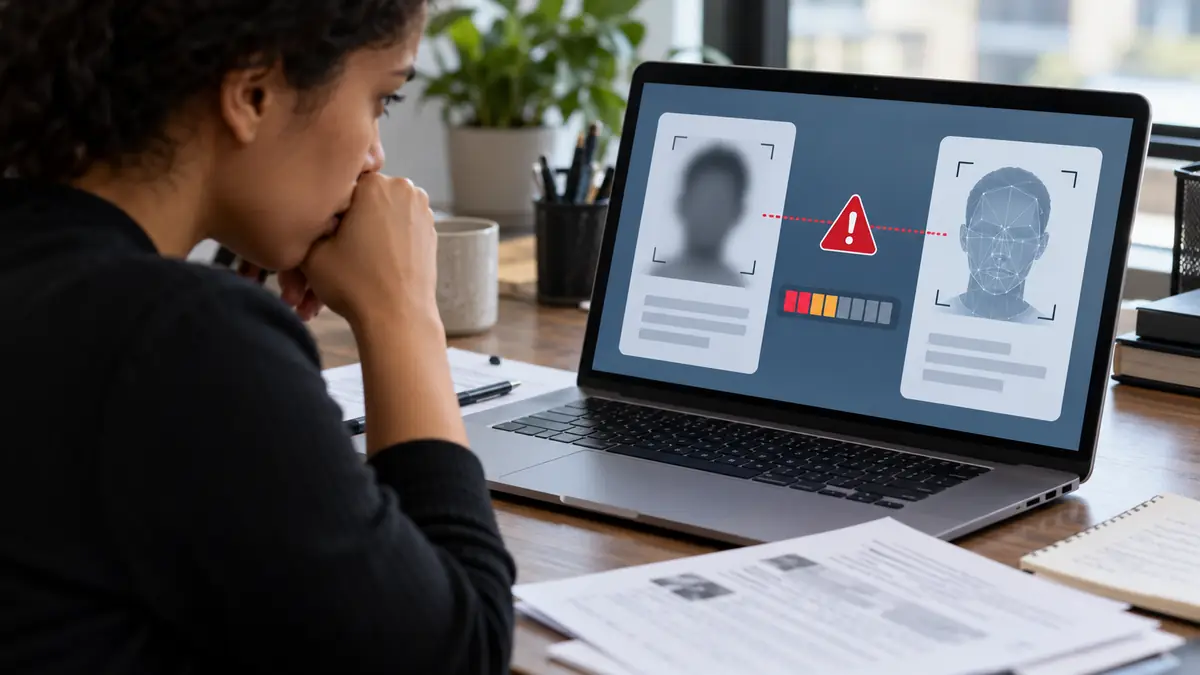
Facial recognition systems compare a captured image against a reference database, matching biometric points, the distance between your eyes, the shape of your jaw, that remain largely consistent even as you age or change appearance superficially.
These systems are not only run by governments. Corporate surveillance infrastructure, retail cameras, building security systems, and private data brokers, frequently feeds into the same broader pool of identifiable footage, sometimes shared with law enforcement through commercial agreements most citizens never see.
The FTC banned data brokers Mobilewalla and Gravy Analytics in 2025 from selling location data, establishing a precedent that selling surveillance-adjacent data to anyone, regardless of the stated purpose, can constitute an unfair practice. That ruling reflects just how blurred the line between government and commercial surveillance has become.
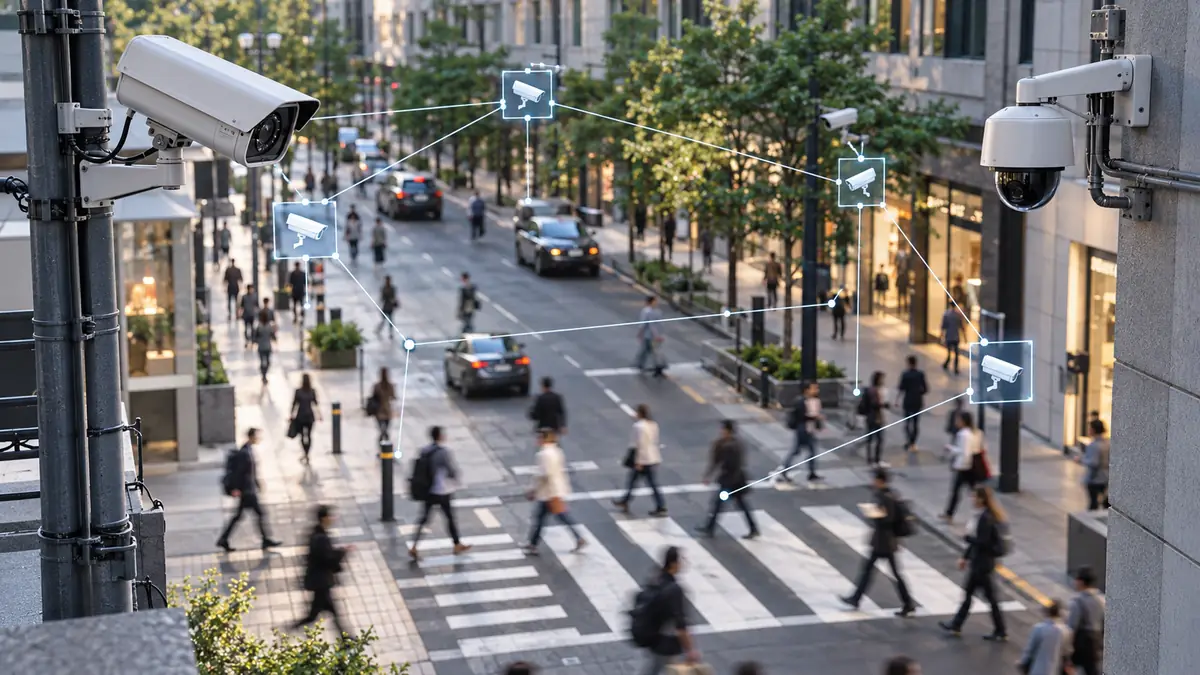
Transit systems and toll infrastructure represent a less visible but equally routine layer of this same surveillance web, since automatic number plate readers and transit card scans generate a detailed, time-stamped movement log for millions of ordinary commuters who never think of themselves as being tracked simply by taking the same route to work every day.
Accuracy is a further, less discussed problem within this system. Facial recognition error rates are not evenly distributed, with documented research showing meaningfully higher misidentification rates for women and people with darker skin tones compared to the technology’s overall average. A false match feeding into a law enforcement process carries real consequences for the misidentified person, which is part of why accuracy alone, even if eventually improved, does not resolve every concern raised about this technology’s use.
How Has Your Data Been Used in Predictive Policing?
Predictive policing systems use historical data, including surveillance footage and broker-purchased profiles, to forecast where crime is likely to occur or who is likely to be involved, a practice that has drawn sustained criticism for reinforcing existing biases in the data it is trained on.
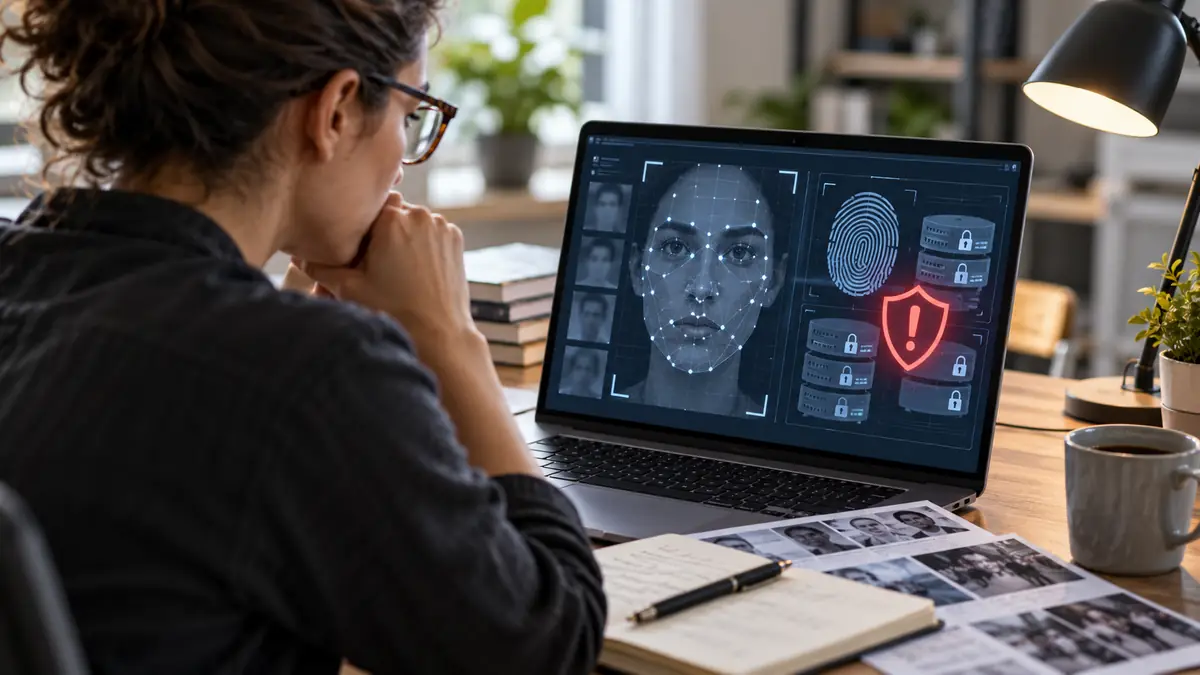
Data broker profiles have documented uses that extend well beyond marketing, including identifying individuals for government surveillance, screening job applicants, and, in some documented cases, selling data on military personnel to entities outside the buyer’s stated jurisdiction, according to research from Privacy Rights Clearinghouse. EFF’s surveillance resource hub covers facial recognition and government surveillance specifically.
This overlaps with concerns raised in how journalists and activists protect themselves online, since predictive and targeted surveillance disproportionately affects people already operating in high-risk contexts.
The feedback loop involved is worth understanding specifically: a predictive system trained on historical policing data tends to direct more attention toward the same neighbourhoods that were already more heavily policed, which then generates more data confirming the original prediction, regardless of whether the underlying crime rate actually differs. This is a well-documented pattern in the academic literature on algorithmic bias, not a hypothetical concern, and it means the system can appear statistically justified while still reinforcing a distortion baked in from the start.
What Is the Chilling Effect, and How Do You Recognise It?
Knowing you might be identified and recorded changes behaviour even when nothing unlawful is happening. People attend fewer public gatherings, express opinions more cautiously, and alter routine movements once they become aware of consistent surveillance in a space they frequent.
This effect is well documented among journalists, activists, and protesters specifically, but it extends to ordinary daily life too, shopping, commuting, attending religious services, once a person becomes aware that these movements are being logged and potentially matched to their identity.
Notice cameras with visible signage claiming facial recognition use in your own city, and whether that use is disclosed at all, since transparency requirements vary enormously by location and are frequently unenforced even where they exist on paper.
In India, several major cities have expanded facial recognition deployment across transit systems and public events under state police initiatives, generally justified on public safety grounds, though independent oversight and public disclosure of how long footage and match records are retained remain limited compared to jurisdictions with dedicated surveillance transparency laws.
The effect compounds specifically around spaces tied to identity or belief, places of worship, protest sites, community centres serving a specific group, since surveillance there carries an additional layer of exposure beyond ordinary movement tracking. Someone choosing not to attend a religious service or a public demonstration because of camera presence is a measurable, if rarely quantified, cost of this infrastructure that does not show up in any crime statistic.
What Rights Do You Have, and Where Can You Report Overreach?
Rights vary significantly by country and region, but many jurisdictions now require some form of disclosure or impact assessment before public facial recognition deployment, even where enforcement remains inconsistent.
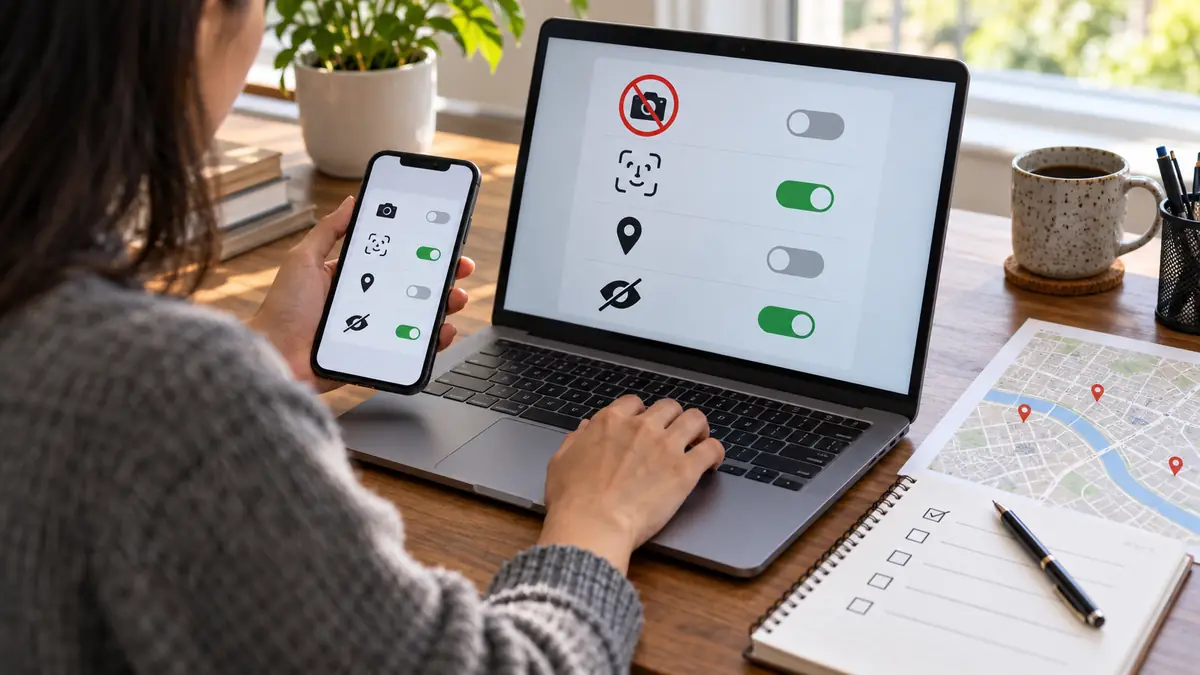
Document specific instances of surveillance you believe are unlawful or undisclosed, including location, date, and any visible signage, since detailed documentation is what makes a complaint actionable rather than anecdotal.
Some cities and regions have introduced sunset clauses or periodic public review requirements for facial recognition deployments, meaning a system approved once is not necessarily approved indefinitely. Checking whether your local jurisdiction includes this kind of built-in review, and when the next one is scheduled, gives residents a concrete point at which public input can actually influence the outcome.
File complaints through your national digital rights body where one exists. This connects directly to the broader picture covered in your digital rights explained, and the same underlying data infrastructure feeds what strangers can find out about you online more broadly.
These resources go deeper on this topic: EFF’s Surveillance Self-Defense guide, the American Civil Liberties Union, and Access Now.
Facial recognition surveillance changes not just what authorities know about a moment, but what people are willing to say and do in public, and that effect is part of the technology itself, not a side issue.
Look up whether facial recognition surveillance is currently deployed in a public space you pass through regularly, and check what disclosure, if any, your local authority actually provides for how that data is stored, used, shared with third parties, and eventually deleted.
If this was useful, share it with someone who needs to know.
