
Your phone has been behaving strangely. The battery drains faster than it used to. It runs warm even when you are not using it. An app you do not remember installing sits quietly in the background. Stalkerware is one of the few explanations that fits every one of those symptoms at once.
These are recognisable signs of stalkerware, software installed by someone with physical access to your device, usually a partner, ex-partner, or family member, that lets them see your location, messages, and calls without your knowledge.
This is not a hypothetical risk. It is one of the most common forms of intimate surveillance, and it is strongly linked to situations of coercive control and escalating danger.
This post explains what stalkerware is and how it gets installed, what someone using it can actually see, and the safe way to respond if you suspect it is on your device. This connects to the broader guide on who is watching you online.
What Is Stalkerware, and How Does It Actually Get Installed?
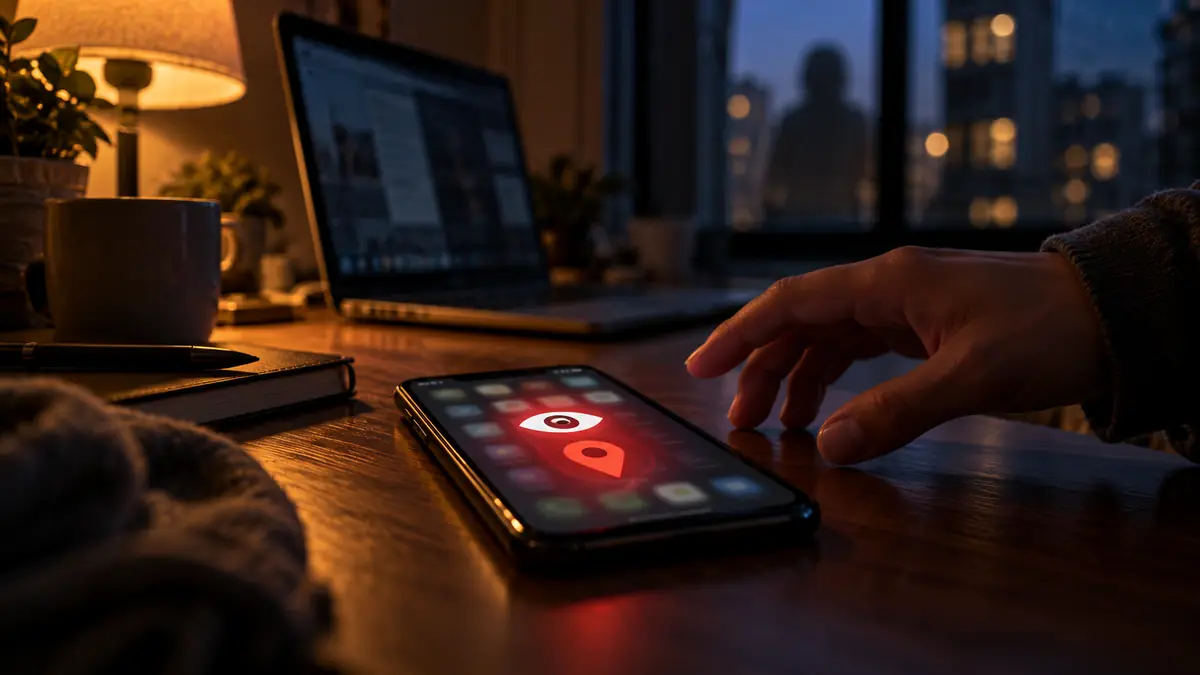
Stalkerware is commercial monitoring software, often marketed publicly as parental control or employee tracking tools, that requires brief physical access to a device to install. Once running, it typically hides its icon and operates invisibly in the background.
Because it requires physical access, it is overwhelmingly installed by someone the victim knows personally, a partner, an ex-partner, or occasionally a family member, rather than a stranger operating remotely.
At least twenty one stalkerware companies have been hacked, leaked customer and victim data, or had known vulnerabilities go unaddressed since 2017, according to TechCrunch analysis, effectively re-victimising the people being monitored a second time through the leak itself.
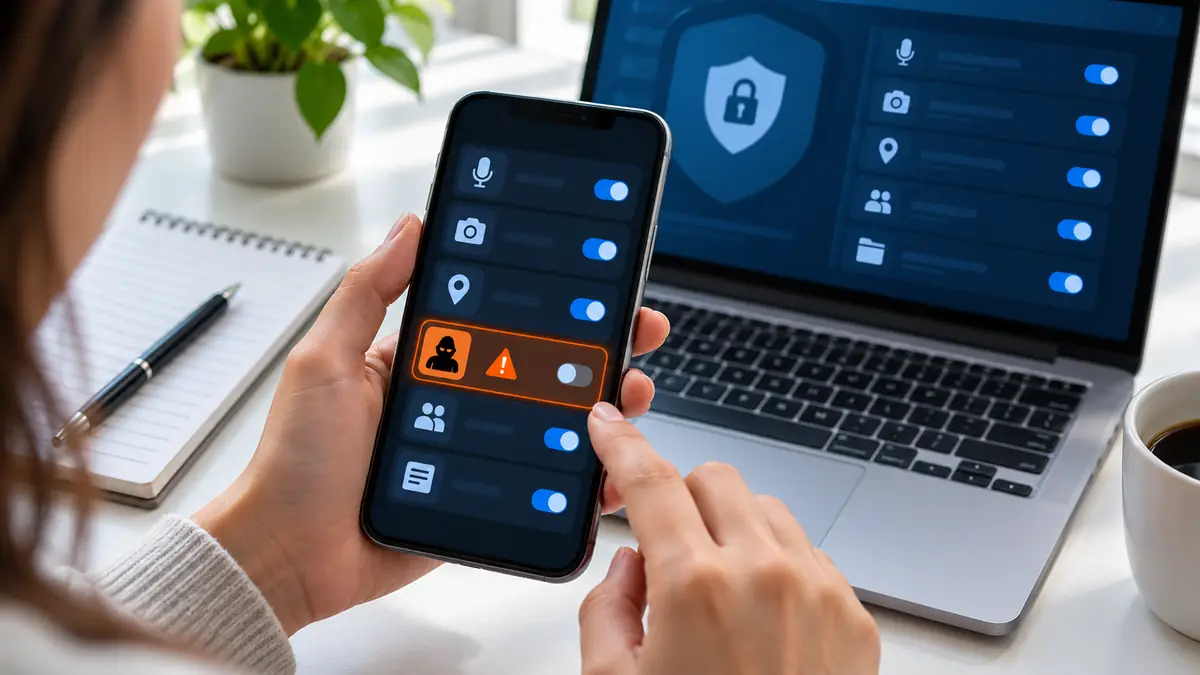
These apps are frequently disguised under innocuous names, a calculator, a battery utility, a system update tool, designed specifically to avoid drawing attention during a casual scroll through installed applications. Recognising this disguise pattern is part of why a device check for stalkerware works better through a dedicated scanning tool than through visual inspection alone.
Shared family plans and parental control features sold entirely legitimately can also be repurposed for this same monitoring, since a tool marketed for keeping track of a young child is functionally identical to stalkerware once installed on an adult partner’s device without their knowledge, which is part of why the software itself is rarely illegal even when its specific use against a partner is.
What Can Someone Using Stalkerware Actually See?
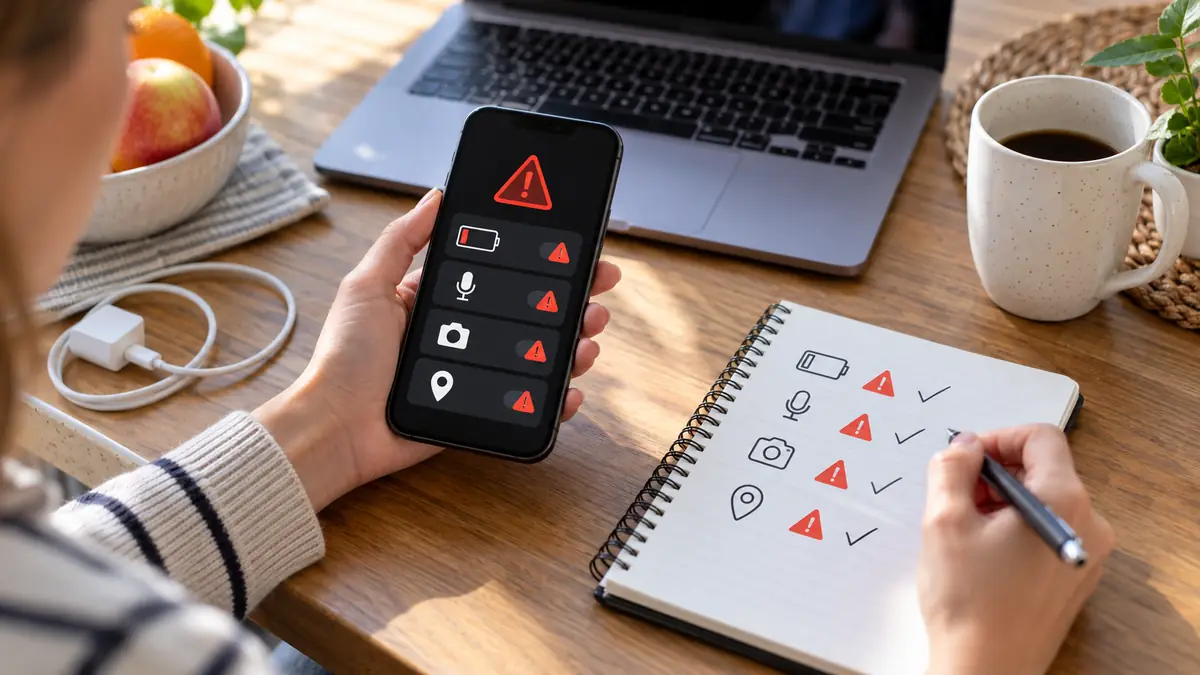
Depending on the specific software, stalkerware can expose real-time location, call logs, text messages, browsing history, and in some versions, microphone or camera access, all transmitted to the person who installed it without any ongoing indication on your screen.
Stalkerware use increased 228% globally between 2020 and 2024, according to Avast threat telemetry, and is used overwhelmingly by intimate partners and ex-partners rather than by strangers, a pattern that reflects how deeply personal this specific threat tends to be.
This connects directly to how your phone’s location data creates physical safety risks, since real-time location access is frequently the most immediately dangerous capability stalkerware provides.
Cloud account synchronisation adds a less visible extension of the same risk, since access to a shared or previously known cloud account can expose message backups, photo libraries, and location history even after stalkerware itself has been removed from the physical device. Changing cloud account passwords and reviewing connected devices is a necessary companion step to removing the app itself, not a separate concern.
Why Is Stalkerware Linked to Escalating Physical Danger?
Its presence on a device is strongly associated with an increased risk of physical violence, since real-time location access allows an abuser to track movements, anticipate a person’s schedule, and intervene in ways that would otherwise be impossible.
This is why stalkerware sits at the centre of digital coercive control more broadly, alongside monitored communications and controlled access to accounts, a pattern explored further in digital stalking and how to recognise it.
Family and friends can also be drawn in unintentionally, since a well-meaning relative who innocently mentions a detail they only learned from a monitored device can inadvertently confirm to an abuser that their surveillance is working, without realising the risk that creates for the person being monitored.
Recognising this link matters because it changes the response. Removing stalkerware without a safety plan can alert the person who installed it, sometimes escalating risk rather than reducing it, which is why the next section matters as much as detection itself.
India’s cyber cells increasingly handle stalkerware complaints as part of a broader coercive control or harassment case rather than as an isolated technical issue, since courts and investigators have grown more familiar with the pattern in recent years, and framing a complaint around the underlying relationship risk, not just the software itself, tends to be taken more seriously.
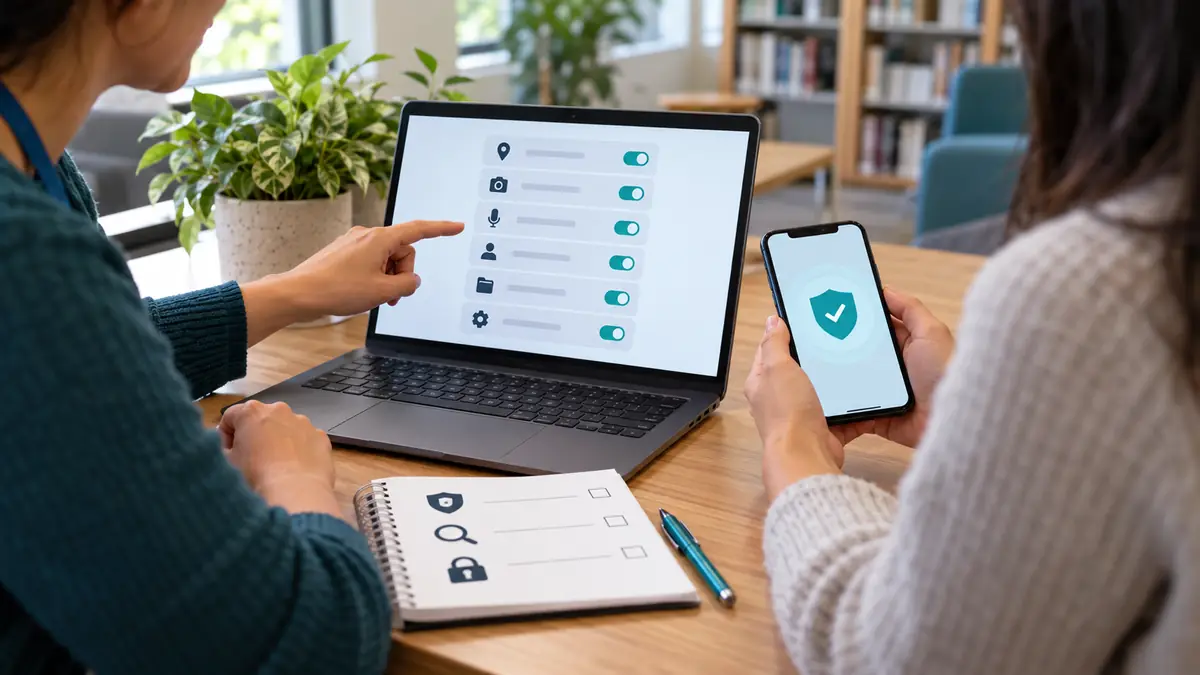
What Should You Actually Do if You Suspect Stalkerware?
Do not immediately uninstall the app if you suspect ongoing danger from the person who installed it. An abrupt removal can alert them that they have lost access, which in documented cases has triggered an escalation rather than resolving the situation.
Contact a dedicated support organisation first. The Coalition Against Stalkerware provides victim resources, a device safety check process, and a directory of support services by country, built specifically around safety planning rather than a simple technical fix.
Where possible, use a separate, unmonitored device, a friend’s phone, a library computer, to research options and reach out for help, since a compromised device can reveal that you are seeking assistance.
Document what you observe, dates, specific behaviours, anything the other person could not plausibly have known without monitoring, since this documentation supports both safety planning and any future protective order.
If you decide the situation is safe enough to proceed without external support, remove stalkerware only after you have secured a new, unmonitored device or account to move to, so you are not left without a working, private line of communication during the transition itself.
Worth reading further: NNEDV’s Safety Net Project, EFF’s Surveillance Self-Defense guide, and StopNCII.org.

Frequently Asked Questions
Is stalkerware illegal?
In many jurisdictions, installing monitoring software on another adult’s device without their consent is illegal, regardless of the relationship between the parties, though enforcement and specific laws vary by country.
Can I just do a factory reset to remove stalkerware safely?
Not necessarily safely. A factory reset removes the software but also immediately alerts the person monitoring you that access has been lost. Contact a support organisation for safety planning before taking that step if you are in an ongoing risky situation.
Stalkerware is installed by people with physical access to a device, almost always someone known to the person being monitored, and removing it without a safety plan can make a dangerous situation more dangerous, not less.
If you recognise these signs, reach out to a dedicated support service before changing anything on the device itself, since removing stalkerware too quickly can sometimes alert the person who installed it, and a support service can help you plan a safer, quieter next step suited to your specific situation and the person involved.
If this was useful, share it with someone who needs to know.

1 comment
Comments are closed.