

Spend five minutes searching your own name right now, in a private browser window. What comes up? Running a simple digital footprint audit like this is the fastest way to find out.
Most people are surprised by how much is publicly findable, and how little of it they consciously chose to put there.
A proper digital footprint audit usually turns up old accounts, forgotten posts, breached passwords, and sometimes your address or phone number sitting on a public database you never signed up for directly.
This post walks through what is genuinely public about you, how to check breach exposure and public records specifically, and how to start taking down what should not be visible. This is part of the wider picture covered in who is watching you online.

What Information Is Actually Publicly Available About You?
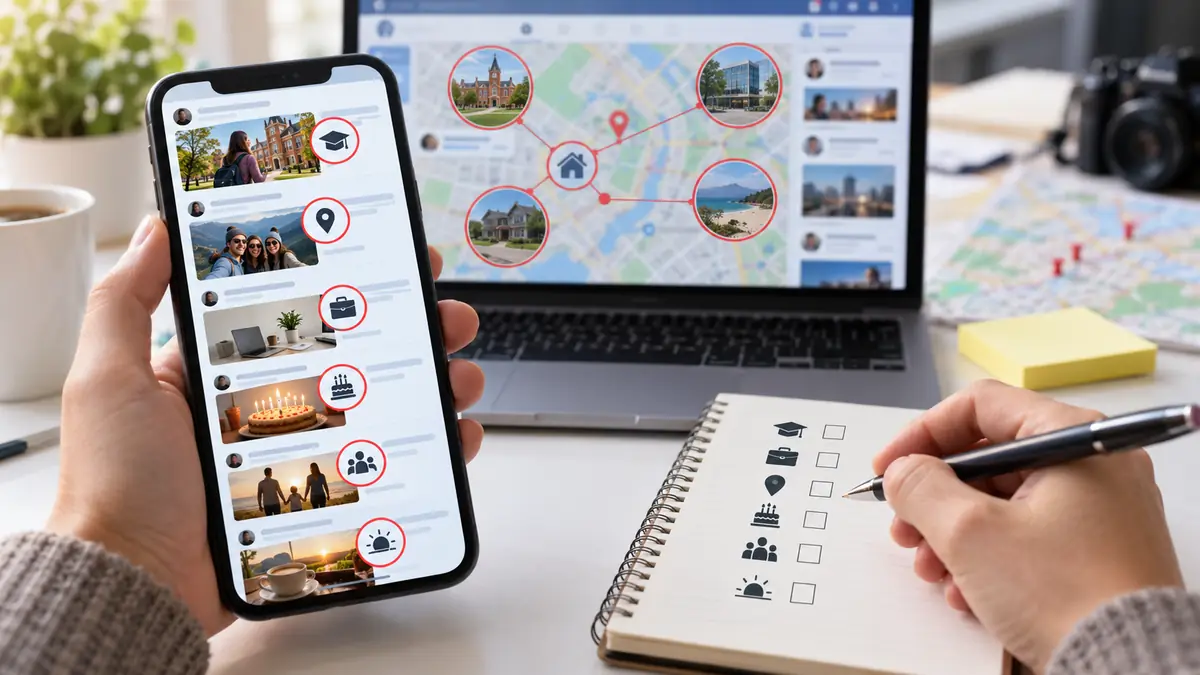
Public search results often include old social media accounts you forgot existed, forum posts from a decade ago, and professional profiles with more detail than you would choose to share today.
Beyond search engines, people-search sites aggregate public records, past addresses, relatives’ names, phone numbers, into a single, easily purchased profile, frequently without any direct interaction from you at all.
Reverse image search adds another dimension many people overlook entirely, since a profile photo used across several different accounts can connect an otherwise anonymous username back to a real identity, simply because the same image appears elsewhere alongside a full name.
Privacy Rights Clearinghouse built a unified database of more than 750 registered data brokers in 2025 by cross-referencing state registration records, revealing for the first time the true scale of an industry that exists specifically to aggregate and resell exactly this kind of information.
Search engine caching adds a further wrinkle most people never consider: content deleted from the original site can still appear in search results for weeks or months afterward, since search engines index a snapshot rather than checking the live page every time. Requesting a specific URL’s removal from a search engine’s index directly, most major search engines offer this through a dedicated removal request tool, is often necessary even after the underlying content itself has already been deleted.

How Do You Check Your Breach Exposure Specifically?
Use Have I Been Pwned, a free tool built by security researcher Troy Hunt, to check whether your email address or password has appeared in a known data breach.
An estimated one billion personal records from twenty six countries were exposed in the IDMerit KYC data leak discovered in November 2025, including two hundred and four million US records, according to Cybernews investigation, illustrating how a single breach can quietly expose millions of people who never interacted with the breached company directly.
If your email or password appears in a breach result, change that password immediately, and check whether the same password is reused anywhere else, since one weak, reused password can cost you everything once a single breach exposes it.
Between October and November 2025 alone, Have I Been Pwned added over two billion unique email-password combinations from aggregated stealer logs, the largest single addition to the database ever recorded. This specific type of breach data, harvested directly from malware installed on a victim’s own device rather than stolen from a company’s servers, is particularly dangerous because it can include passwords typed after the original breach that first compromised the device, meaning even a recently changed password may already be exposed again.

What Do Property Records and Public Databases Reveal?
Property ownership records are public in many jurisdictions, meaning your home address can be connected to your full legal name through a simple public records search, regardless of your social media privacy settings.
Court records, voter registration data, and business filings can add further detail, sometimes including information you would reasonably assume was private, like a past legal dispute or a business address that doubles as your home.
Checking what is visible about you through these channels specifically, rather than only through social media, gives a more accurate picture of your actual exposure than a simple name search alone.
In India, PAN and Aadhaar-linked records occasionally surface through poorly secured third-party services rather than the underlying government databases themselves, which is why checking your exposure means considering every service that has ever requested these identifiers, not just government portals directly.
Old classified listings, marketplace ads, and forum sign-ups from years ago frequently carry a phone number or email address that has since become tied to far more sensitive accounts, meaning a decade-old listing you have entirely forgotten about can still function as a live thread connecting your current identity back to information you would rather keep separate.
Voter registration data in particular catches many people off guard, since registering to vote is a civic obligation most people complete without thinking of it as a public disclosure. Depending on your jurisdiction, this record can include your full address and party affiliation, both technically public and both potentially purchasable by anyone willing to file the right request, even though almost nobody registering to vote consciously weighs that trade-off at the time.
How Do You Actually Take Down What Should Not Be Visible?
Submit removal requests to people-search sites directly. Most have an opt-out process, though it is often deliberately tedious, and several major sites need to be contacted individually rather than through one universal request.
Delete or lock down old, forgotten accounts specifically, since dormant accounts are frequently the source of the oldest and most embarrassing search results, and many platforms allow deletion even years after you stopped using them.
Keeping a simple record of which opt-out requests you have already submitted, and when, is worth the extra few minutes it takes, since several people-search sites are known to quietly re-list previously removed profiles months later using freshly scraped data. Without a record, you have no way of noticing this has happened until you stumble across your own listing again, which defeats much of the point of doing the removal work in the first place.
Repeat this audit every six months, since new records and rebuilt broker profiles mean your footprint changes even when you have not created anything new yourself. This connects closely to how data brokers know more about you than you do, and if you discover your identity has already been misused, the step-by-step recovery plan for identity theft is the next place to go.

For more on this, see EFF’s Surveillance Self-Defense guide, Have I Been Pwned, and the Privacy Rights Clearinghouse.
A proper digital footprint audit usually reveals more than you deliberately created, since most of it accumulated quietly, one small decision at a time, over years.
Run your own digital footprint audit today: check Have I Been Pwned, and submit one opt-out request to a people-search site you find yourself listed on. Repeat the search again in a few months, since new listings tend to reappear over time even after a successful removal, which makes this an ongoing habit worth repeating every few months rather than a single one-time fix you complete once and then quietly forget about entirely as time passes.
If this was useful, share it with someone who needs to know.