
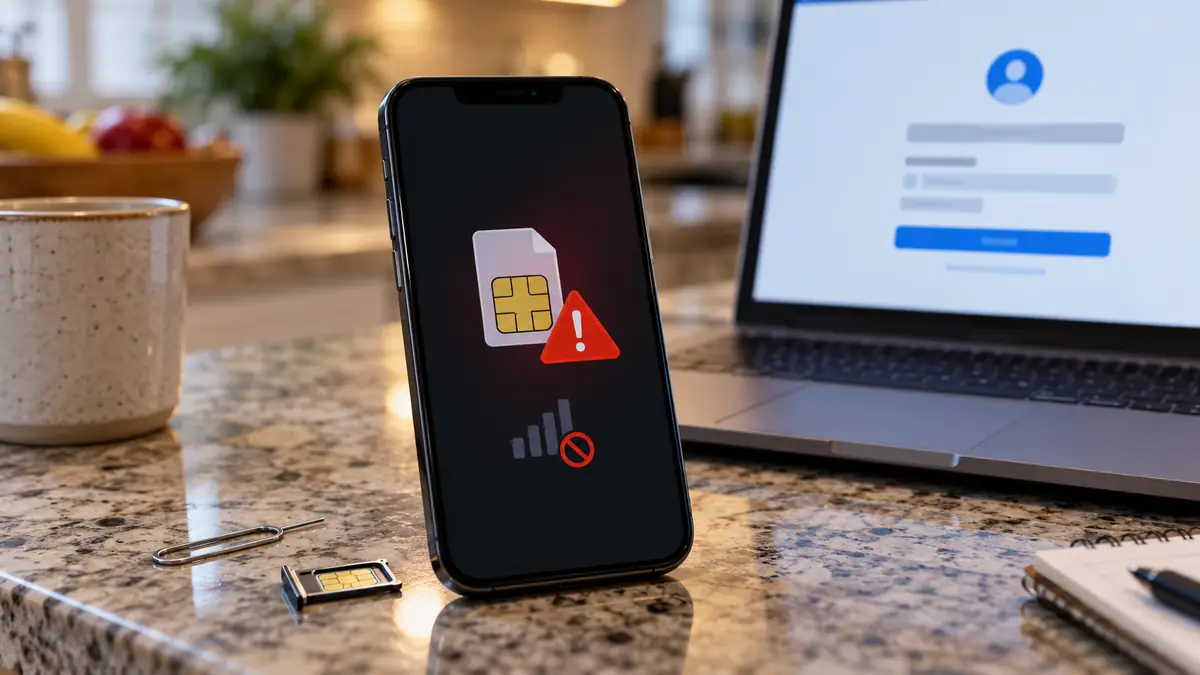
Someone calls your mobile carrier. They know enough of your details to sound convincing. Within minutes, your phone number is transferred to a SIM card they control, and yours goes dead. This is a SIM swap attack, and everything tied to that number is now exposed.
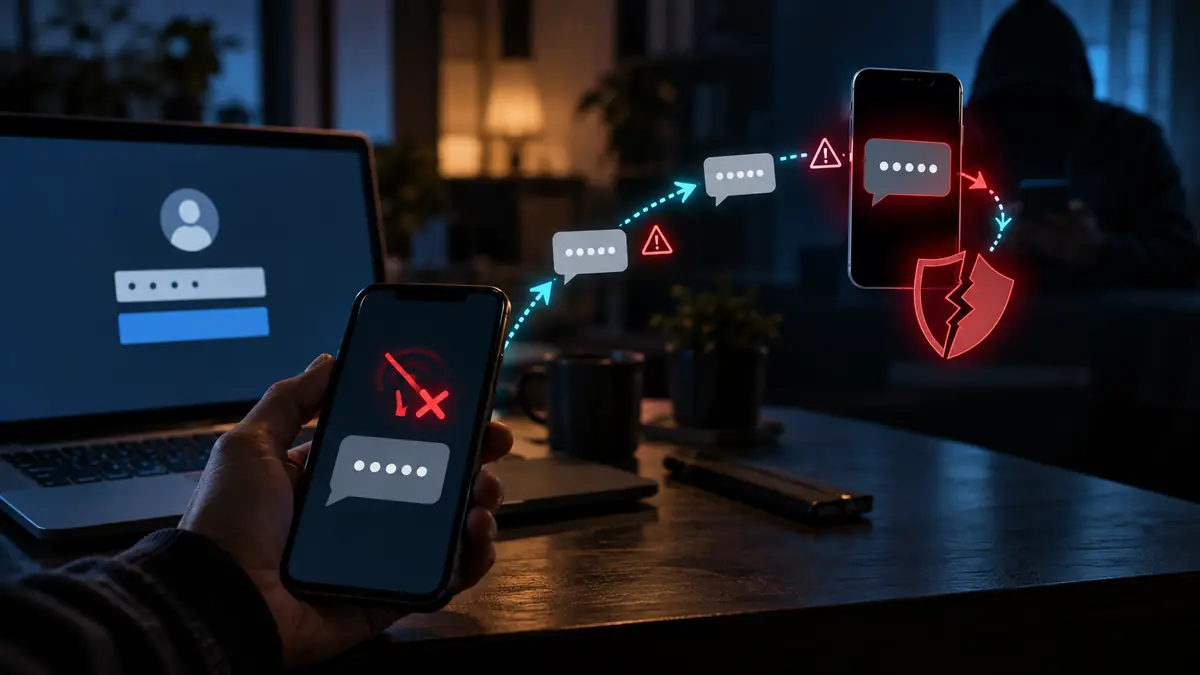
From that moment, every two-factor authentication code sent to your phone goes to them instead of you. A SIM swap attack turns your own phone number, the thing most of your accounts trust to prove it is really you, into the attacker’s tool.
Your phone number is the recovery key to almost every account you hold, banking, email, social media, and protecting it is one of the highest-impact security steps available to you.
This post explains how SIM swap attacks deceive carriers, how they bypass the two-factor codes you rely on, and how to protect your number before it happens to you. This connects to the broader guide on how your money is targeted online.
How Do SIM Swap Attacks Actually Deceive Carriers?
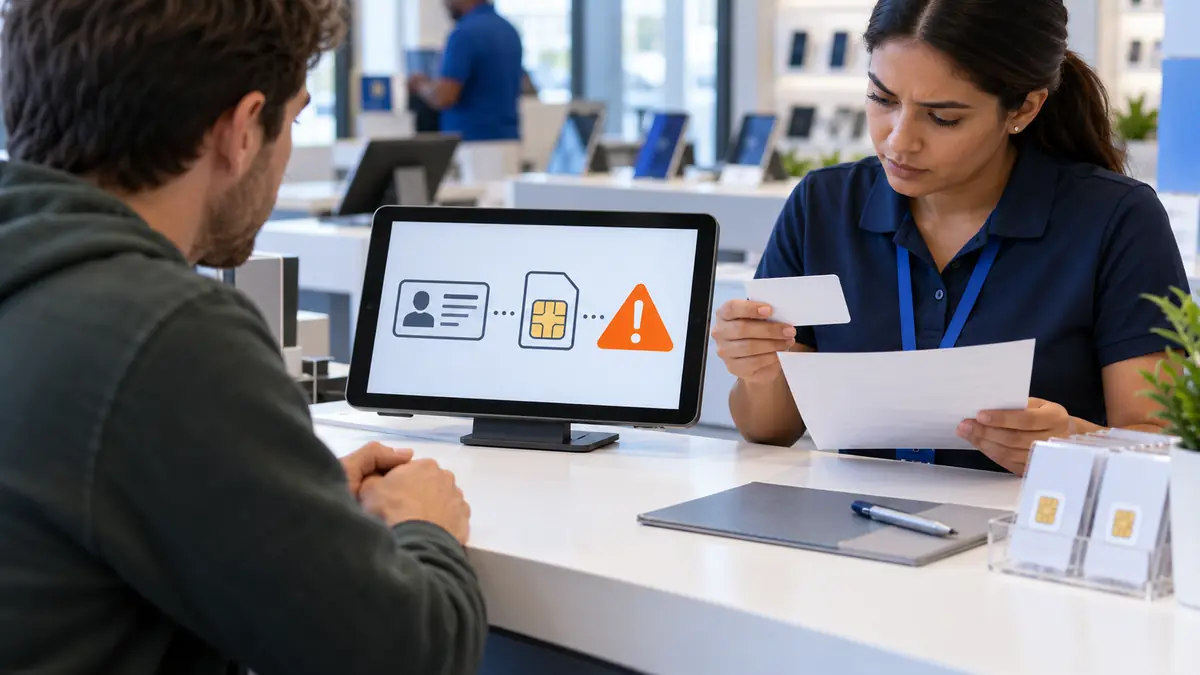
An attacker gathers enough personal information about you first, often from data breaches, social media, or a phishing message, to convincingly answer a carrier’s identity verification questions over the phone or in a store.
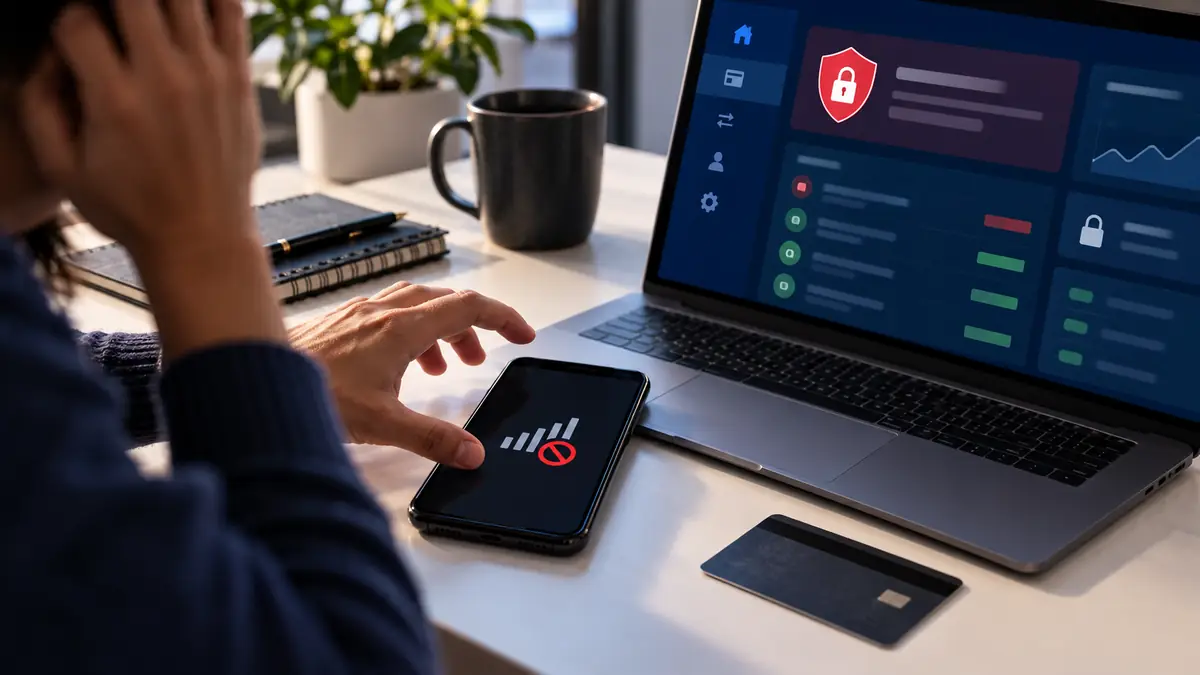
Convinced they are speaking with the account holder, the carrier transfers your number to a new SIM card the attacker controls. Your phone loses signal entirely, often the first sign anything is wrong, though by then the transfer has already completed.
SIM swap attacks rose 20% year over year in 2025, with documented cases of criminals calling carrier customer service directly, then using the two-factor intercepts that followed to drain bank and crypto accounts, according to ThreatMark’s 2025 research. The FCC’s guide to protecting your phone number covers the carrier-side protections that close off this exact attack.
Insider assistance at the carrier level accounts for a meaningful share of documented cases too, where an attacker bribes or colludes with a carrier employee directly rather than relying on social engineering alone, bypassing identity verification altogether. This is one reason carrier-side protections, while important, are not a complete guarantee, and why layering additional protections on your own accounts matters just as much.
India’s Department of Telecommunications has tightened SIM replacement rules specifically in response to this pattern, requiring stronger in-person verification for duplicate SIM issuance, though a determined attacker with enough harvested personal detail can still occasionally work around a specific store or agent’s verification process, which is why relying solely on carrier-side protection remains a genuine gap rather than a complete solution.
Why Does This Bypass the Two-Factor Codes You Rely On?
Two-factor authentication built around SMS codes assumes that only you can receive texts sent to your number. A SIM swap breaks that assumption entirely, since the number itself, not just the SIM card in your specific phone, has moved to the attacker.
Once they control your number, resetting your email password becomes straightforward, since most email providers offer an SMS-based recovery option. From your email, an attacker can then reset passwords across nearly every other account linked to that address, cascading from one compromised number into full account takeover.
Account takeover fraud losses hit 2.9 billion dollars in 2025, the fastest-growing fraud category tracked, with the takeover rate itself increasing roughly 30% annually, according to Security.org’s research.
Cryptocurrency accounts are particularly attractive targets in a SIM swap attack specifically because, unlike a bank transfer, a completed crypto transaction generally cannot be reversed or clawed back through any dispute process, which is part of why SIM swap attackers frequently prioritise crypto-holding victims when selecting a target from a list of harvested personal details.
Attackers often research a target before attempting the swap, checking public social media for job titles or cryptocurrency-related posts specifically, since this reconnaissance lets them prioritise victims likely to hold significant, hard-to-recover assets over a broader, less targeted list of phone numbers.
What Are the Warning Signs You’ve Been SIM Swapped?
Sudden, complete loss of phone signal, with no calls, texts, or data working, when you have not changed carriers or phones yourself, is the clearest immediate sign.
Unexpected account lockouts across email, banking, or social media, arriving in quick succession, often mean an attacker is actively working through your linked accounts while your number is still in their control.
Notifications about SIM card changes or account recovery requests you did not initiate, even if you catch them before losing signal entirely, are worth acting on immediately rather than dismissing as a glitch.
A sudden inability to send or receive standard verification texts from your own bank or a familiar service, when everything else about your phone seems to be working normally, deserves the same urgency as a complete signal outage, since some SIM swap attempts only affect specific number-routing functions rather than knocking out the phone entirely.
A second phone or a family member’s number, checked separately from your own, can confirm whether an outage is a genuine network issue or something specific to your account, and that distinction matters because a real SIM swap in progress rewards speed far more than a carrier fault ever would.
How Do You Protect Your Number Before It Happens?
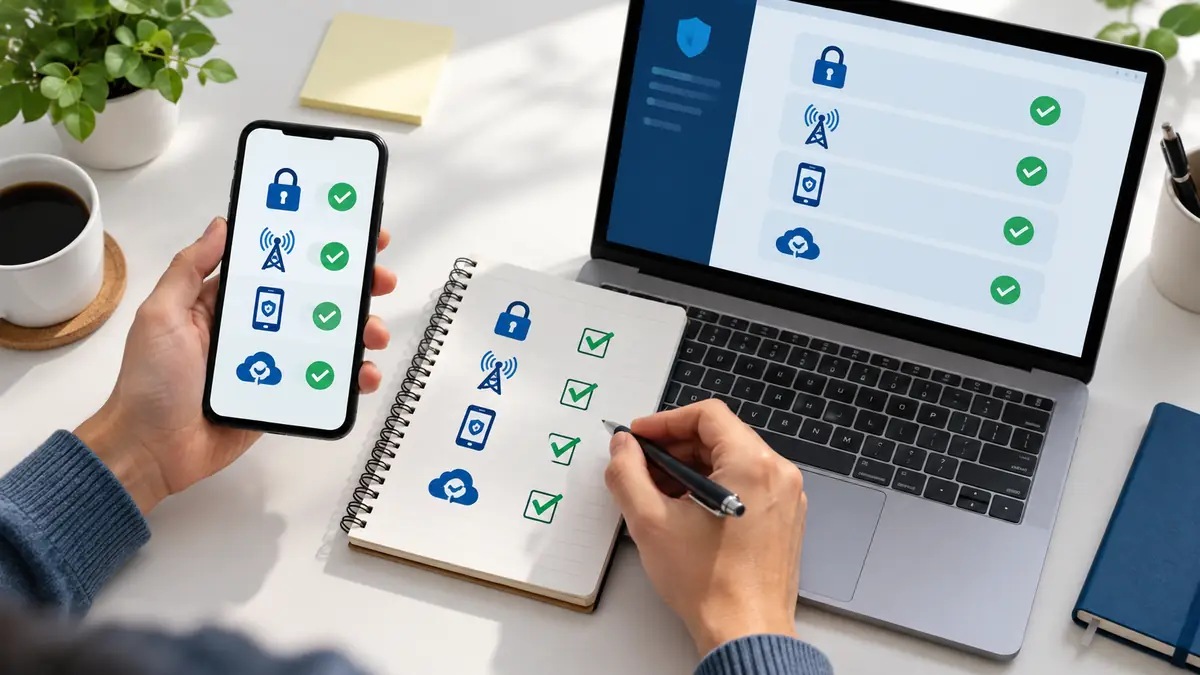
Add a PIN or additional verification requirement directly with your mobile carrier for any SIM changes or number transfers, a setting most carriers offer but few customers proactively enable.
Move away from SMS-based two-factor authentication where possible, switching to an authenticator app instead, since app-based codes are not affected by a SIM swap at all.
Use a password manager and unique passwords across accounts, since a SIM swap becomes far less catastrophic if your email password alone cannot cascade into every other account you hold. This connects directly to why one weak password can cost you everything and to how to set up a password manager today. If you suspect you have already been targeted, here is exactly what to do when an account has been hacked.
Worth reading further: the Department of Telecommunications’ Sanchar Saathi platform, the FBI’s IC3, and the FTC’s consumer protection guidance.
Frequently Asked Questions
How quickly can a SIM swap drain my accounts?
In documented cases, attackers have moved from initial number transfer to draining linked financial accounts within minutes, which is why acting the moment you lose signal unexpectedly matters more than waiting to see if it resolves itself.
Does adding a carrier PIN completely prevent SIM swapping?
It significantly raises the difficulty, though not entirely, since some attacks succeed through insider access or social engineering that bypasses the PIN requirement itself. Combining a carrier PIN with app-based two-factor authentication offers stronger protection than either alone.
Your phone number is the recovery key to almost every account you own, and protecting it directly is one of the highest-impact security steps available.
Call your carrier today and add a PIN requirement to any changes on your account. It takes minutes and closes one of the easiest paths an attacker has into your entire digital life, and it is a step almost nobody takes until after something has already gone badly wrong for them personally.
If this was useful, share it with someone who needs to know.