
You are checking out online and a new option appears: split this into four interest-free payments. It feels like the responsible choice, smarter than putting the whole amount on a card at once. It is also exactly how BNPL shadow debt begins, one convenient split payment at a time.
It is not a payment feature. It is a credit product, and the difference matters more than the interface lets on.
Buy Now, Pay Later apps have spread across Indian and global checkout pages in a few short years, and BNPL shadow debt now accumulates quietly across multiple providers, each one invisible to the others.
This post explains how BNPL exploits the psychology of immediate possession, why the debt is harder to track than a credit card, and how to see your real total before it becomes unmanageable. For the full section overview, see the full guide to dark patterns.

How Does BNPL Actually Create Invisible Debt?
Each BNPL provider only shows you what you owe them specifically. LazyPay shows its balance. Simpl shows its balance.
A separate app-based BNPL provider shows a third balance. None of them shows you the combined total across all three.
This fragmentation is structural, not accidental. A single credit card gives you one statement and one running total. Splitting purchases across three or four BNPL providers gives you three or four separate, smaller-looking numbers that feel far less alarming individually than their sum actually is.
The US Consumer Financial Protection Bureau issued guidance in 2025 classifying BNPL products as credit cards under the Truth in Lending Act, requiring the same dispute rights and disclosures as traditional cards. The ruling followed documented cases of consumers accumulating multiple simultaneous BNPL debts without any consolidated view of what they actually owed in total.
Because BNPL approval typically happens instantly at checkout, based on a lightweight credit check rather than the fuller review a traditional loan application would require, it is structurally easier to accumulate several simultaneous BNPL commitments in a single shopping session than it would be to open several credit cards in the same afternoon.
Marketplace platforms have started embedding BNPL directly into product recommendation flows too, suggesting a higher-priced item specifically because the instalment amount looks affordable, rather than presenting BNPL only as a payment method after a product has already been chosen. This shifts BNPL from a convenience offered at checkout to an active influence on what gets purchased in the first place.
Why Does This Exploit Immediate Possession So Effectively?
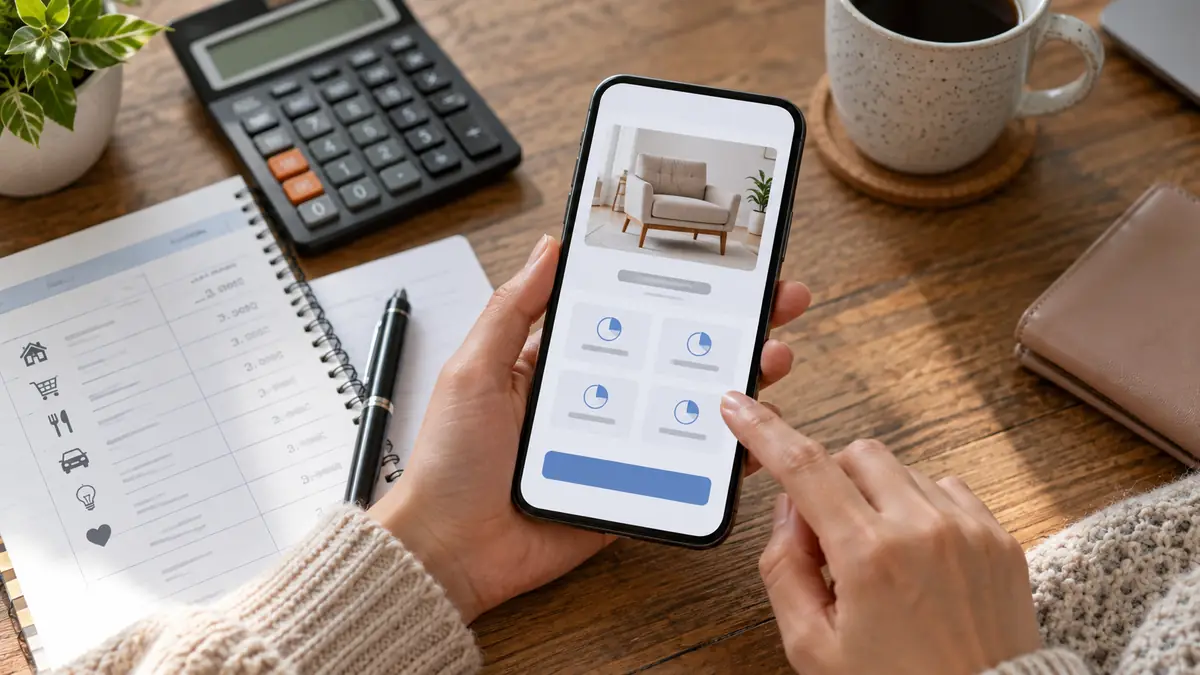
BNPL removes the moment of financial discomfort that normally accompanies a purchase. You get the product today. The cost is broken into pieces small enough that each individual payment barely registers as spending.
This mirrors the mechanics behind gambling platforms designed to keep users hooked. Both separate the moment of commitment from the moment of consequence, making the immediate action feel far lighter than its eventual total. High-risk trading apps use a related mechanic, presenting stock or options trading through the same swipe-based, gamified interface as a casual mobile game, which blurs the line between investing and playing.
BNPL usage among consumers with subprime credit scores grew 42% between 2024 and 2025, with average outstanding balances rising to 1,200 dollars per user, frequently held simultaneously across three or more providers, according to the CFPB’s BNPL Market Report.
The instalment amount itself is calibrated to feel psychologically trivial, a quarter of a purchase price framed against a weekly or fortnightly budget rather than the full price framed against a single moment, a reframing that changes how the same underlying cost is actually experienced without changing the number itself.
India’s BNPL market has grown rapidly through app-based lenders integrated directly into e-commerce and food delivery checkouts, and the Reserve Bank of India has moved to bring these products under closer digital lending oversight specifically because the instant, low-friction approval process common across these apps left many first-time borrowers without a clear understanding of the credit terms they had actually agreed to.
What Are the Warning Signs of BNPL Shadow Debt Building Up?
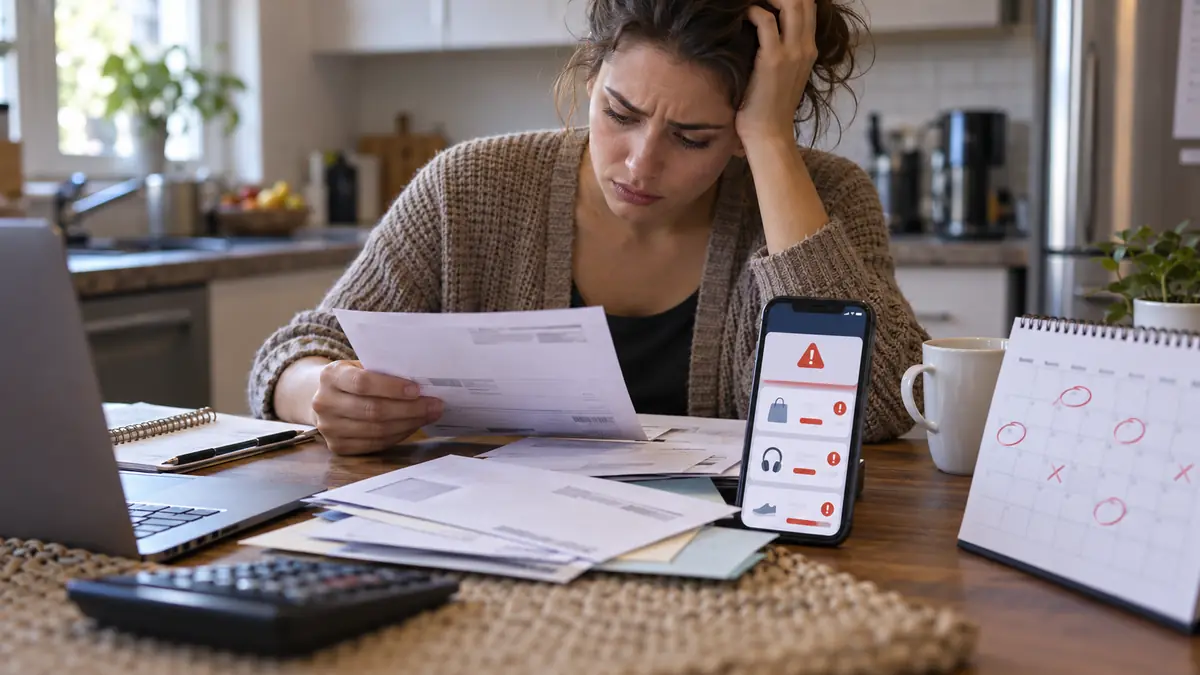
Using more than one BNPL provider at the same time is the clearest warning sign. Each additional provider makes your true total harder to see, not just harder to pay.
Watch for interest rates and fees that only appear after a missed instalment. Many BNPL agreements advertise “interest-free” prominently while burying late fees, and in some cases retroactive interest, deep in terms most users never fully read.
Notice whether BNPL purchases have started covering everyday essentials, groceries, fuel, small daily expenses, rather than occasional larger purchases. That shift often signals that BNPL is being used to manage cash flow shortfalls rather than genuine convenience.
Watch too for a pattern of taking out a new BNPL agreement specifically to cover an instalment due on an existing one, a rolling structure that closely resembles the debt cycle seen in payday lending, even though BNPL is rarely marketed or regulated with that comparison in mind.
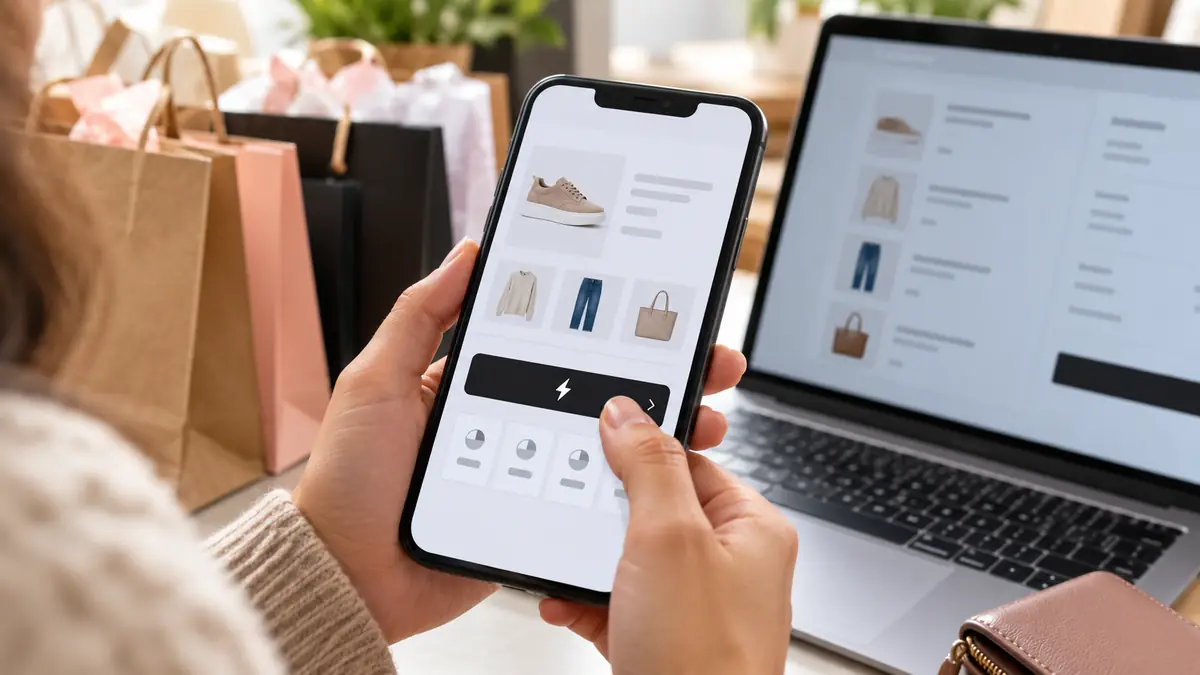
How Do You Get a Real Picture of What You Owe?
List every BNPL provider you currently use in one place, along with each outstanding balance and due date. This single step, done manually if the apps will not do it for you, is often the first time the real total becomes visible.
Check your credit report periodically. As BNPL products are increasingly classified alongside traditional credit, more providers now report to credit bureaus, meaning missed payments can affect your credit score in ways that were less common just a few years ago.
Treat a BNPL offer at checkout the same way you would treat a credit card application: worth pausing on, not something to accept reflexively because the interface presented it as the easy default option. This connects to the wider pattern of subscription traps and hidden charges, where the true ongoing cost is deliberately harder to see than the upfront one.
These resources go deeper on this topic: the Consumer Financial Protection Bureau, the Reserve Bank of India’s guidance on digital lending, and the FTC’s consumer protection guidance.
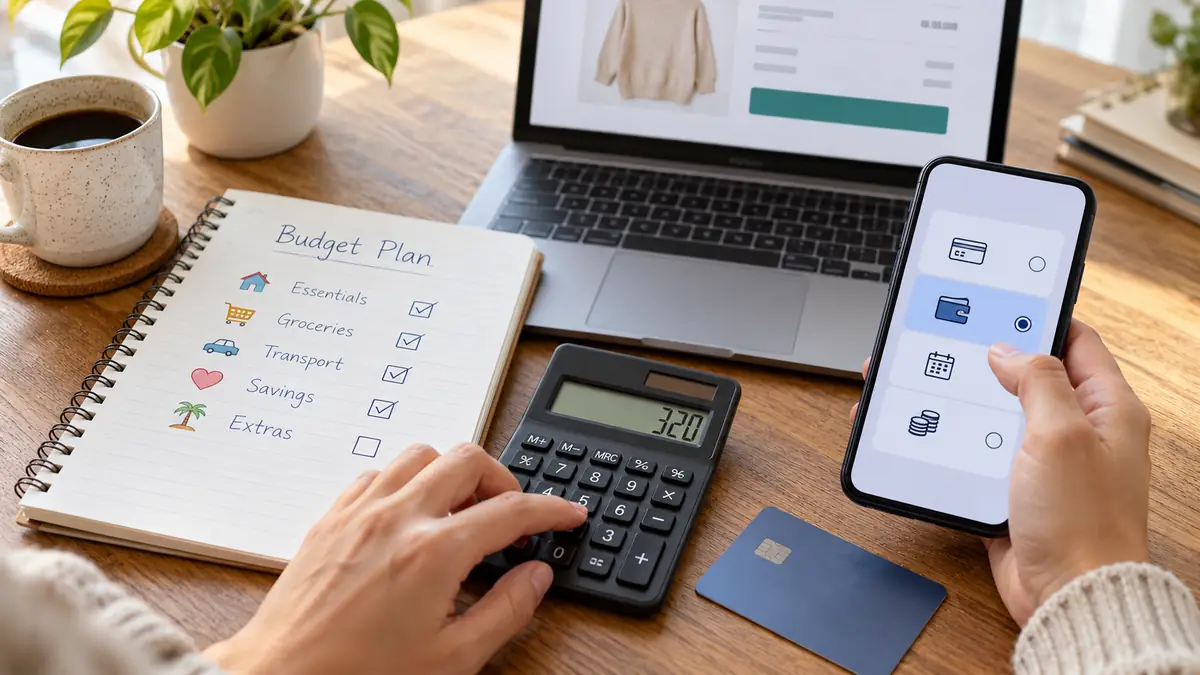
Frequently Asked Questions
Does using BNPL affect my credit score?
It increasingly can. As regulators classify BNPL closer to traditional credit, more providers report repayment activity, including missed payments, to credit bureaus, which can affect your score the same way a credit card would.
Is it safe to use more than one BNPL provider at once?
It is legal, but risky, specifically because no single provider shows you your combined total across all of them. Tracking every balance yourself is the only reliable way to avoid the debt becoming larger than you realise.
BNPL shadow debt feels like a payment feature at the checkout screen. It is a credit product everywhere else, and the instalments stack in places no single app will show you.
List every BNPL balance you currently carry today, in one place, and look at the real total before your next purchase, since the combined figure is usually larger than any single instalment made it feel, and seeing it all together in one place is often the first genuine reality check most people give themselves.
If this was useful, share it with someone who needs to know.