
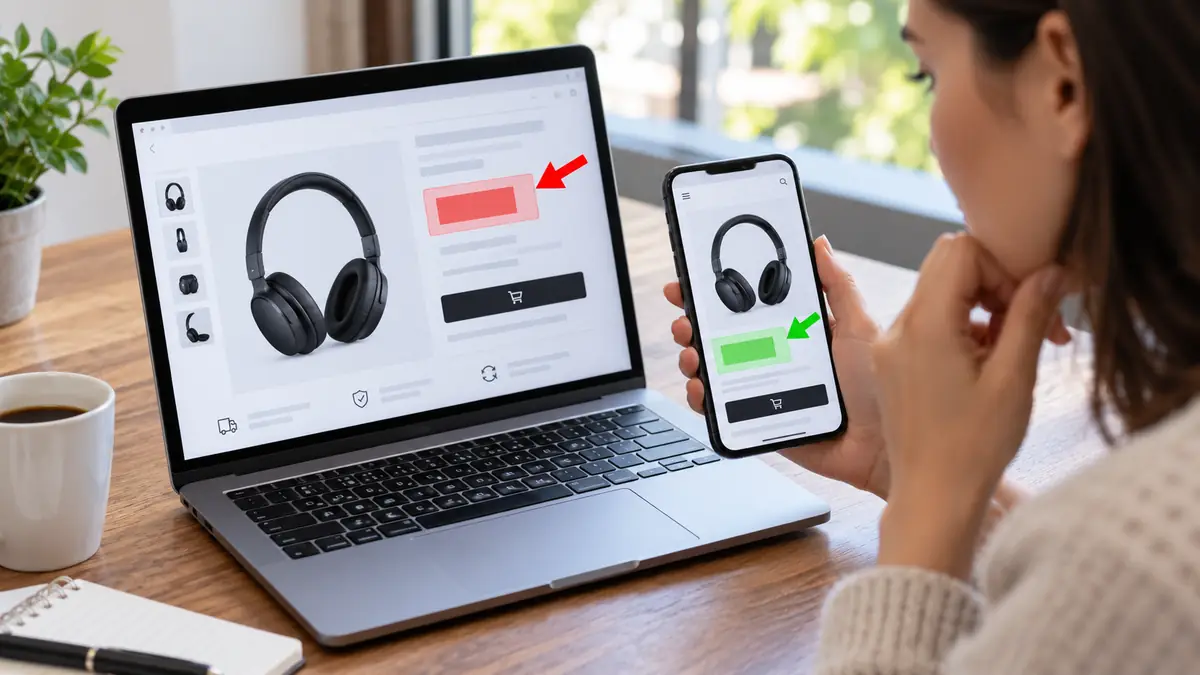
Two friends search for the same hotel room, at the same time, for the same dates. One searches on an iPhone, the other on an Android phone. The prices are different, and neither of them knows the other is even looking. Drip pricing dynamic pricing tactics are working quietly in the background of that search, adjusting the number before you even see it.
This is drip pricing dynamic pricing at work, and it is far more common across e-commerce than most shoppers realise.
The price you see is not the lowest price available. It is the price the platform’s algorithm has calculated you would personally accept, based on your device, your location, your browsing history, and sometimes how many times you have already viewed the same item.
This post explains how dynamic pricing and drip pricing actually work, how fake reference prices are manufactured, and how to shop in a way that protects you from both. This connects to the broader guide on the full guide to dark patterns.
How Does Dynamic Pricing Actually Decide What You See?
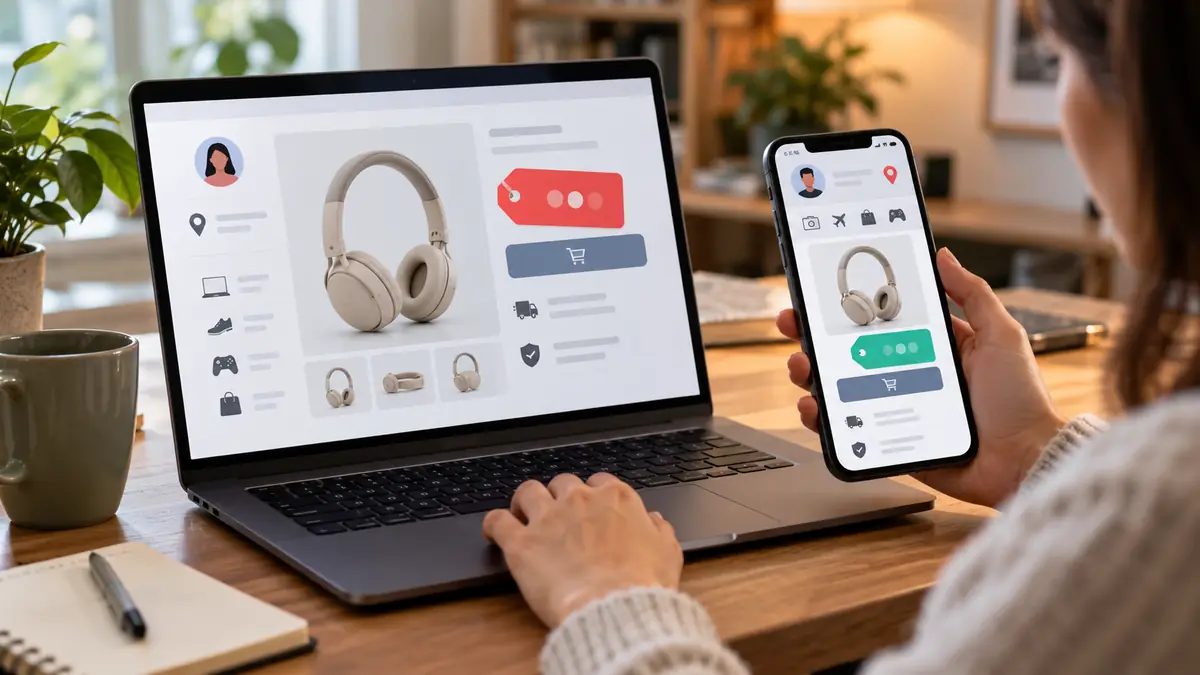
Dynamic pricing systems adjust the displayed price in real time using dozens of signals: your device type, your general location, the time of day, how frequently you have visited the page, and even whether you arrived through a search engine or a direct link.
A BBC investigation found that identical hotel rooms varied in price by up to 15% depending purely on whether the search was made from an iPhone or an Android device, with no difference in the room itself. Wider research into e-commerce dynamic pricing found identical products varying by 30 to 40% based purely on these browsing signals.
Search result placement compounds this. Paid placements are shown disguised as organic rankings on many shopping platforms, meaning the “top result” for a search is frequently the listing that paid the most, not the one that offers the best price or quality.
Time of day and day of week can shift prices too, particularly for travel and event bookings, where algorithms adjust based on aggregate demand patterns rather than anything specific to an individual shopper. This form of dynamic pricing is less personally targeted than device or location based pricing, but it produces the same practical effect: the number on screen reflects a calculated prediction of what the market will bear at that moment, not a fixed, stable value.
Repeated visits to the same listing can themselves influence the price shown, since some platforms interpret a returning visitor as someone close to purchasing and adjust pricing upward slightly on the assumption that continued interest signals lower price sensitivity, the opposite of the loyalty discount most shoppers might reasonably expect.
Cart abandonment triggers a further layer of pricing behaviour on many platforms. Leave an item sitting in your cart for a day or two and a discount code sometimes arrives by email or push notification, specifically calibrated to bring you back to complete a purchase you had already shown strong intent to make, which means the “special offer” was often available to you the entire time, simply withheld until hesitation made it worth offering.
What Is Drip Pricing and Why Does It Feel Like a Bait and Switch?
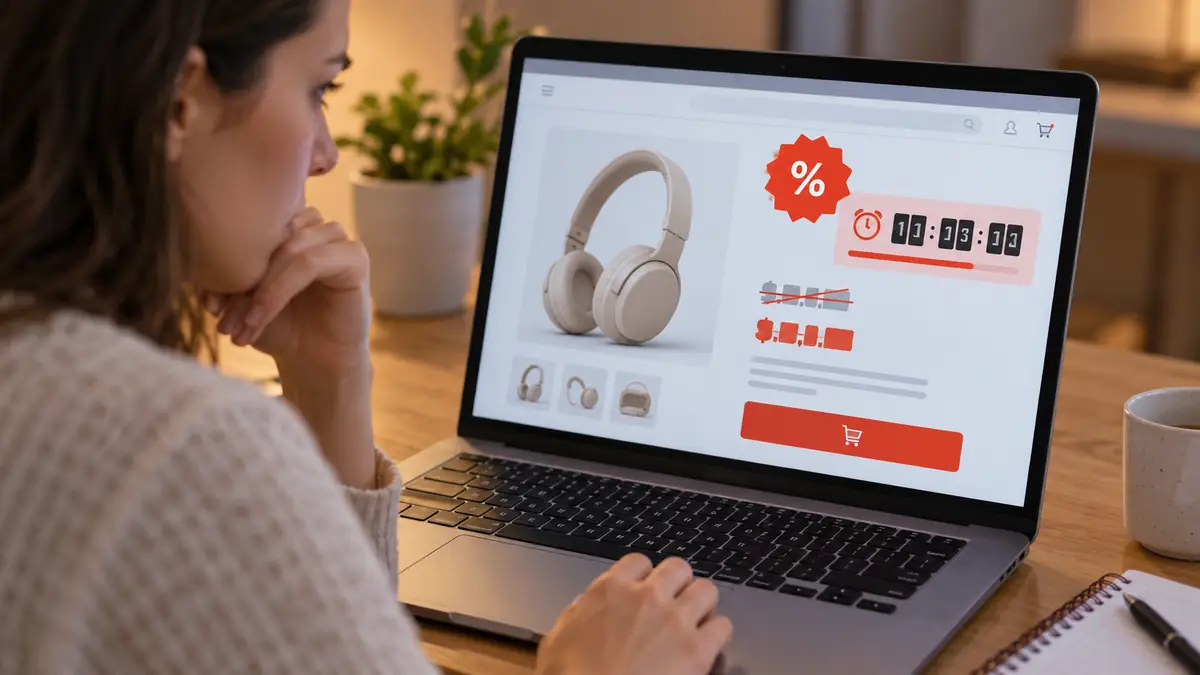
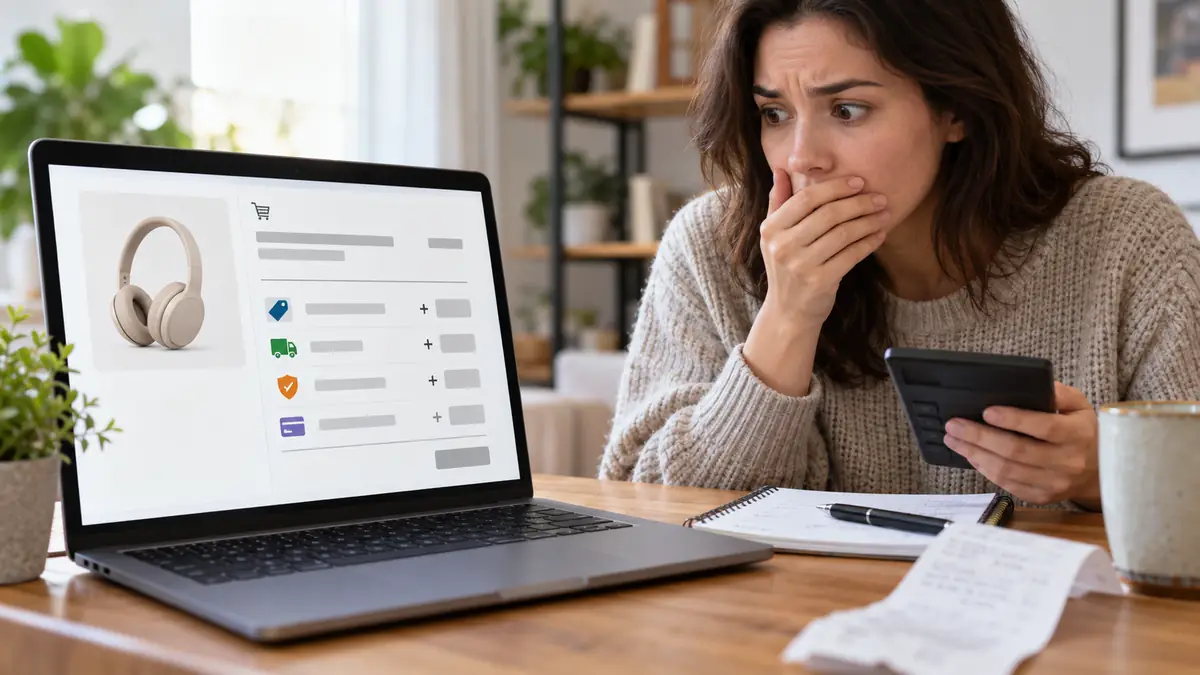
Drip pricing shows you an attractively low base price at the start of your search, then adds fees, service charges, taxes, and delivery costs one screen at a time, only fully visible at the final checkout step.
By the time all the fees appear, you have already invested time browsing, comparing, and mentally committing to the purchase. Abandoning the checkout now feels like wasted effort, even though the true price was never the number you started with.
The UK’s Competition and Markets Authority estimated that drip pricing costs UK consumers roughly 2.2 billion pounds annually, and launched formal investigations into the practice across major ticketing and travel platforms in 2025. Indian online travel and event ticketing platforms use the same structure, a low headline fare followed by convenience fees, taxes, and processing charges added sequentially through the booking flow. Deceptive.design’s pattern library documents named real-world examples of drip pricing and fake reference prices.
How Can You Spot a Fake Discount or Manufactured Reference Price?
A crossed-out “original price” is only meaningful if that price was genuinely charged for a sustained period before the sale. Many reference prices are raised specifically in the days before a sale event so the discount looks larger than it is.
Use independent price history tools that track a product’s actual price over months, not just the number displayed today. On several Indian e-commerce platforms, prices quietly rise in the weeks before major festival sales, then drop back to roughly their normal level during the event itself, dressed up as a discount.
Check the same product on a second platform or in a private browsing window with no login. If the price changes meaningfully between the two, dynamic pricing based on your profile, not genuine scarcity, is very likely the explanation.
Cross-check a suspicious reference price against a browser extension or independent price-history site built specifically for the platform you are shopping on, since these tools track the actual price over months and make an inflated “original price” immediately obvious rather than requiring you to remember it yourself.
Loyalty programme pricing deserves the same scrutiny, since a “member price” is sometimes simply the standard price offered to everyone, dressed up as an exclusive benefit specifically to make signing up and sharing more personal data feel like a genuine trade rather than a one-sided exchange.
What Can You Actually Do to Shop More Protected?
Search in a private or incognito browser window with location services turned off before comparing prices seriously. This removes much of the personalisation that dynamic pricing relies on to calculate what you specifically might accept.
Wait until the final checkout screen shows the true total before deciding whether a deal is genuinely worth it, and compare that final total, not the headline price, across platforms.
Counterfeit products sold through otherwise legitimate marketplace platforms are a related risk worth checking for separately, particularly on unusually steep discounts for branded goods. Verify seller ratings and read recent reviews specifically for authenticity concerns before buying.
This pattern connects closely to manufactured urgency and artificial scarcity tricks, which are frequently layered on top of dynamic pricing to push a decision before you have time to compare, and to fake reviews used to manufacture credibility around the same listings. Also review the seller’s domain and site legitimacy before entering payment details on any unfamiliar platform.
Worth reading further: the FTC’s rule on junk fees and drip pricing, the Consumer Financial Protection Bureau, and the EU’s consumer protection guidance.
Drip pricing dynamic pricing means the price you see was calculated to be the price you would accept, not the lowest one genuinely available.
Before your next online purchase, open the listing in a private browser window and see how much drip pricing dynamic pricing actually changes. The gap tells you exactly how personalised that price really was, and whether the “deal” was ever genuinely aimed at you specifically.
If this was useful, share it with someone who needs to know.