

A message arrives out of nowhere: you have won a lottery you never entered, or been personally selected for an exclusive investment scam dressed up as an opportunity, with guaranteed returns attached.
Neither is true. An investment scam and a lottery scam are built on the same trick, dressed up two different ways, and both are constructed carefully enough that otherwise careful people transfer real money chasing them.
This post covers how a lottery, prize or investment scheme actually hooks someone, why the fees keep growing instead of ending, and the checklist that exposes almost every version before you lose anything. It is part of our wider guide to the most common online scams.
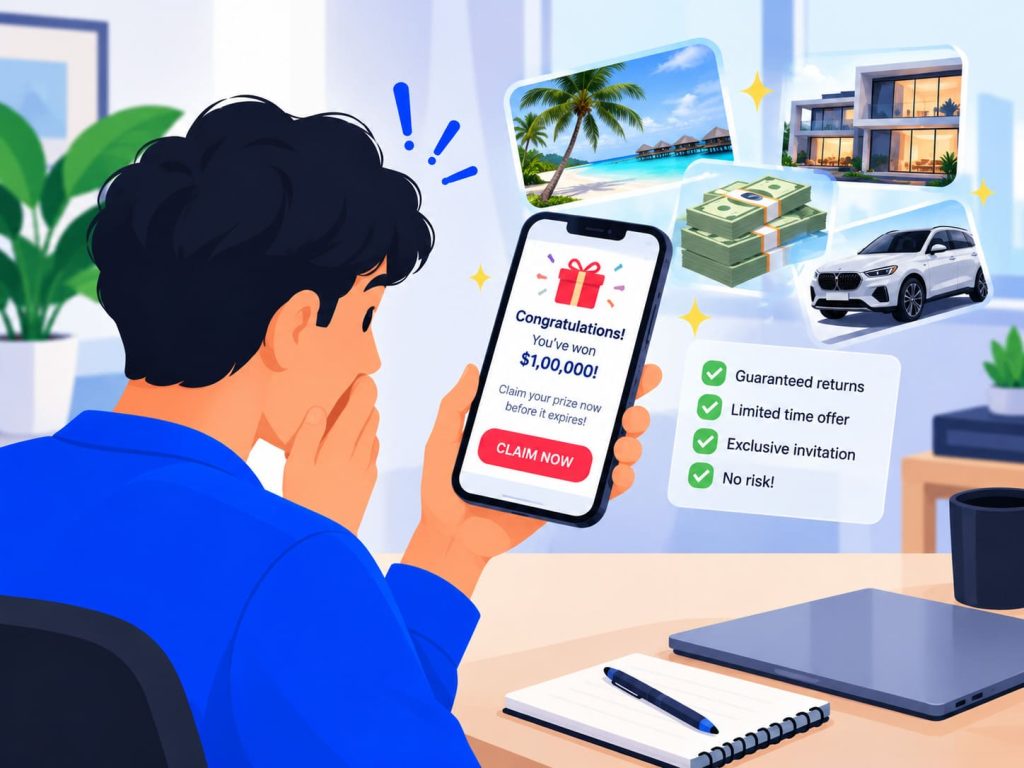
How Do Lottery and Prize Scams Hook People With False Validation?
The message tells you that you have already won: a lottery, a lucky draw run by a well-known brand, or a prize linked to a phone number selected “randomly” from millions.
Validation is the hook. Being told you have won something activates the same excitement as genuinely winning, before your judgement has had a chance to ask the obvious question: did you ever enter this at all?
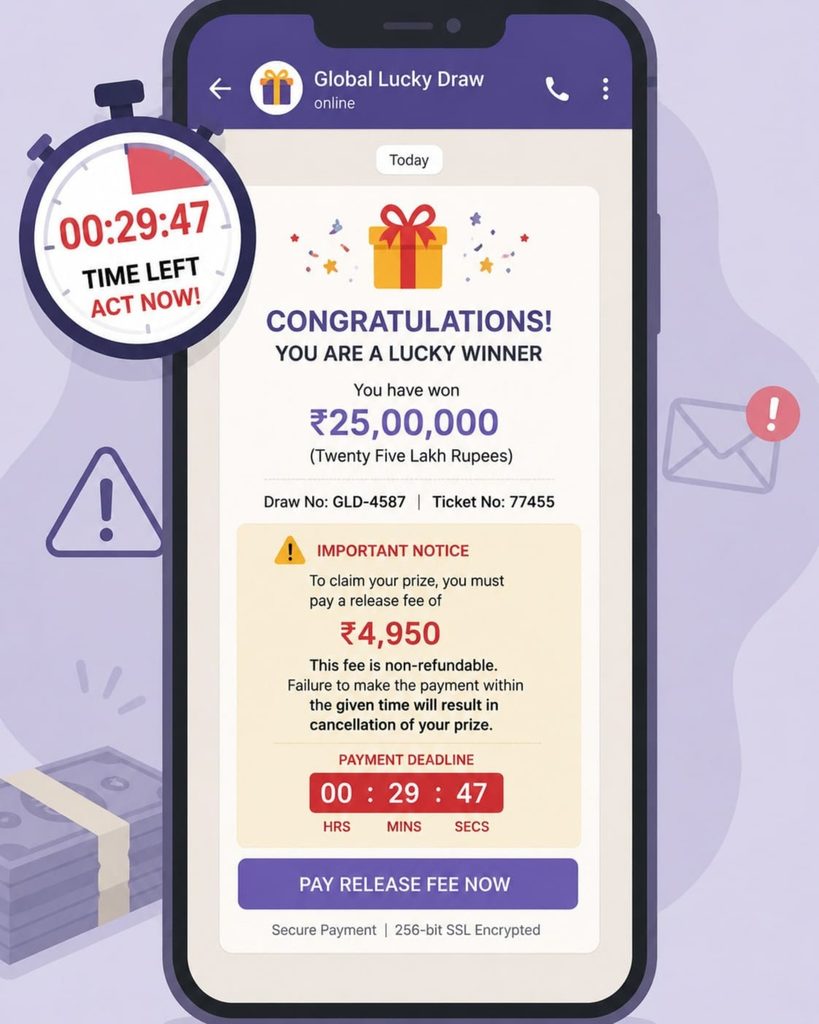
To claim it, you are asked to pay a small “processing fee,” “customs duty,” or “release charge” first. Real lotteries and prize draws never ask the winner to pay anything before releasing a prize. The fee itself is the entire product being sold.
Some versions add a countdown, a deadline by which the prize must be claimed or it is forfeited, adding pressure on top of excitement so there is even less time to stop and check.
In India, the most familiar version arrives as an SMS or WhatsApp message claiming you have won a large sum in a televised lottery or lucky draw, complete with a fake letterhead and an official-looking reference number. The payment request is usually framed as UPI processing charges or a courier fee for a certificate, since asking for a small UPI transfer draws far less suspicion than a large bank transfer would.
The scale of these messages is part of the design. The same lottery notification is sent to thousands of numbers at once, so even a tiny fraction of people paying the fee makes the entire campaign profitable for whoever is running it.
How Do Investment Scams Use Guaranteed Returns to Draw You In?
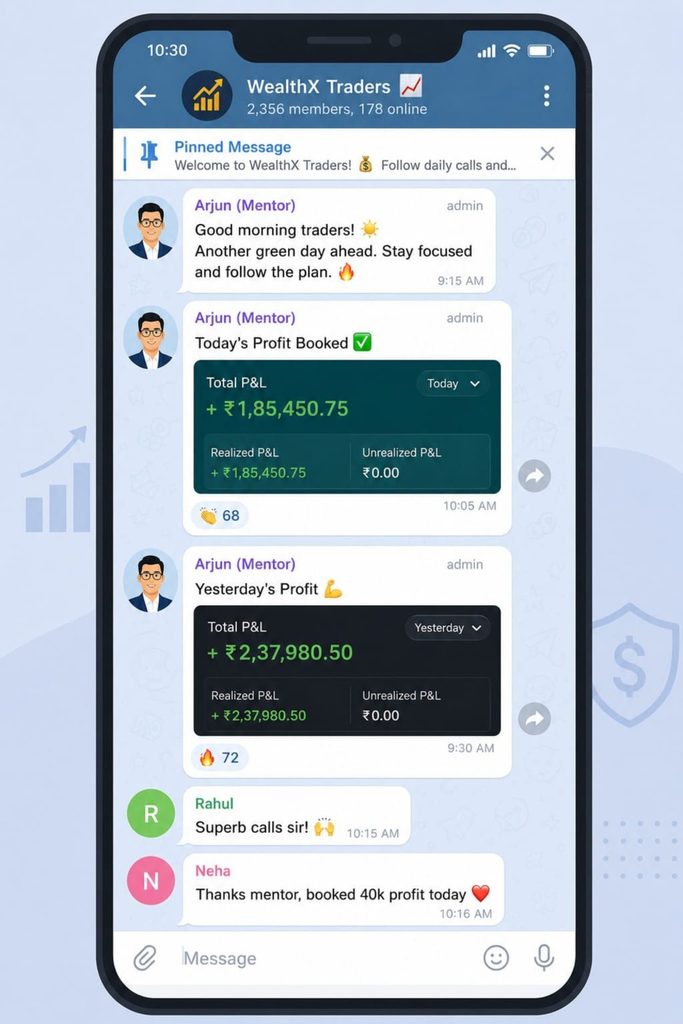
An investment scam works differently but ends the same way. Instead of a prize already won, you are shown proof of a return already earned by someone else: a screenshot, a testimonial, or a trading app with a chart climbing steadily upward.
Crypto investment scams alone drove 8.6 billion dollars in US losses in 2025, a 52 percent increase on the year before, according to the FBI’s Internet Crime Complaint Center. Forex and crypto trading groups on Telegram and WhatsApp run the same structure widely in India, often fronted by a “mentor” who shares daily screenshots of gains inside a private group. The SEC’s investor alerts track many of the same fake platforms and Ponzi structures internationally.
No legitimate investment can guarantee a fixed high return. Markets carry risk by definition, and any offer that removes that risk entirely, while still promising outsized profit, is describing something that does not exist.
Multi-level marketing structures sit at the edge of this pattern too, where the actual product is largely irrelevant and the real promise is recruiting others beneath you, a structure that collapses the moment new recruits stop joining.
Many of these schemes are structured as a Ponzi arrangement underneath the branding: early participants really are paid out, using money collected from people who join later, not from any genuine trading activity. Those early, real payouts are what get shared as proof inside the group, which is precisely why they feel so convincing to the next person being recruited.
A small first deposit is often allowed to grow and even withdraw successfully, building trust before a much larger deposit is requested. That larger deposit is where the pattern turns, since withdrawal requests above a certain size are the point at which the “returns” stop being real.
Why Do the Fees Keep Growing Instead of Ending?
The first fee is always small, deliberately so, since a small amount feels easy to risk and hard to regret later.
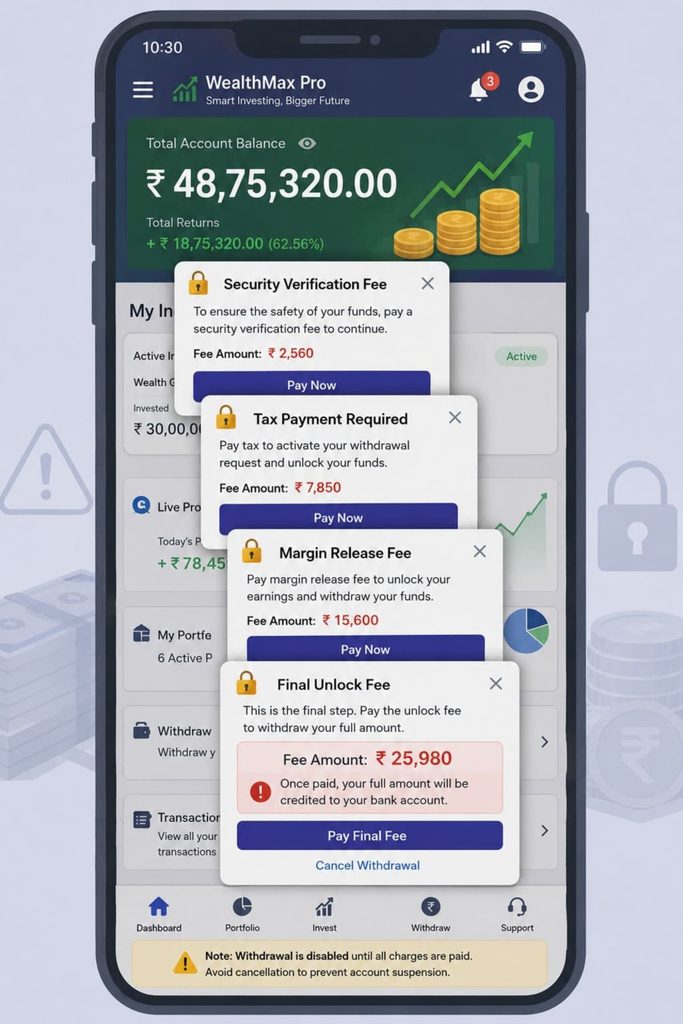
Once paid, a second request follows: a tax, a currency conversion fee, an “unlocking” charge to release a larger balance shown sitting in the account. Each new fee is framed as the very last one standing between the victim and the full amount.
This escalation relies on the same mechanism covered in our guide to the sunk cost trap: having already paid once makes stopping feel like giving up money already spent, even though nothing paid so far can be recovered by paying more.
The dashboard showing a growing balance is not connected to any real account or exchange. It is a number controlled entirely by the person running the scam, adjustable to whatever keeps a victim paying the next fee.
A second wave sometimes follows the first. Once someone is known to have already lost money to an investment scam, a fresh caller appears claiming to be a lawyer or a recovery agent who can get the funds back, for a further fee. That fee is never returned either, since the “recovery agent” and the original scam are frequently run by the same people.
What Is the Reward Red Flag Checklist?
A genuine prize never requires payment to release it. If claiming a win costs money, it is not a prize.
A genuine investment never guarantees a fixed high return with no risk. If the return is described as guaranteed, the offer is not describing a real market.
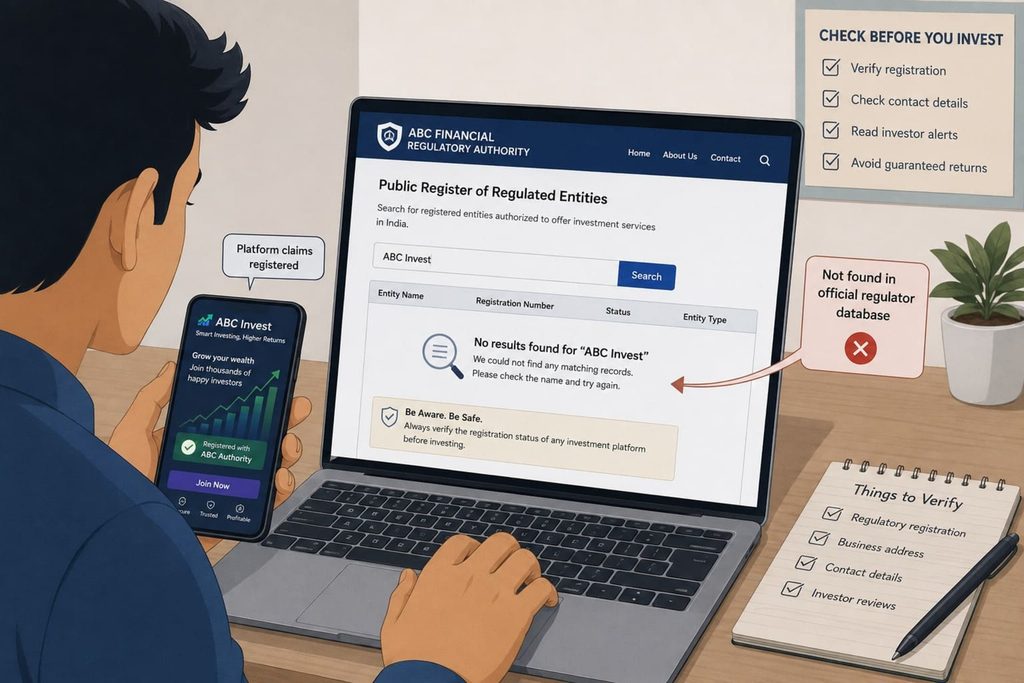
Verify any investment platform against the Securities and Exchange Board of India’s list of registered intermediaries before sending money, since SEBI maintains a public register of who is actually authorised to manage investments in India. The US equivalent, useful for offers claiming to be based abroad, is available through the SEC’s investor alerts.
If you have already paid into a scheme like this, stop immediately rather than paying to “unlock” anything further, and report it through India’s National Cyber Crime Reporting Portal or the 1930 helpline.
Our guide on what to do after losing money to a scam covers the fuller recovery process, including how much of a chance remains of getting money back once a payment has already gone through.
Frequently Asked Questions
Can a real lottery or prize ask me to pay a fee to release my winnings?
No. Genuine lotteries and prize draws deduct any applicable tax or fee from the winnings themselves. They never ask the winner to pay upfront to receive money already won.
How can I tell if an investment opportunity is a scam before I invest?
Check whether the platform or advisor is registered with SEBI, and be sceptical of any guaranteed fixed return. Real investments carry risk, and no legitimate advisor can promise otherwise.
I already paid a fee to release a prize or unlock an investment. What now?
Stop paying immediately, even if you are told one final fee will release everything. Report the payment through cybercrime.gov.in or the 1930 helpline as soon as possible.
What This Comes Down To
An investment scam and a lottery scam both work the same way underneath: a reward that feels almost real, and a fee that stands between you and collecting it.
The one question that exposes both: would a genuine prize or a genuine investment ever ask you to pay first? It would not. Treat any offer that does as the answer to whether it is real.
If this was useful, share it with someone who needs to know.


4 comments
Comments are closed.