

Common online scams rarely look like scams from the outside. A call that sounds exactly like the police. A text that sounds exactly like your bank. A message from a stranger offering triple your salary for two hours of work a day.
Underneath the different costumes, most of them run the same script.
Each one borrows a small amount of trust, fear or hope, and turns it against you before you have time to check anything.
India lost ₹22,495 crore to cybercrime in 2025 alone, across 28.15 lakh reported cases, according to the Ministry of Home Affairs. That figure is not one scam repeated. It is fourteen distinct patterns, run at industrial scale, by people who tested every line on someone else before they ever reached you.
This guide walks through all fourteen: how each one is built, why it works even on careful people, and the specific signs that expose it before you lose anything. It builds on the wider pattern covered in our guide to how scammers manipulate people.
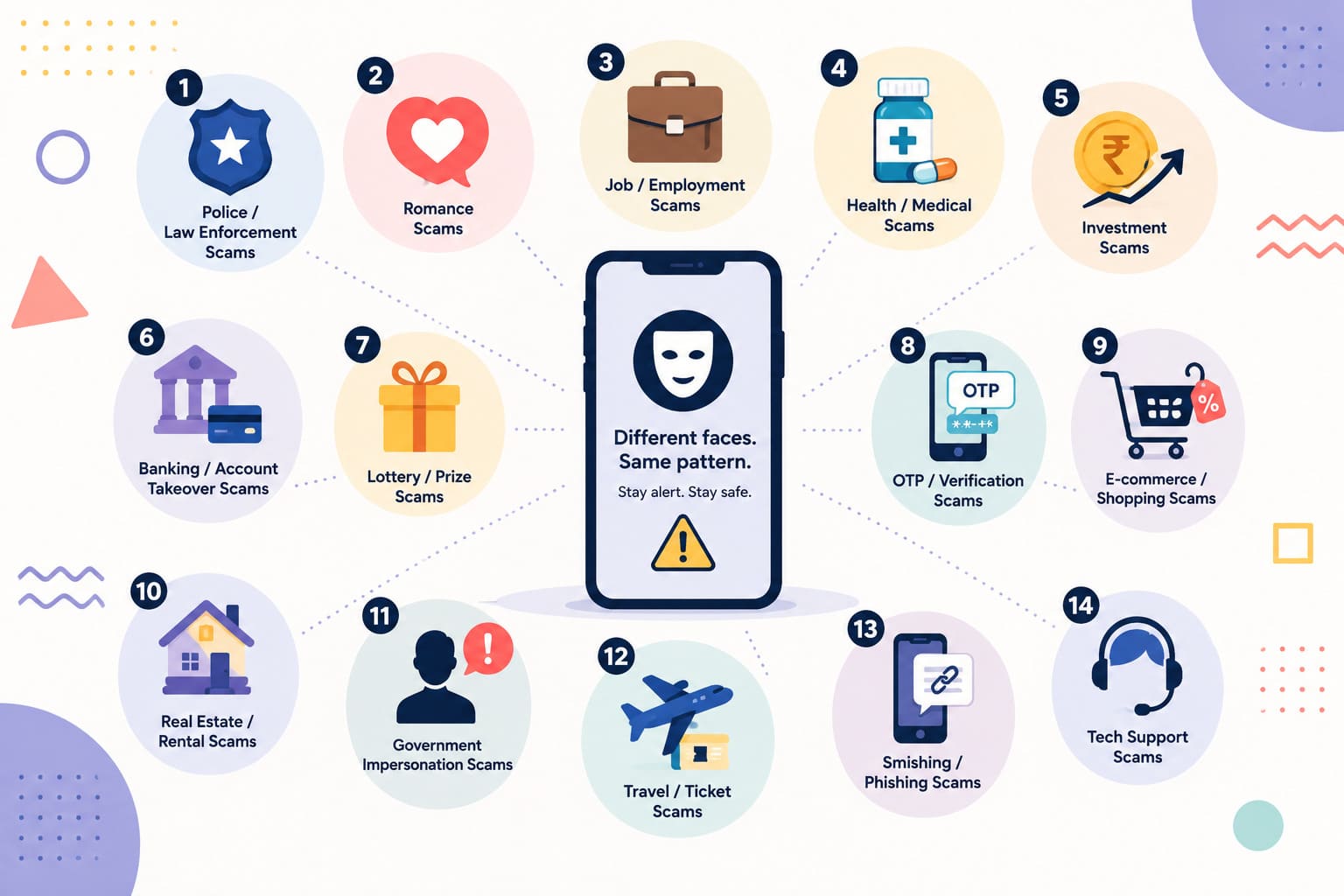
What Do All Fourteen of These Scams Have in Common?
Look past the costume and every one of these common online scams follows the same three moves.
First, a hook: a call, a text, a message that gives a plausible reason to engage. Second, an emotional lever: fear, hope, guilt, love or duty, chosen because it is the one most likely to work on that particular person. Third, isolation: some reason not to hang up, not to ask a friend, not to take the normal time to check.
According to Ministry of Home Affairs data reported to Parliament in February 2026, investment fraud accounted for 76 percent of the money lost to cybercrime in India in 2025, digital arrest scams for 9 percent, and sextortion for a further 4 percent. Different mechanisms, same underlying playbook.
None of these fourteen patterns require the criminal to be technically skilled. What they require is a script already tested on hundreds of other people, a target who has not yet had a reason to pause, and a payment channel fast enough that reversing it afterwards is nearly impossible.
That pause is the one thing every scam on this list depends on you not taking. Building the habit of taking it anyway is what the rest of this guide, and each module below, is built around.
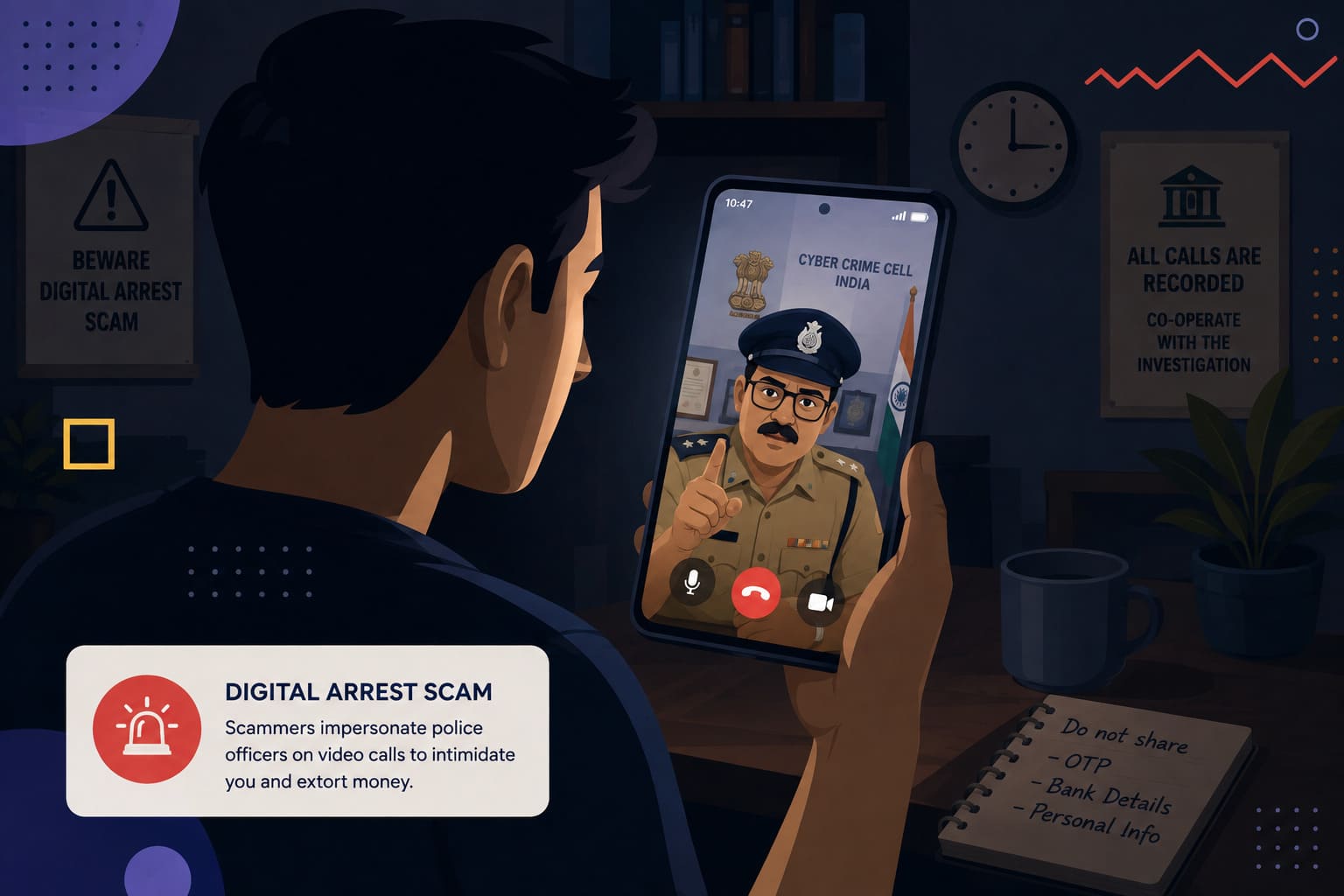
What Does a Digital Arrest Scam Actually Look Like?
Among common online scams reported to Indian cyber cells right now, this is one of the fastest-growing. The call opens with a uniform, a police ID card held to the camera, sometimes the Ashoka emblem in the background. You are told you are under investigation and must stay on video until it is resolved.
Industrialist S.P. Oswal lost ₹7 crore within two days after callers impersonating CBI officers kept him on a continuous video call, isolating him from anyone who might have told him to hang up.
India’s National Cyber Crime Reporting Portal now handles reports of exactly this scam every day, and the Supreme Court directed a pan-India CBI probe into the pattern in December 2025.
Read the full guide: Digital Arrest Scams: What They Are and How to Shut Them Down
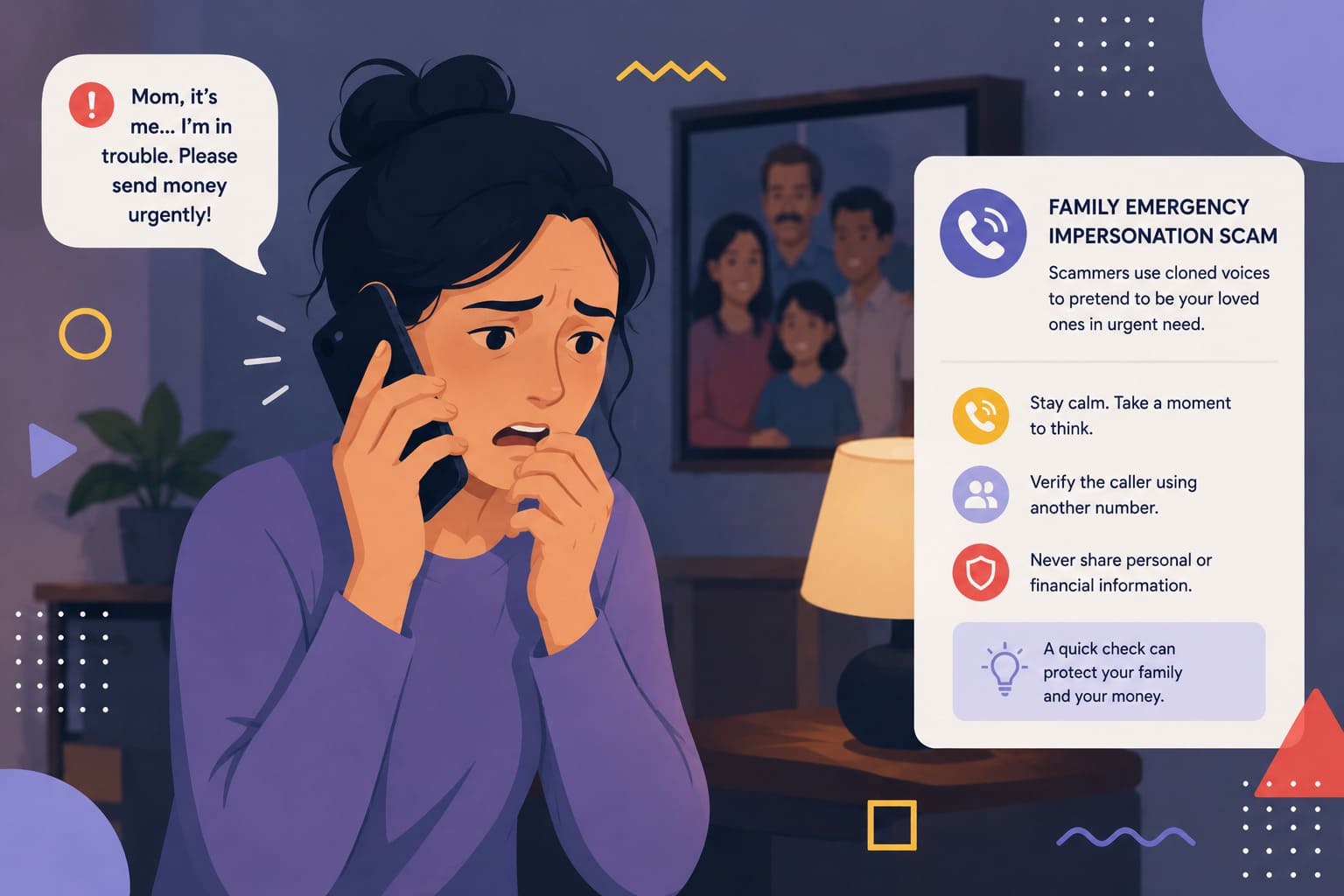
Why Does “Your Child Needs Help” Work Even on Careful People?
The voice on the phone sounds exactly like your son. Panicked, crying, saying he has been in an accident and needs money sent right now.
In the United States, AI voice cloning used in exactly this kind of family emergency call caused an estimated 124 million dollars in losses in 2025, with roughly one in four people surveyed reporting they had experienced or knew someone who had experienced a cloned voice scam.
The timing never leaves room to call your child back on their own number, which is precisely the point.
Read the full guide: “Your Family Member Is in Trouble” — How This Scam Actually Works
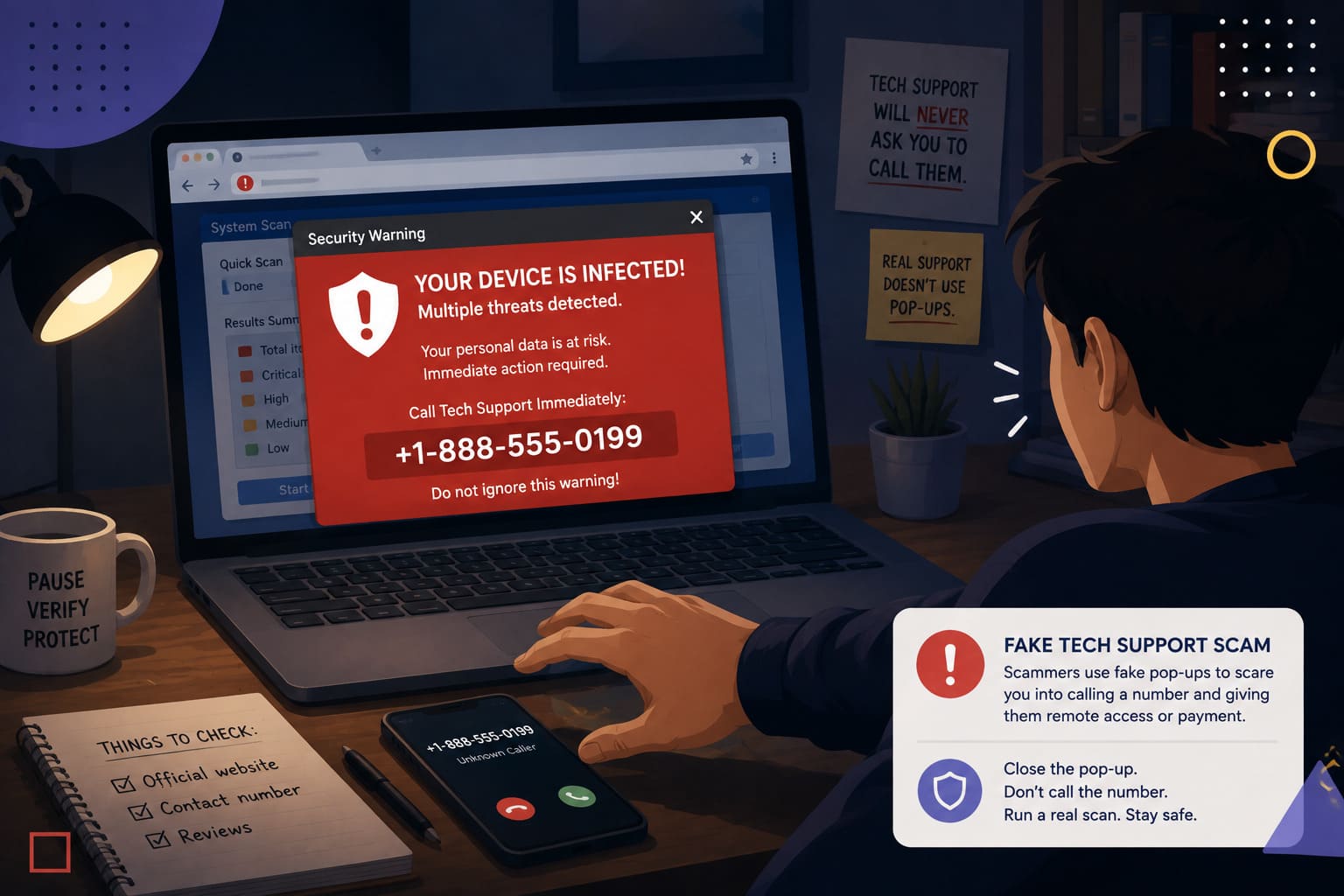
What Happens When You Call the Number in That Pop-up?
A window fills your screen: a virus has been found, do not close this window, call this number immediately.
Call it, and you are handed to someone who talks you through installing remote access software, then quietly moves through your files while pretending to fix a problem that never existed.
In the United States, tech support scams cost 1.464 billion dollars in 2025, an 87 percent rise since 2022, with people over 60 accounting for most losses, according to the AARP Fraud Watch Network.
Read the full guide: Fake Virus Warnings and Tech Support Scams: How to Recognise Them
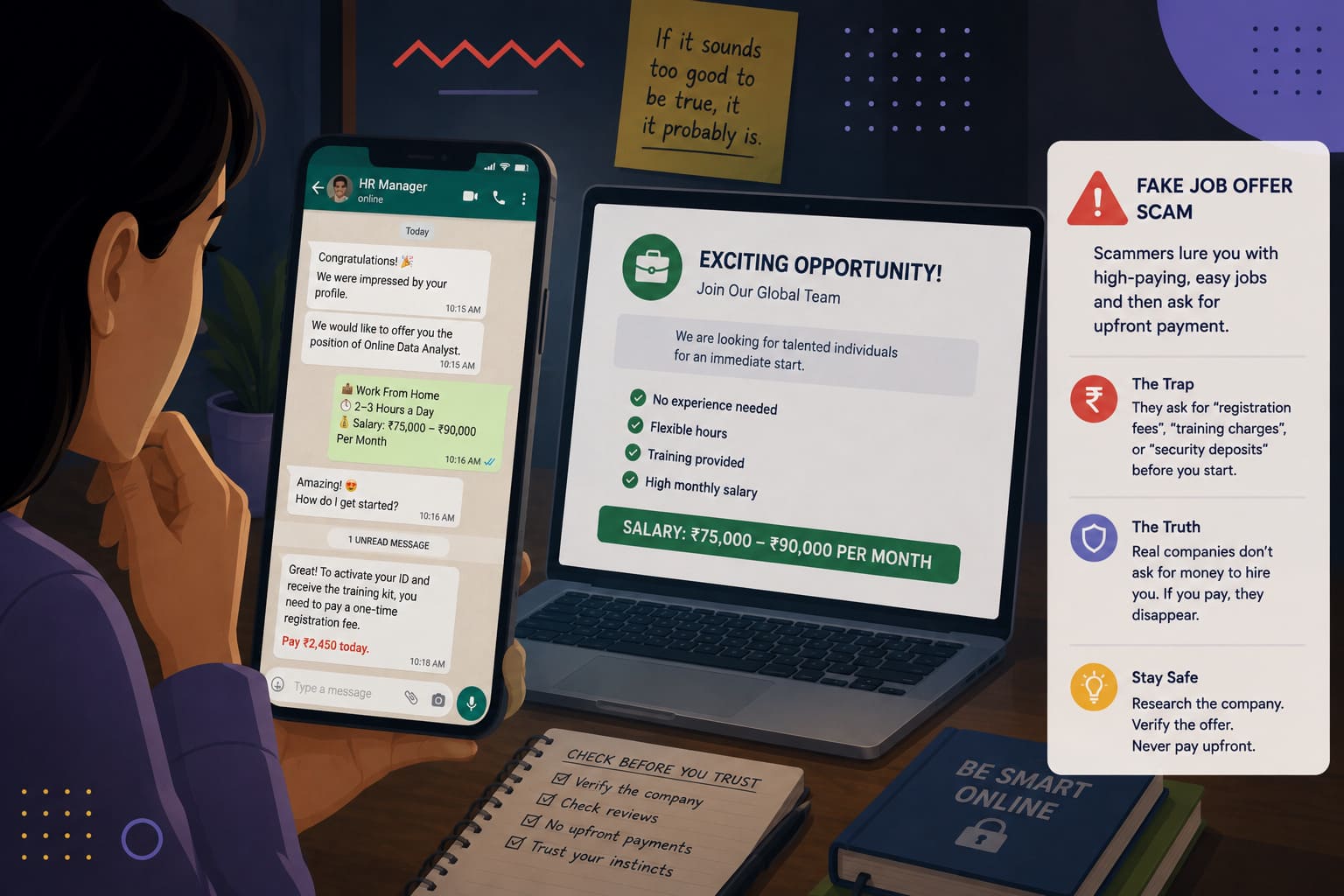
Why Do Job Offers That Pay Too Well Turn Out to Be Traps?
The message lands on WhatsApp: flexible hours, generous pay, start today. All you need to do is pay a small fee for a starter kit first.
In the US, job and employment scams cost consumers 501 million dollars in reported losses in 2024, with work-from-home offers the fastest-growing variant, according to FTC Consumer Sentinel data.
The same pattern shows up constantly in India through fake data entry and parcel-forwarding offers, often built around a fabricated recruiter identity that looks legitimate long enough to collect the fee.
Read the full guide: Too Good to Be True: How Fake Job Offers Steal Your Money and Identity
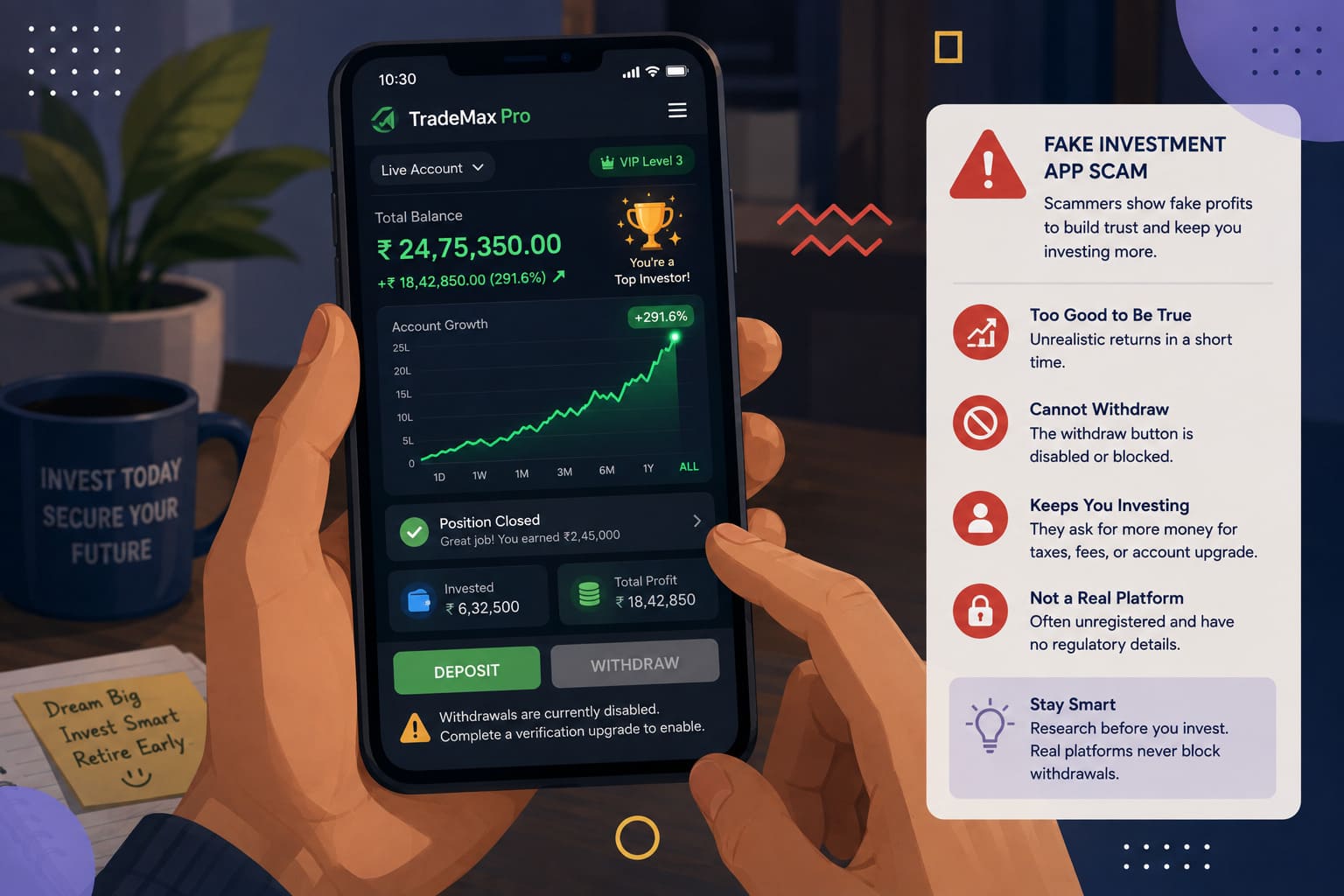
Why Can a Fake Investment App Look Completely Real?
The app shows a rising balance, realistic charts, and a support agent who replies within minutes. Withdrawing, somehow, always needs one more fee first.
Crypto investment scams alone drove 8.6 billion dollars in US losses in 2025, a 52 percent increase on the year before, according to the FBI’s Internet Crime Complaint Center.
None of it requires real trading. The dashboard is a number someone typed in, built to make walking away feel like giving up a sure thing.
Read the full guide: You Didn’t Win — How Lottery, Prize and Investment Scams Work
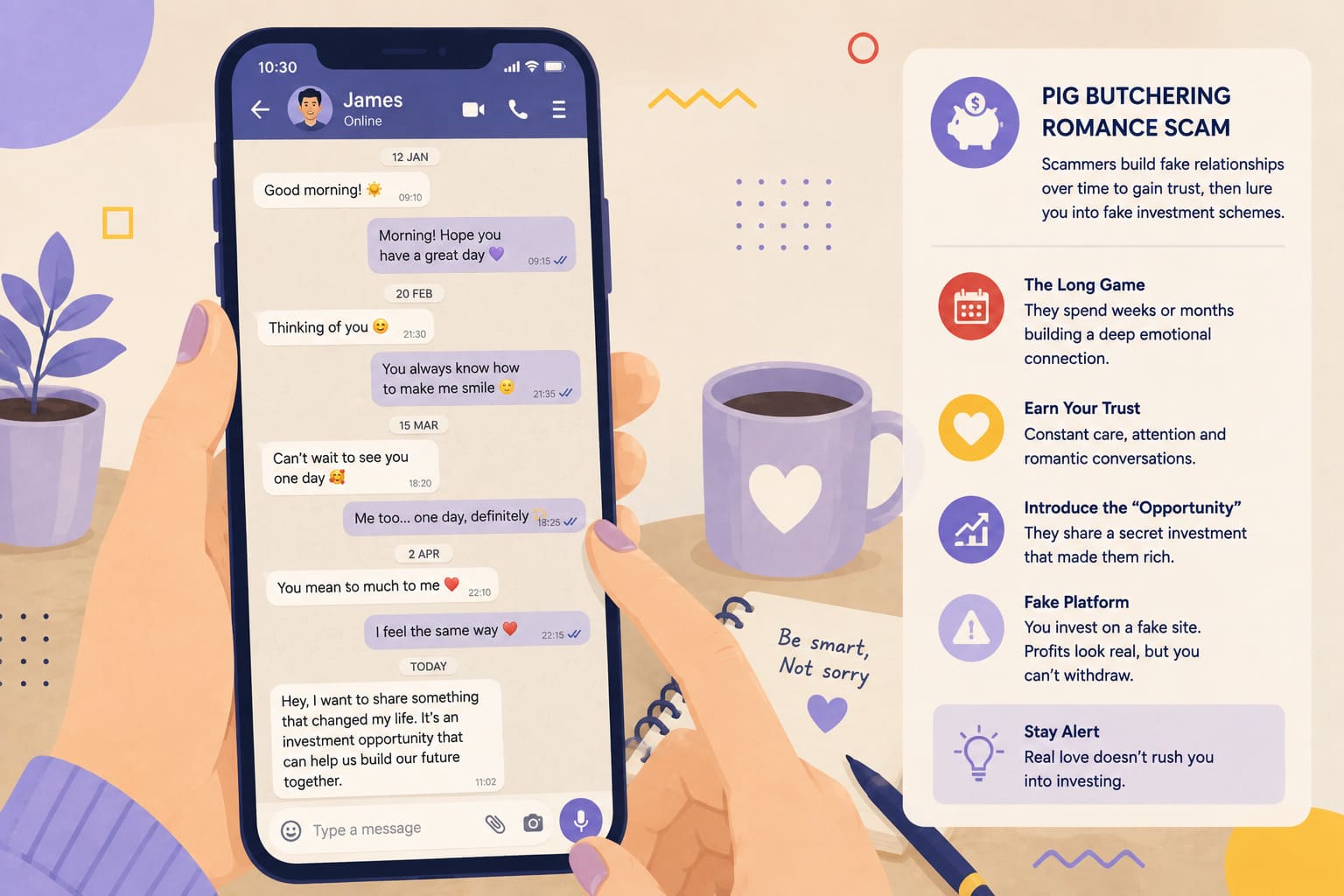
How Does “Pig Butchering” Turn a Relationship Into a Financial Trap?
Weeks of warmth and daily messages come first. The investment opportunity, when it finally appears, feels like a gift shared between two people who trust each other completely.
Napa resident Rajni Goswami lost 300,000 dollars this way after matching with a scammer on OkCupid, later telling ABC7 she kept investing because she felt she had already committed too much to stop.
The relationship exists specifically to enable the financial extraction. Nothing about the affection needs to be real for the extraction to work.
Read the full guide: Pig Butchering and Dating Scams: The Long Con That Costs Thousands
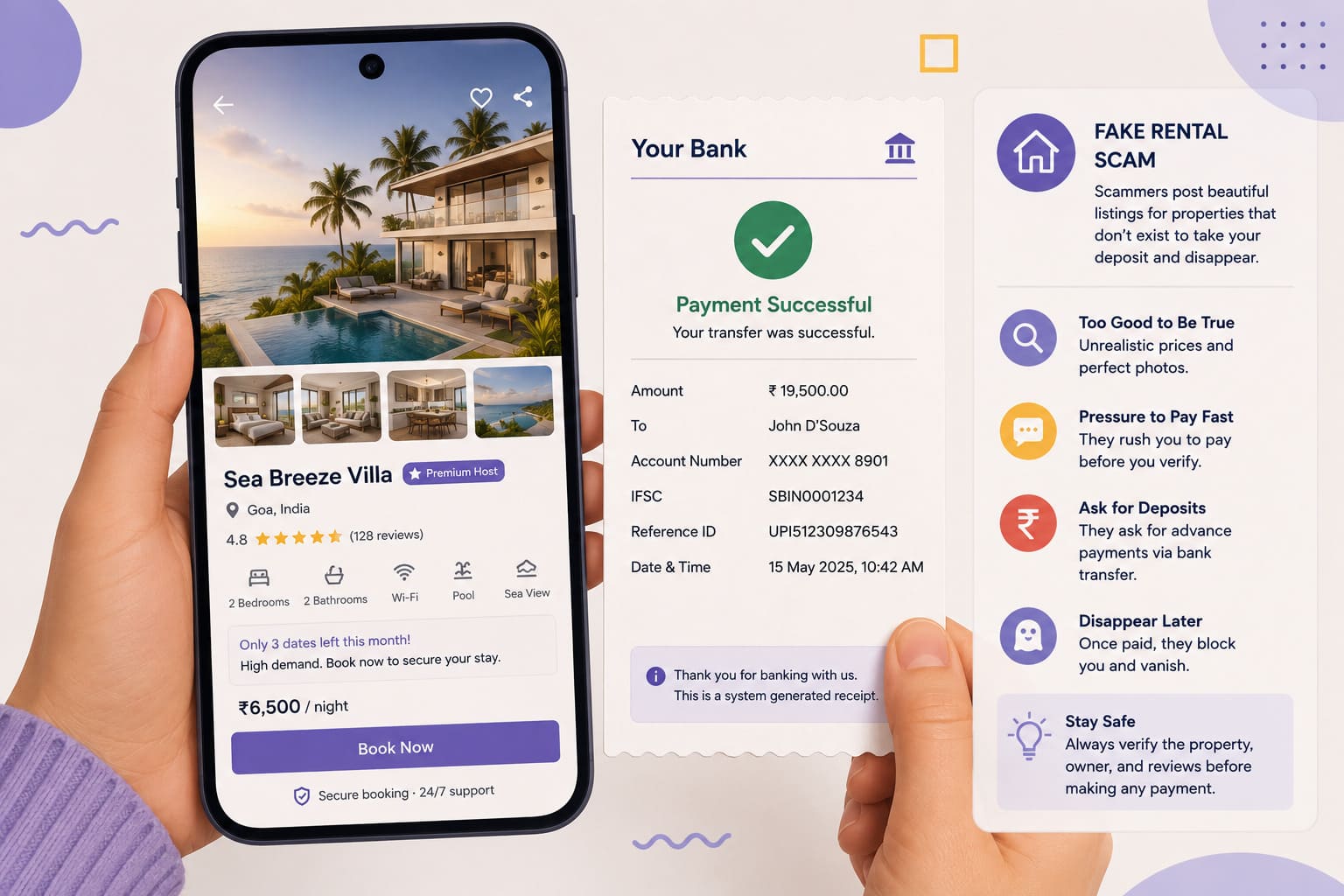
How Do Fake Rental Listings Survive Long Enough to Take Your Deposit?
The photos are genuine, the price is a little too good, and the reviews look real enough not to check twice.
UK consumers lost 12.3 million pounds to holiday and travel fraud in 2024, with fake accommodation listings the most common variant, according to Action Fraud UK.
The listing usually vanishes, along with the deposit, the moment payment moves outside the platform’s own protected system.
Read the full guide: Fake Rentals and Booking Scams: How to Check Before You Pay.
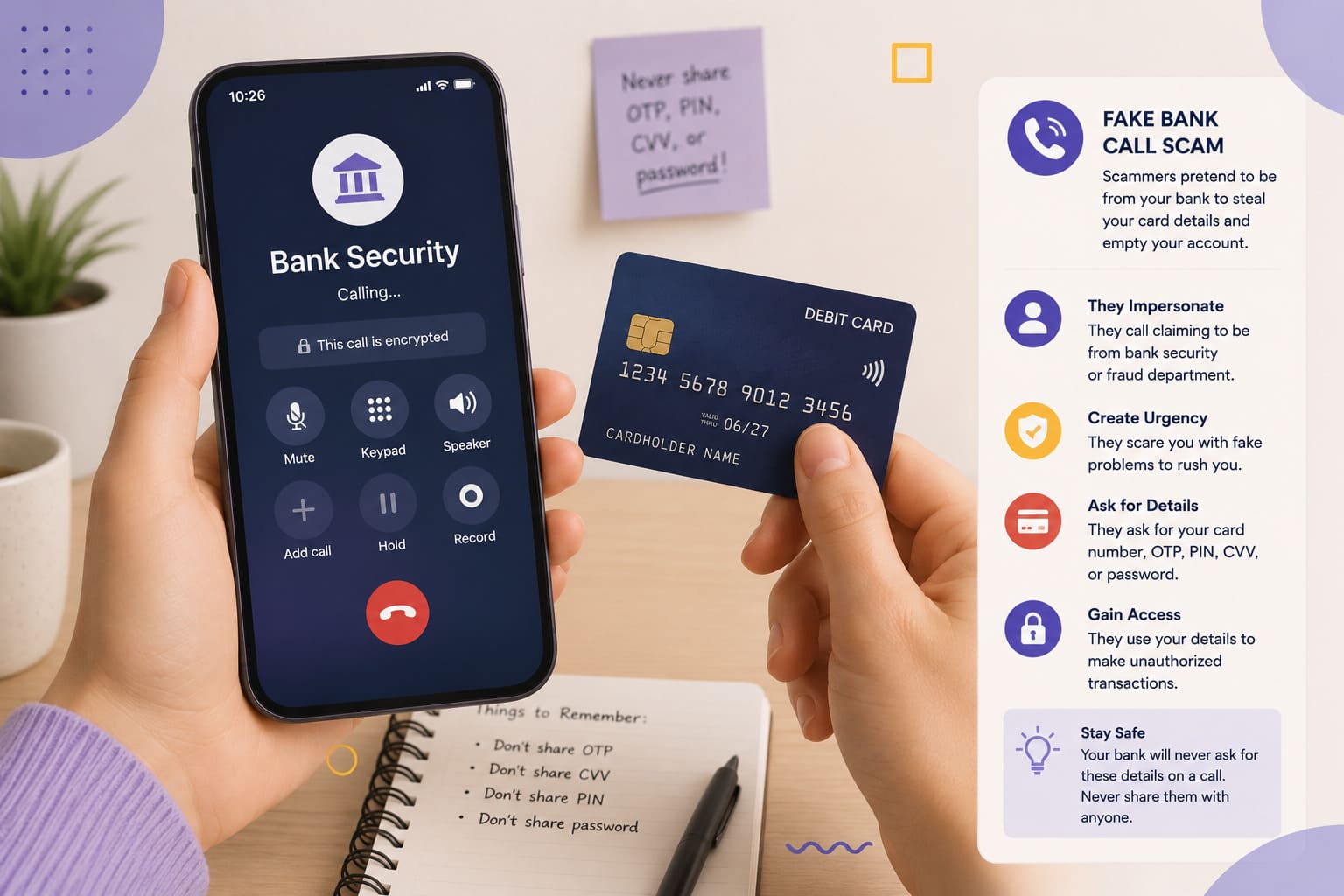
Why Does a Fake Bank Call Sound So Convincing?
The caller already knows your name, the last four digits of your card, and a recent transaction. That alone is often enough to make the rest of the call feel legitimate.
In the UK, authorised push payment fraud, where victims are talked into sending money themselves, became the leading banking scam type, prompting the UK Finance annual fraud report to back a mandatory reimbursement rule from October 2024.
No bank anywhere asks you to confirm your full card number, PIN or password over the phone. If a caller asks, the call is not from your bank.
Read the full guide: Fake Bank Calls: How Account Takeover Scams Work
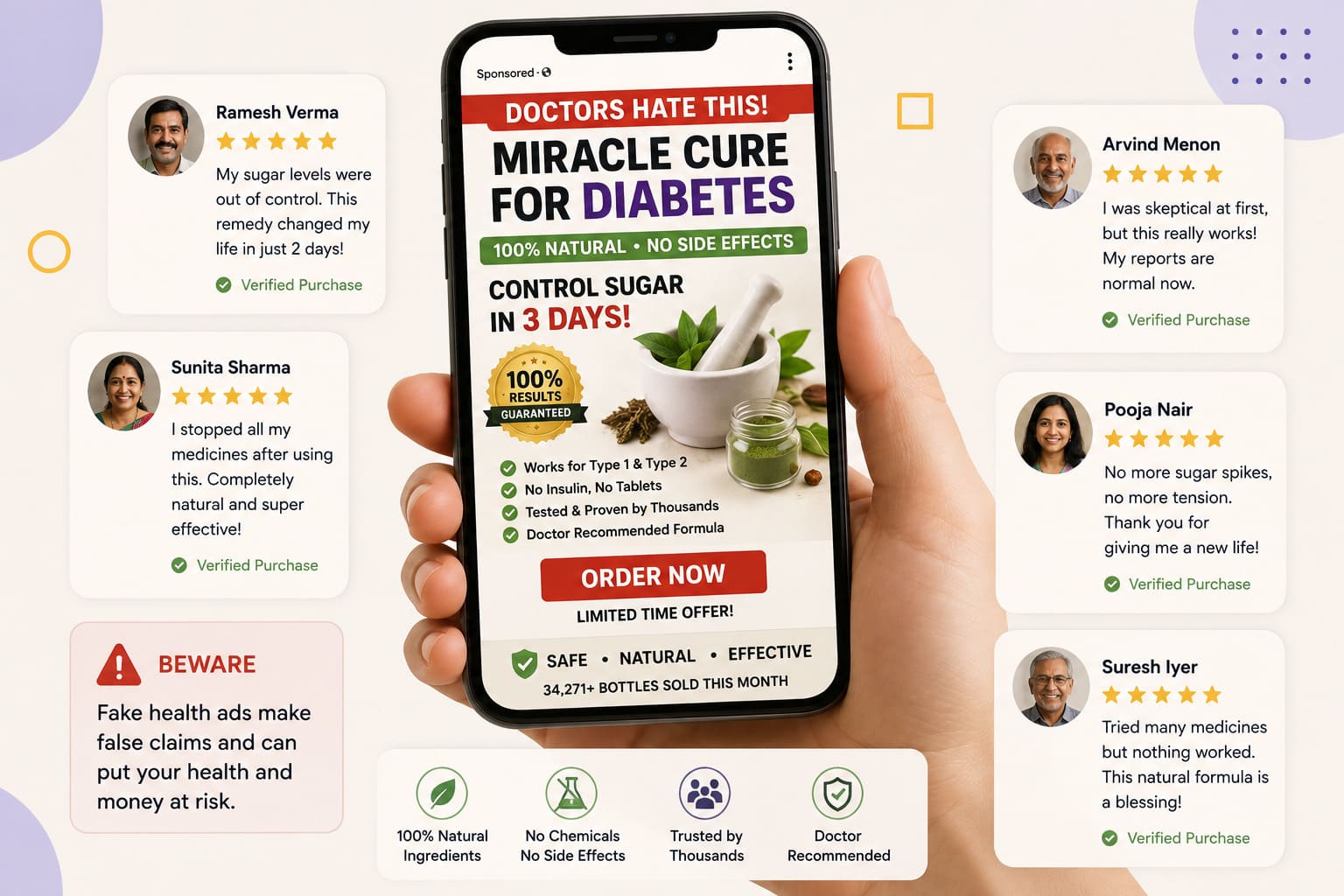
Why Do Fake Health Cures Work Even on Cautious People?
The ad promises to reverse a condition entirely, complete with testimonials and convincing clinical language.
Health and wellness scams cost US consumers over 5 billion dollars annually, with supplement fraud and fake prescription platforms among the fastest-growing categories, according to FTC health claims data.
Health desperation is one of the most reliably exploited emotional states there is, precisely because hope is not a character flaw.
Read the full guide: Fake Health Cures and Medical Scams: What to Watch For.
How Do Fake Charities Appear Within Hours of a Disaster?
A flood, an earthquake, a conflict breaks the news. Within hours, donation appeals flood social media and messaging groups.
Following disasters in 2025, the FTC and FBI issued joint alerts about fake charity websites registered under names nearly identical to real organisations, collecting donations that never reached anyone.
Checking a charity through a tool like Charity Navigator takes thirty seconds and protects both your money and the people the disaster actually affected.
Read the full guide: How to Tell If a Charity Is Real Before You Donate.

Why Do Scholarship Offers That Need No Application Turn Out Fake?
An email arrives: a generous scholarship, no application required, just a processing fee to release it.
Students and young adults reported the highest rate of fraud victimisation by volume in 2025, according to FTC Consumer Sentinel data, even though their individual losses tend to be smaller than older victims.
No legitimate scholarship anywhere asks for payment to claim an award you already won.
Read the full guide: Scholarship Scams and Fake Degrees: How Students Are Targeted.

Why Are You Most at Risk Right After a Major Life Event?
An obituary, a property sale, a divorce filing: all public records, and all a map for someone deciding who to target next.
People who are recently bereaved, divorced or facing a major financial change are three times more likely to be targeted within 90 days of the event, according to AARP Fraud Watch Network research.
A Texas widow lost 140,000 dollars this way, contacted days after her husband’s obituary by someone posing as a financial advisor offering to help manage the estate.
Read the full guide: How Scammers Use Your Life Events to Target You at Your Worst.

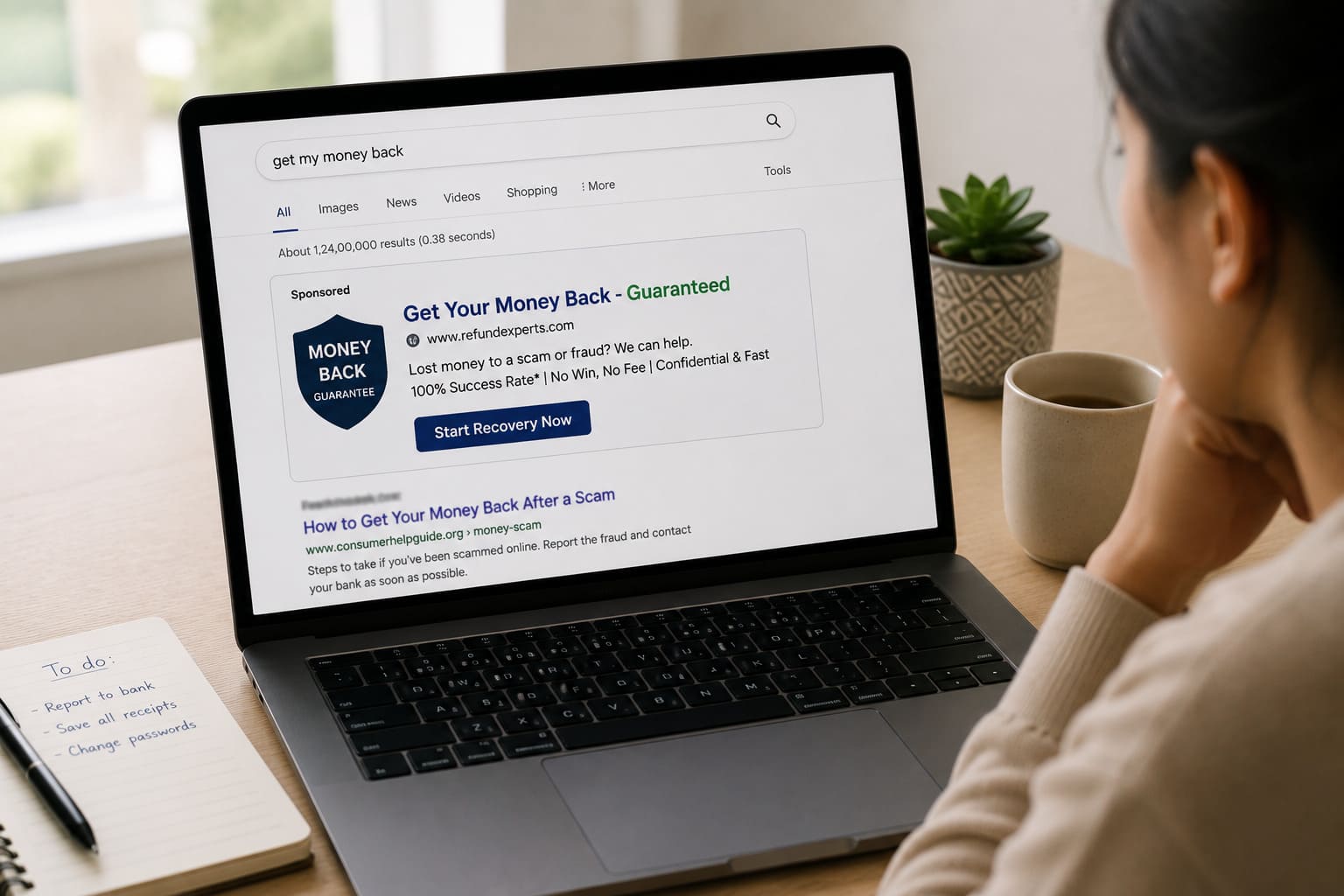
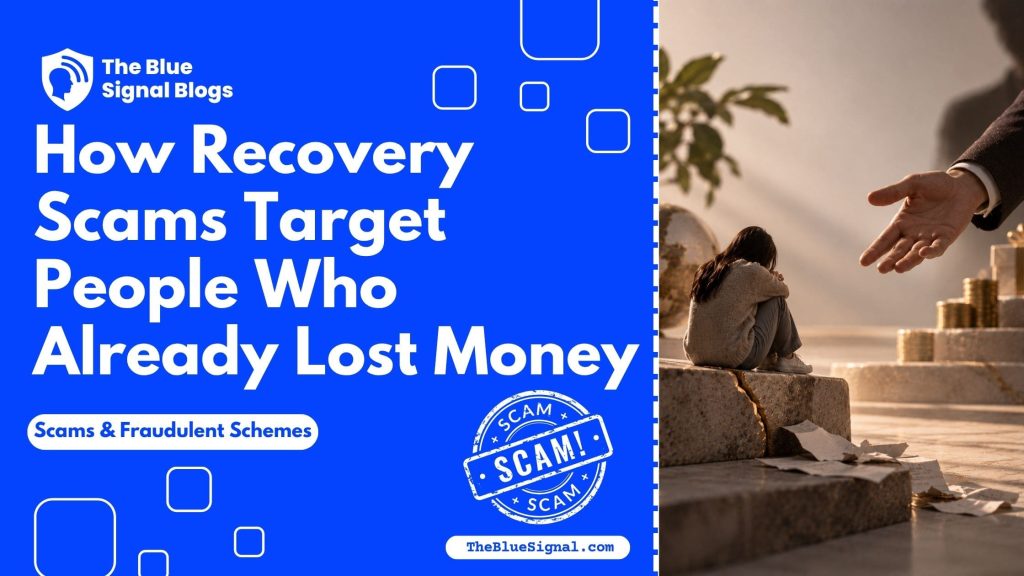
Why Does a Second Scam Often Follow the First One?
Searching for help after losing money to fraud is exactly when a second offer appears: someone promising, for an upfront fee, to get it all back.
31.5 percent of fraud victims in 2025 were targeted a second time within the same year, according to the Identity Theft Resource Center’s Consumer Impact Report.
Legitimate recovery routes never charge an upfront fee before doing anything.
Read the full guide: Scammed Twice: How Recovery Scams Target People Who Already Lost Money.
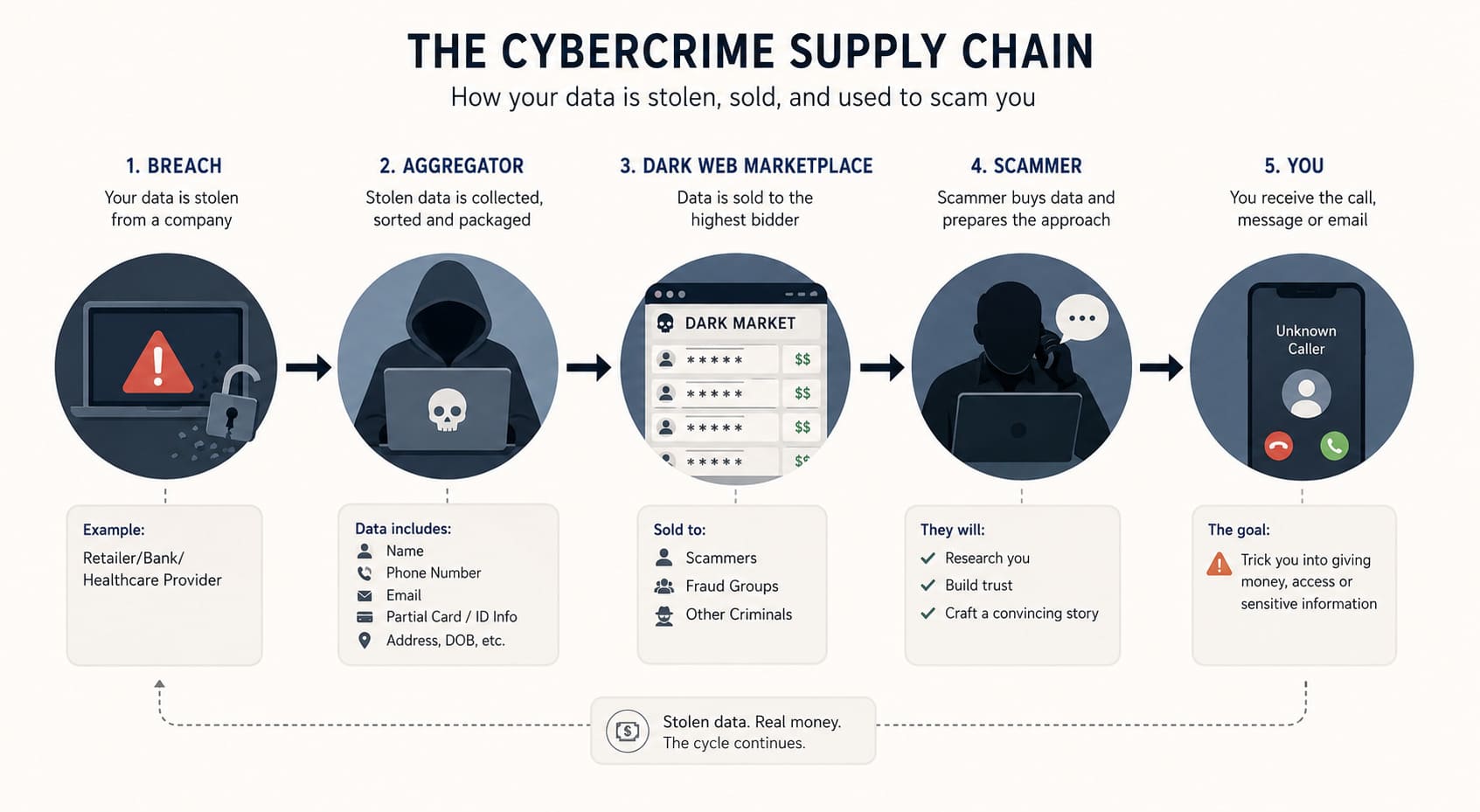
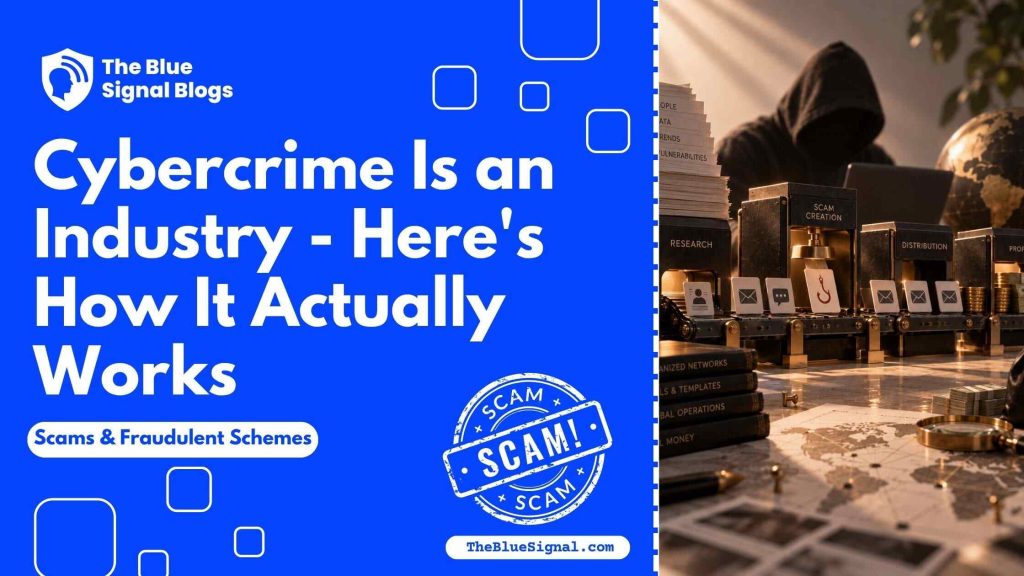
Why Is Cybercrime Better Understood as an Industry Than a Crime?
Behind most scams on this list sits a supply chain: stolen data bought in bulk, scripts tested and refined, and workers running dozens of conversations on a schedule.
Operation RapTor seized 200 million dollars in assets and made 270 arrests across multiple countries in May 2025, targeting exactly these markets, and replacement marketplaces appeared within weeks, according to reporting from Krebs on Security.
You were not targeted because you did something wrong. You were targeted because your data exists somewhere in a system built to supply common online scams at scale.
Read the full guide: Cybercrime Is an Industry — Here’s How It Actually Works.
What Every One of These Scams Comes Down To
Fourteen different common online scams, one repeated lesson: the pressure to act immediately is the warning sign, not a reason to comply.
Every pattern in this guide, from a fake CBI officer to a cloned family voice to a rising number on a fake trading app, depends on you not having time to verify it.
Start with the one action that breaks all fourteen at once: whenever a call, message or offer creates urgency, hang up or close it, and verify independently through a channel the other person does not control.
Save the 1930 helpline and cybercrime.gov.in somewhere you can find them quickly, before you need them rather than after. Reporting fast, within the first few hours, is what actually gives banks and cyber cells a chance to freeze money before it moves again.
If this was useful, share it with someone who needs to know.


12 comments
Comments are closed.